


8 Eco-Friendly Practices from a Waste Management Company
Proper waste disposal is no longer just a legal requirement in South Africa. It is a key part of running a responsible and sustainable business. A waste management company can help businesses manage their waste efficiently while minimising environmental impact. By focusing on eco-friendly disposal practices, companies can conserve resources, reduce pollution, and improve their reputation among clients and employees alike.
Choosing the right waste management company ensures that your business handles waste in a way that complies with South African regulations, such as the National Environmental Management: Waste Act. It also opens up opportunities to implement sustainable practices like recycling, reuse, and energy recovery. Each effort, no matter how small, contributes to a cleaner and greener environment while helping your business become more resource-efficient.
1. Efficient Waste Handling
Efficient waste handling is the first step in any eco-friendly waste management strategy. Proper sorting and management of waste ensures that materials are processed correctly, reduces landfill use, and prevents environmental contamination. A waste management company can help identify which types of waste can be recycled, reused, or require specialised disposal.
With effective planning, businesses can also lower operational costs by streamlining collection and disposal processes. Proper handling at the source ensures hazardous and general waste are separated correctly, reducing safety risks and supporting compliance with South African waste regulations.
- Sorting waste into categories such as recyclables, organic materials, and hazardous items
- Reducing landfill use through efficient waste segregation
- Implementing clear procedures for storage and transportation of all waste types
- Training staff on proper waste handling and safety protocols
- Using innovative systems or equipment to optimise sorting and collection
A waste management company ensures that these practices are implemented efficiently and consistently. This allows businesses to meet sustainability targets while remaining compliant with local laws.
By prioritising efficient waste handling, businesses protect both the environment and public health. It also lays the foundation for further eco-friendly initiatives, such as recycling and energy recovery, making it a crucial step in sustainable waste management.
2. Recycling Initiatives
Recycling is a key pillar of eco-friendly waste management. A waste management company can assist your business in creating systems that capture recyclable materials, ensuring they are reintroduced into the production cycle rather than disposed of in landfills. Recycling helps conserve natural resources and reduces greenhouse gas emissions.
Successful recycling programmes also encourage staff and community participation. By tracking materials and providing clear reporting, companies can measure their environmental impact while qualifying for environmental certifications and improving corporate responsibility credentials.
- Implementing recycling for paper, cardboard, plastics, metals, and glass
- Introducing electronic waste recycling programmes
- Setting up collection points and clear labelling for recyclables
- Tracking and reporting recycling metrics for accountability
- Educating staff on correct recycling practices and policies
Recycling initiatives are more effective when integrated into a wider sustainability strategy. A waste management company ensures that all collected materials are properly processed and reused, maximising environmental and operational benefits.
By embedding recycling initiatives into daily operations, businesses significantly reduce waste volumes while promoting a culture of environmental awareness. This aligns with South African regulations and global best practices for sustainable waste management.
3. Sustainable Hazardous Waste Disposal
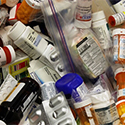
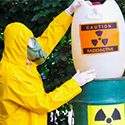
Hazardous waste requires careful attention to prevent environmental contamination and protect human health. A waste management company ensures that chemical, medical, and electronic waste is treated according to South African standards, such as the Hazardous Substances Act. Proper disposal safeguards ecosystems, water sources, and communities.
Handling hazardous waste responsibly also helps businesses avoid fines, legal issues, and reputational risks. Implementing sustainable hazardous waste practices demonstrates commitment to environmental stewardship and corporate responsibility.
- Separating hazardous waste from general waste streams
- Ensuring chemical, medical, and e-waste is treated safely
- Adhering to South African legislation and municipal regulations
- Using specialised disposal methods like sterilisation, incineration, or chemical neutralisation
- Documenting disposal procedures for accountability and compliance
Sustainable hazardous waste disposal reduces environmental and health risks while supporting operational efficiency. Businesses benefit from safer workplaces and compliance with local regulations.
By investing in proper hazardous waste management, businesses can minimise their ecological footprint and contribute positively to their communities. A waste management company guides and supports organisations in achieving these outcomes sustainably.
4. Compliance With South African Regulations
Compliance is central to responsible waste management. Waste management companies ensure that your business adheres to national laws like the National Environmental Management: Waste Act, as well as local municipal regulations. These include proper storage, transportation, and disposal of all types of waste, reducing the risk of legal penalties and environmental harm.
Beyond compliance, a waste management company can provide guidance on best practices for reporting and monitoring waste streams. This proactive approach allows businesses to anticipate regulatory changes, implement improvements efficiently, and demonstrate accountability to stakeholders. Compliance combined with sustainability practices ensures a business remains both responsible and forward-thinking.
5. Waste-to-Energy Solutions
Converting waste into energy is an effective strategy to reduce landfill use while generating renewable energy. Waste management companies can help businesses implement processes like anaerobic digestion or controlled combustion to transform organic waste into electricity, heat, or biogas.
These technologies reduce reliance on conventional energy sources and support broader sustainability goals. By recovering energy from waste, businesses also reduce greenhouse gas emissions and make their operations more efficient.
- Treating organic waste to produce biogas or renewable energy
- Using controlled combustion to convert waste into heat or electricity
- Reducing landfill volumes through energy recovery
- Implementing monitoring systems to ensure efficiency and compliance
- Incorporating energy recovery metrics into sustainability reporting
Waste-to-energy solutions offer tangible environmental benefits while aligning with South African energy and waste regulations. Businesses that adopt these solutions can showcase innovation in sustainability.
Integrating waste-to-energy strategies with other eco-friendly initiatives enhances the overall impact of a waste management company’s services. It helps companies lower costs, reduce emissions, and achieve meaningful environmental goals.
6. Promoting Circular Economy Practices
A circular economy approach treats waste as a resource rather than a problem. Waste management companies can help businesses implement systems that reduce, reuse, and recycle materials effectively. This includes recovering valuable materials from industrial or office waste, integrating composting programmes, and redesigning processes to minimise waste generation.
By adopting circular economy practices, businesses not only conserve natural resources but also reduce operational costs over time. A waste management company can provide the expertise to identify opportunities for reuse, energy recovery, and sustainable material sourcing. These strategies foster long-term environmental and economic benefits for companies committed to sustainability.
7. Zero Waste Initiatives
Zero waste initiatives aim to minimise waste generation by reducing, reusing, and recycling materials wherever possible. A waste management company can guide businesses in setting practical zero waste targets and developing programmes to meet them.
This approach fosters a culture of sustainability within the organisation. Employees become more aware of consumption habits, while the business benefits from lower disposal costs and improved environmental performance.
- Conducting waste audits to identify reduction opportunities
- Redesigning processes and packaging to minimise waste
- Encouraging reuse and repair of materials
- Implementing comprehensive recycling and composting systems
- Setting measurable zero waste targets and tracking progress
Zero waste initiatives make sustainability a core part of business operations. A waste management company ensures that zero waste strategies are practical, achievable, and compliant with South African waste regulations.
By focusing on eliminating waste at the source, businesses reduce environmental impact while increasing operational efficiency. Zero waste practices complement recycling, energy recovery, and hazardous waste management for a holistic sustainability strategy.
8. Technology in Waste Management
Technology plays an increasingly important role in modern waste management. Waste management companies use tools such as automated sorting systems, smart sensors for bins, and data analytics to optimise collection routes and recycling efficiency. These innovations reduce contamination, improve resource recovery, and decrease operational costs.
Advanced waste management technology also helps businesses measure their environmental impact accurately. By tracking waste volumes, types, and recycling rates, companies can identify areas for improvement and demonstrate accountability. A waste management company can integrate these technologies seamlessly, making eco-friendly practices practical and effective for your business.
Which Providers Offer Eco-Friendly Medical Waste Disposal Solutions?
At A-Thermal, we are proud to offer eco-friendly medical waste disposal solutions for the healthcare sector. We provide safe and environmentally responsible options for managing medical and biohazardous waste streams, including anatomical waste, infectious and sharps waste, gloves, masks, and isolation waste. By combining high-temperature burn technology with non-burn autoclave treatments, we ensure that waste is fully neutralised or sterilised before disposal, reducing the environmental impact while maintaining strict compliance with South African health regulations.
Our focus on eco-friendly practices means we treat medical waste responsibly at every stage. We ensure that sterilised waste is shredded to prevent recognisable material from entering the environment, while carefully controlling emissions and minimising energy use. By choosing A-Thermal, healthcare providers can work with a waste management company that prioritises sustainability without compromising safety, helping contribute to a cleaner, greener South Africa.
A-Thermal: Medical Waste Disposal Specialists
Partnering with a waste management company is essential for businesses seeking to implement eco-friendly practices while complying with South African regulations. From efficient waste handling and recycling to zero waste initiatives, waste-to-energy solutions, and medical waste management, there are numerous strategies to reduce environmental impact and promote sustainability. Choosing the right partner ensures your business remains responsible, efficient, and forward-thinking.
At A-Thermal, we are committed to helping businesses across South Africa adopt sustainable waste management practices. By working with us, your company can implement tailored recycling, disposal, and energy recovery solutions that make a tangible difference. Get in touch with our team today, and let’s create a cleaner, greener future together.
FAQs
Eco-friendly medical waste disposal refers to the safe treatment and disposal of healthcare risk waste in a way that minimises environmental impact. This includes reducing emissions, preventing pollution, and ensuring waste is treated so it no longer poses a risk to people or the environment. A responsible waste management company focuses on methods that neutralise or sterilise waste before final disposal, rather than simply sending it to landfill.
A waste management company manages medical waste sustainably by using approved treatment methods that render waste non-hazardous before disposal. These methods may include high-temperature treatment or non-burn technologies that sterilise waste, reducing environmental harm while maintaining safety standards.
Eco-friendly medical waste disposal is essential in South Africa due to the potential risks medical waste poses to public health, water sources, and ecosystems. Improper disposal can lead to environmental contamination and serious health hazards. A compliant waste management company helps healthcare providers meet national legislation such as the National Environmental Management: Waste Act.
Medical waste that requires specialised eco-friendly treatment includes infectious waste, sharps, anatomical waste, isolation waste, and contaminated personal protective equipment such as gloves and masks. These waste streams must be treated to eliminate health risks before disposal.
Yes, eco-friendly medical waste disposal is designed to meet both safety and compliance standards. Sustainable treatment methods are carefully regulated and tested to ensure waste is fully neutralised or sterilised before disposal. A reputable waste management company follows strict procedures and maintains accurate records to demonstrate compliance.