


What Is Medical Waste and Why Proper Disposal Matters
Medical waste is an unavoidable part of healthcare, yet it is one of the most misunderstood waste streams. For any waste management company in South Africa, medical waste requires far more care, control and regulation than ordinary refuse. From hospitals and laboratories to clinics and nursing homes, medical facilities generate a wide range of waste types every day, some harmless and some potentially dangerous. Understanding what medical waste really is and how it should be handled is essential for protecting healthcare workers, the public and the environment.
Unlike domestic rubbish, medical waste can carry infectious material, harmful chemicals and even radioactive substances. South African law places strict responsibilities on healthcare facilities to manage this waste in a safe and compliant way. When handled correctly, risks such as disease transmission, environmental contamination and workplace injury are greatly reduced. Medical waste becomes most dangerous not when it is created, but when it is incorrectly handled, mixed with general refuse or treated using the wrong method.
Understanding What Medical Waste Really Is
Medical waste refers to any waste generated during medical research, diagnosis, treatment or care of humans or animals that may pose a health or environmental risk. This includes items contaminated with blood, bodily fluids, chemicals or pharmaceuticals. The challenge many healthcare facilities face is correctly identifying which materials qualify as regulated medical waste and which fall under general waste.
When medical waste is misclassified, it increases the risk of infection, environmental pollution and legal non-compliance. Correct identification ensures that waste follows the right storage, transport and treatment pathways from the moment it is generated.
- Waste produced during diagnosis, treatment or immunisation
- Materials contaminated with blood or bodily fluids
- Discarded sharps such as needles and scalpels
- Laboratory cultures and test specimens
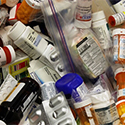
- Expired or unused medicines
South African law requires healthcare facilities to correctly classify waste from the moment it is produced. This helps prevent unnecessary exposure and ensures that hazardous materials receive appropriate treatment. Proper understanding of what constitutes medical waste also supports effective training and internal compliance programmes.
When healthcare workers are confident in identifying medical waste, segregation improves, risks decrease and collection systems operate more efficiently. This foundational knowledge directly impacts the safety of everyone involved in the healthcare and waste management chain.
Where Medical Waste Comes From
Medical waste is produced across a wide range of healthcare and related facilities. Hospitals, clinics, dental practices, veterinary practices, laboratories, nursing homes and mortuaries all generate medical waste during routine operations. Even home healthcare and mobile medical services contribute to this waste stream. Each of these environments has its own risks, which is why a certified waste management company in South Africa must be prepared to handle multiple waste types safely.
Because medical activities involve exposure to blood, chemicals, medicines and biological material, waste is generated at nearly every stage of care. Diagnostic testing, surgical procedures, vaccinations, patient treatment and pharmaceutical storage all contribute to the volume and variety of medical waste. Proper collection and timed removal are vital to prevent build-up and contamination within healthcare facilities.
Key Categories of Medical Waste
Medical waste is not one single type of waste. It is divided into specific categories based on risk level and composition. These classifications help guide safe handling and determine which treatment methods must be applied to protect both human health and the environment.
Each category presents different hazards. Some pose an infection risk, others contain toxic substances, while some require specialised destruction due to long-term environmental impact.
- Infectious waste
- Pathological or anatomical waste
- Pharmaceutical waste
- Chemical waste
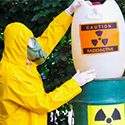
- Radioactive waste
- Cytotoxic waste
- General non-hazardous healthcare waste
Infectious waste includes items contaminated with blood or body fluids such as swabs, bandages, gloves and laboratory cultures. Pathological waste covers tissues, organs and body parts removed during surgery or post-mortem procedures. Pharmaceutical waste includes expired or unused medicines, while chemical waste may involve disinfectants, solvents and mercury-containing equipment.
Radioactive and cytotoxic wastes are highly specialised and require strict control due to their long-term health risks. A professional waste management company in South Africa must be licensed and equipped to treat each of these waste categories according to legislative standards.
Health and Environmental Risks of Improper Disposal
Improper medical waste disposal has direct and often severe consequences. These risks extend beyond healthcare facilities themselves and into surrounding communities and ecosystems. The consequences affect human health, water safety, soil quality and air pollution.
Failure to control medical waste can also result in legal penalties, reputational damage and operational shutdowns for healthcare facilities.
- Transmission of infectious diseases
- Needle-stick injuries and sharps exposure
- Chemical poisoning and pharmaceutical contamination
- Air pollution from uncontrolled burning
- Soil and groundwater contamination
Infectious waste can spread diseases such as hepatitis and HIV to healthcare workers, waste handlers and the public. Sharps injuries remain one of the most common workplace hazards in healthcare environments. Exposure to toxic chemicals and pharmaceuticals can cause both immediate illness and long-term health conditions.
Environmental damage occurs when untreated waste enters landfill sites or water systems. Poorly managed burning releases harmful pollutants into the air. South African regulations are designed to prevent these outcomes, but full compliance depends on strict adherence to proper waste handling procedures.
Safe Treatment and Disposal Methods
There are two primary approaches to medical waste treatment in South Africa. These are high-temperature incineration and non-burn technologies such as autoclaving. Incineration is commonly used for anatomical, pharmaceutical and highly infectious waste. It destroys pathogens and reduces waste volume, leaving behind inert ash that can be safely disposed of.
Autoclaving uses pressurised steam to sterilise infectious waste such as sharps, gloves, masks and laboratory materials. Once sterilised, the waste is shredded and can be handled as general waste. Choosing the correct method depends on the waste category and legal requirements. A compliant waste management company in South Africa ensures that each waste stream follows the correct treatment route.
The Importance of Segregation at Source
Segregation means separating different waste types at the point where they are generated. This is one of the most important principles in medical waste management. When staff place waste into the correct containers immediately, the risk of cross-contamination drops significantly. It also protects cleaning staff, waste handlers and external transport workers.
South African regulations require healthcare facilities to use clearly marked, colour-coded containers for different waste streams. Sharps must go into puncture-resistant containers, infectious waste into biohazard bags, and pharmaceutical waste into designated bins. A responsible waste management company in South Africa relies on proper segregation to ensure safe, efficient and compliant treatment downstream.
Medical Plastics and Environmental Responsibility
Single-use plastic is essential in healthcare for infection control and patient protection. Items like syringes, IV sets, PPE, test kits and specimen containers prevent cross-contamination and safeguard both staff and patients. However, these same plastics contribute significantly to medical waste volumes.
Because many of these plastics are contaminated, they cannot simply be recycled like standard plastic waste. This creates a major environmental challenge for healthcare systems.
- Gloves and protective equipment
- Syringes and needles
- IV tubing and fluid bags
- Sample containers and test kits
- Single-use instrument packaging
Incineration of contaminated plastic can release harmful emissions if not properly controlled, while landfill disposal contributes to long-term environmental pollution. This is why responsible treatment methods and emission controls are essential parts of medical waste management.
Through careful segregation, advanced treatment technologies and proper disposal pathways, healthcare facilities and waste management companies in South Africa can reduce the environmental impact of medical plastics while maintaining strict infection control standards.
Regulatory Compliance in South Africa
Medical waste in South Africa is governed by the National Environmental Management: Waste Act and the Health Care Waste Management Regulations. These laws cover every stage of the waste process, including generation, classification, storage, transport, treatment and final disposal. Facilities must also keep detailed records to ensure full traceability of hazardous waste.
Non-compliance can result in severe penalties and reputational damage. More importantly, it places human health and the environment at risk. For this reason, working with a certified waste management company in South Africa is essential for healthcare facilities that want to remain compliant and protect their staff and patients.
Why Medical Waste Management Is a Core Healthcare Responsibility
Medical waste management is not just a support function. It is a core part of responsible healthcare delivery. When waste is handled correctly, it reduces infections, prevents workplace injuries and protects surrounding communities. It also ensures that healthcare facilities meet their legal and ethical obligations.
Poor waste management, on the other hand, undermines patient safety, staff wellbeing and environmental protection. It can also disrupt healthcare operations through inspections, fines and shutdowns. This is why medical waste management must be treated with the same level of importance as clinical care itself, supported by a trusted waste management company in South Africa.
What Healthcare Facilities Can Do to Improve Waste Practices
Healthcare facilities play a direct role in improving medical waste outcomes. Strong internal systems form the foundation of safe waste management. When roles are clearly defined and procedures are visible, compliance becomes easier and more consistent.
Improvement starts with awareness and continues through accountability and training.
- Provide ongoing staff training
- Enforce correct waste segregation
- Conduct regular waste audits
- Ensure secure on-site waste storage
- Maintain accurate waste documentation
Staff training ensures that everyone understands waste categories, colour coding and container use. Waste audits help identify problem areas before they become serious compliance issues. Secure storage prevents unauthorised access and accidental exposure.
Clear records ensure legal traceability and regulatory compliance. When these measures work together, healthcare facilities significantly reduce operational risk and strengthen overall waste safety performance.
Which Providers Offer Customised Medical Waste Disposal Plans for Small Clinics?
We provide customised medical waste disposal plans for small clinics that need safe, compliant and practical solutions without the scale of large hospital operations. Small clinics still generate healthcare risk waste such as infectious waste, sharps, gloves, masks and isolation waste, and all of it must be handled in line with South African legislation. Our approach allows clinics to manage these waste streams responsibly, with treatment options matched to the specific types of waste they generate and the volume they produce.
We offer both burn and non-burn medical waste treatment methods to support small clinics with different disposal needs. Burn technology allows waste to be fully oxidised at high temperature and reduced to inert ash, while our non-burn autoclave technology provides a more environmentally friendly option for most waste streams except anatomical waste. After sterilisation, healthcare risk waste is shredded as required by local legislation so that it is no longer recognisable. By offering these treatment methods in a structured and compliant way, we help small clinics manage medical waste safely, legally and with confidence.
A-Thermal: Experts at Medical Waste Disposal
Medical waste is far more complex than ordinary rubbish. It includes infectious materials, pharmaceuticals, chemicals, plastics and even radioactive substances. For any waste management company in South Africa, safe medical waste handling requires knowledge, compliance and strict process control. When managed properly, medical waste disposal protects healthcare workers, patients, communities and the environment.
We also know that healthcare facilities cannot manage this responsibility alone. Proper segregation, staff education, compliant treatment methods and full legal alignment are all essential. This is why we encourage facilities to take medical waste management seriously and treat it as an integral part of healthcare quality and safety. As a waste management company in South Africa, we work closely with healthcare providers to ensure responsible disposal, regulatory compliance and long-term environmental protection. If you are ready to strengthen your facility’s medical waste practices, we invite you to get in touch with A-Thermal today. Together, we can build safer, cleaner and more sustainable healthcare environments across South Africa.