
Understanding Medical Waste and Its Safe Disposal
Medical waste is an inevitable by-product of healthcare. From hospitals to laboratories, every healthcare facility generates waste that can range from general, non-hazardous materials to highly infectious or chemical substances. Understanding what medical waste is and how it should be handled is essential for protecting public health and the environment. In South Africa, waste management in South Africa is governed by a range of laws and regulations, making compliance not just a legal responsibility but a moral one.
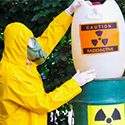
Not all medical waste is dangerous. About 85% of the waste generated in healthcare facilities is comparable to domestic waste, such as packaging, paper, and food scraps. However, the remaining 15% can be infectious, toxic, or radioactive, and improper disposal can cause serious harm. This makes safe collection, treatment, and disposal practices central to waste management in South Africa and the protection of both healthcare workers and the public.
Globally, medical waste management faces challenges like needle-stick injuries, exposure to pharmaceuticals, and environmental contamination. By understanding proper procedures, South African healthcare providers can significantly improve waste management in South Africa, ensuring that hazardous waste does not threaten communities or ecosystems.
What is Medical Waste?
Medical waste covers a broad spectrum of materials. Common items include used syringes, needles, intravenous sets, PPE, urine bags, laboratory cultures, and pathological waste. These items are often contaminated with blood or other body fluids and cannot be reused. In liquid or solid form, such waste can pose a risk of infection if not treated properly.
Hospitals, laboratories, mortuaries, and nursing homes are the main sources of medical waste. In South Africa, the Health Care Waste Management Regulations under the National Environmental Management: Waste Act require healthcare facilities to classify, segregate, and handle waste according to its risk level. Following these regulations is a cornerstone of waste management in South Africa.
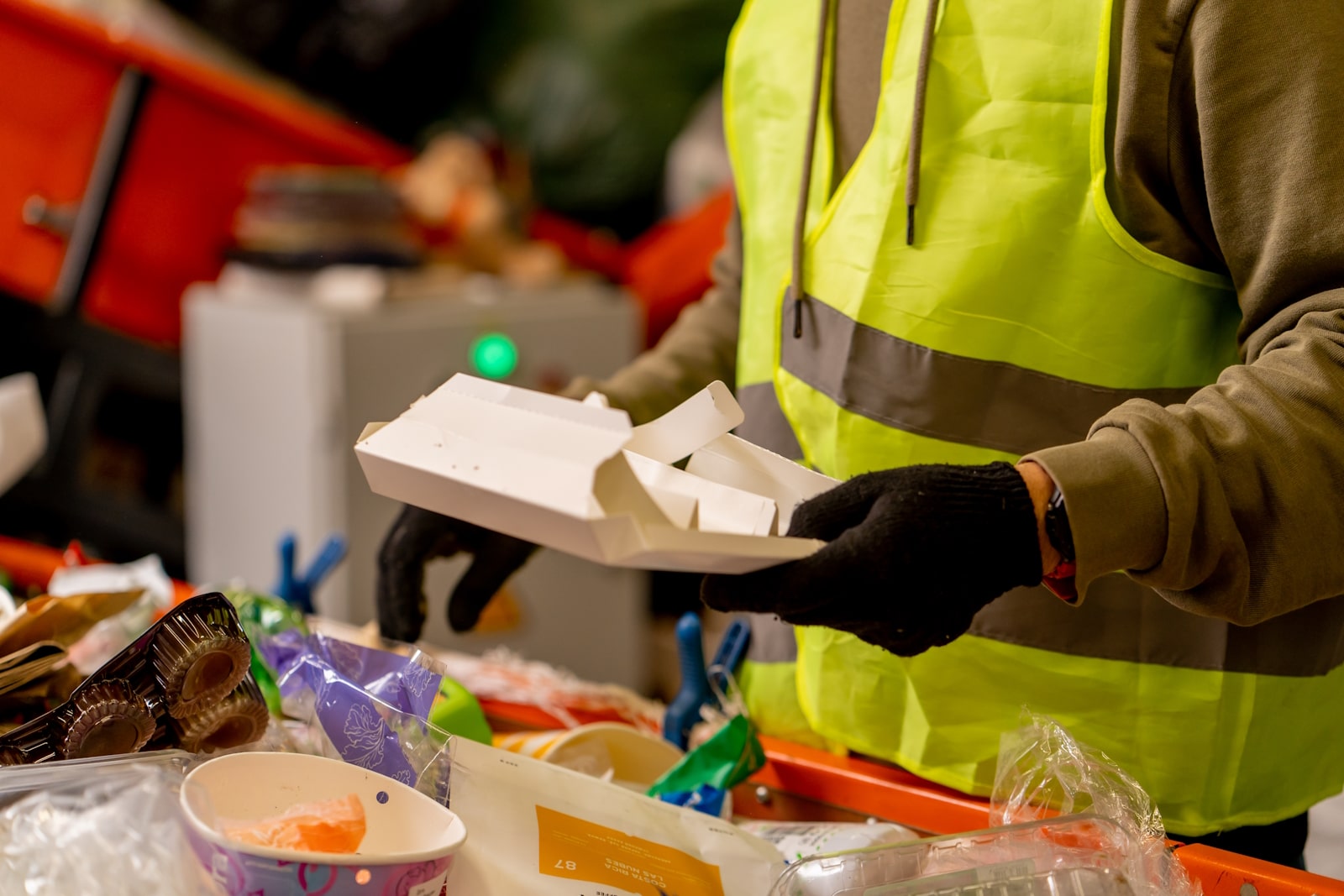
Proper understanding of what constitutes medical waste is the first step in safe disposal. By recognising the different types, including infectious, pathological, chemical, pharmaceutical, and radioactive waste, healthcare staff can make informed decisions about collection, storage, and treatment. Effective segregation improves overall waste management in South Africa by reducing environmental contamination and protecting workers, patients, and the public from potential harm.
The Risks of Improper Disposal
Medical waste can present serious health risks. Infectious materials can cause disease outbreaks if they come into contact with patients, healthcare workers, or the public. Sharps injuries, exposure to toxic pharmaceuticals, and contaminated surgical tools are common hazards that require strict handling procedures.
Environmental risks are also significant. Untreated or improperly disposed waste can contaminate land and water. Dumping infectious or chemical waste in landfills without proper precautions can pollute groundwater and surface water, affecting communities and wildlife. Inadequate incineration may release dioxins, furans, and toxic metals into the air, further highlighting the need for responsible waste management in South Africa.
South African legislation is designed to mitigate these risks. Healthcare facilities are required to follow strict segregation, treatment, and disposal protocols. Adhering to these laws ensures that waste management in South Africa not only protects human health but also supports environmental sustainability and public confidence in healthcare systems.
Safe Disposal Methods
There are several methods for treating and disposing of medical waste. Incineration is the most widely recognised method for infectious and hazardous waste. High-temperature combustion destroys pathogens and reduces the volume of waste, leaving behind a small amount of inert ash. Properly operated incinerators include gas-cleaning systems to prevent the release of harmful pollutants.
Non-burn treatment options are increasingly popular. Autoclaving uses high-pressure steam to sterilise waste, making it safe for disposal. The waste is then shredded to prevent recognition and ensure safe handling. This method is particularly effective for infectious materials, sharps, gloves, masks, and isolation waste, though anatomical waste usually requires incineration.
Segregation at the source is essential for effective treatment. In South Africa, facilities must separate general waste from hazardous streams before treatment. Proper segregation ensures efficient waste management in South Africa, reduces the risk of cross-contamination, and supports environmentally friendly disposal methods.
Medical Plastics and Sustainability
Plastics play a vital role in modern healthcare, particularly single-use items. Syringes, IV sets, PPE, and packaging help prevent infections, but they also generate significant waste. Most medical plastics are treated as infectious, limiting disposal options and often leading to incineration.
Incinerating plastics can release harmful chemicals and gases, while landfill disposal can pollute soil and water. Recycling medical plastics safely reduces the environmental impact and strengthens waste management in South Africa. Plastics can be processed into feedstock for new products or fuels, contributing to a circular economy within the healthcare sector.
Sustainable practices also include designing medical devices for easier recycling, using single-layer plastics where possible, and training staff to segregate, sterilise, and recycle properly. These measures support more efficient waste management in South Africa while protecting future generations from plastic pollution.
Expertise and Services of A-Thermal
A-Thermal provides expert solutions for medical waste treatment across South Africa. Their services focus on both burn and non-burn technologies, ensuring safe disposal while reducing environmental impact. Burn technology involves heating waste to 850°C in a kiln, oxidising it to inert ash with flue gases scrubbed to prevent pollution. Non-burn autoclave treatment uses high-pressure steam to sterilise infectious waste, followed by shredding to ensure safe handling.
A-Thermal treats a wide range of waste streams including anatomical waste, infectious and sharps waste, gloves, masks, and isolation waste. Their operations comply fully with local and national legislation, including South African environmental regulations. Certifications such as ISO 9001, ISO 14001, and ISO 45001 ensure that facilities can trust A-Thermal for reliable waste management in South Africa.
By combining regulatory compliance, environmental responsibility, and operational expertise, A-Thermal enables healthcare facilities to focus on patient care while leaving waste management in South Africa in safe hands. Their services ensure compliance, reduce risk, and support long-term sustainability for healthcare operations.
Regulations and Compliance in South Africa
Waste management in South Africa is governed by the National Environmental Management: Waste Act and the Health Care Waste Management Regulations. Facilities must classify, segregate, transport, treat, and dispose of medical waste in compliance with these laws. This includes infectious, anatomical, pharmaceutical, chemical, and radioactive waste.
Proper documentation and record-keeping are essential. Tracking medical waste from generation to final disposal is a legal requirement and ensures that waste management in South Africa maintains high safety standards. Compliance prevents penalties and helps protect public health.
Training and staff awareness are critical components. Healthcare workers must understand proper segregation, treatment, and disposal techniques. Educated staff help facilities implement effective waste management in South Africa, safeguarding patients, workers, and the environment from preventable risks.
Take Action Today
Medical waste management is a critical part of healthcare operations. From segregation at the point of generation to safe disposal via incineration or autoclaving, every step contributes to public health and environmental protection. Plastics, sharps, infectious materials, and anatomical waste all require careful handling in line with South African laws and regulations.
At A-Thermal, we provide comprehensive solutions for waste management in South Africa. Our expertise in both burn and non-burn technologies ensures that healthcare facilities can safely and sustainably dispose of all types of medical waste. We help facilities comply with legislation, reduce environmental impact, and protect staff and communities.
If you want to ensure your healthcare facility handles waste responsibly and efficiently, get in touch with us today.