

The Role of Thermal Treatment in Zero Waste Goals
As the global population grows, so does the amount of waste we produce. For both businesses and households, working with a reliable waste management company is essential to handle, process, and dispose of waste responsibly. Thermal treatment has emerged as a powerful solution for managing materials that cannot be recycled, reused, or safely landfilled. Understanding its role is crucial for moving towards zero waste goals and a cleaner, more sustainable future.
Thermal treatment not only reduces the volume of waste but also neutralises hazardous compounds, transforming them into safe by-products or usable energy. By integrating these processes into a wider waste management strategy, communities and companies can reduce landfill use, minimise pollution, and create value from previously unusable materials.
Understanding Zero Waste Goals
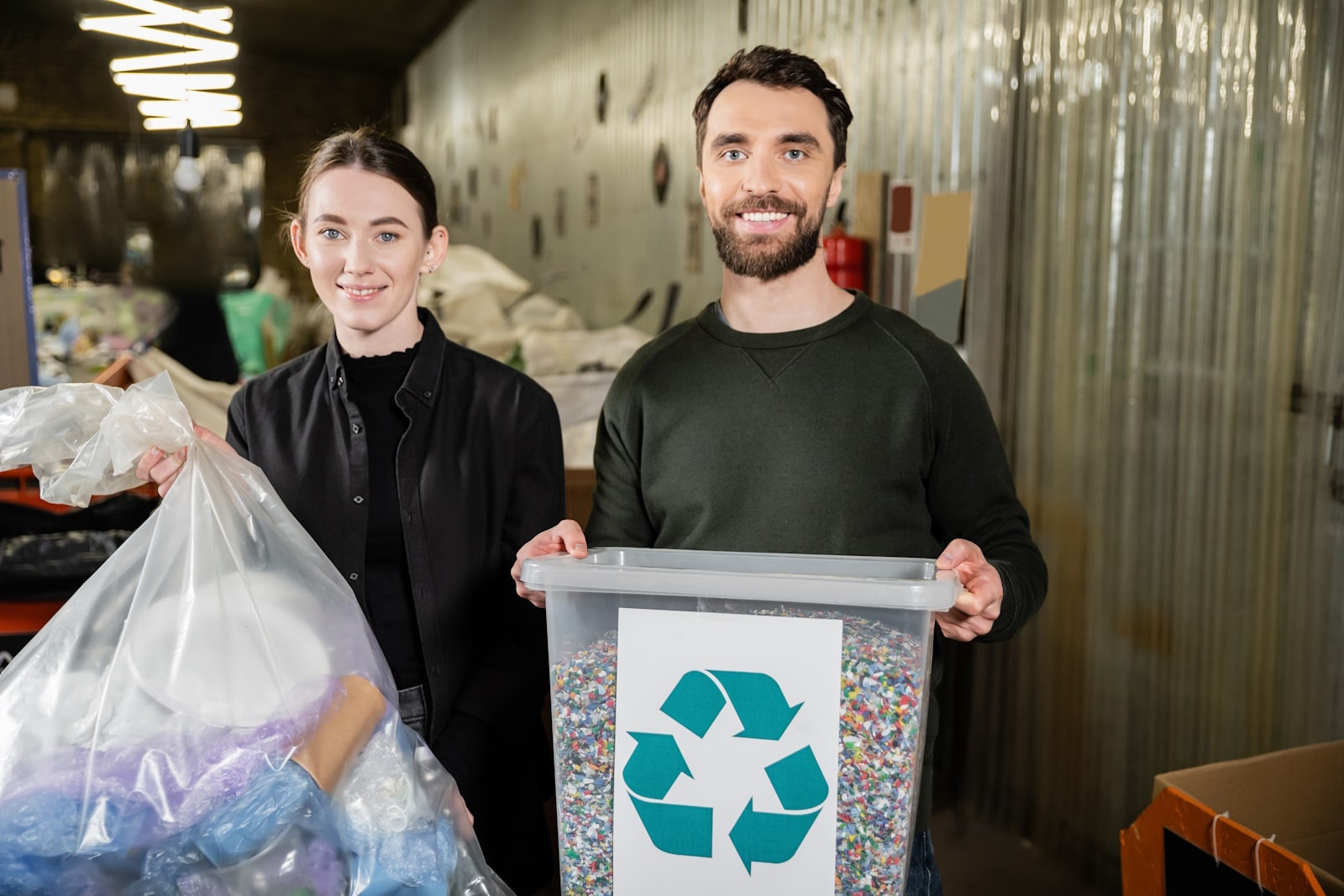
Zero waste is more than a concept; it is a practical framework for redesigning how we use resources. At its core, the goal is to prevent waste, reuse materials whenever possible, and recycle or recover energy from any residual waste. Achieving zero waste requires commitment, planning, and collaboration across all sectors.
Key principles of zero waste include:
- Waste prevention: Minimising materials used and avoiding unnecessary consumption.
- Reuse: Extending the life of products through repair, donation, or repurposing.
- Recycling: Processing waste into new products to reduce the demand for raw materials.
- Recovery: Extracting energy from non-recyclable waste through thermal treatment or other methods.
- Safe disposal: Using environmentally responsible techniques for waste that cannot be recovered or reused.
By applying these principles, a waste management company can guide clients through effective strategies that reduce environmental impact and align with sustainability goals. Organisations can track progress, implement policies, and educate staff and communities to ensure the maximum amount of material is kept in circulation rather than sent to landfill.
What is Thermal Treatment?
Thermal treatment involves high-temperature processes that safely treat or dispose of waste materials. Modern techniques, such as pyrolysis and gasification, go beyond traditional incineration by capturing energy and reducing harmful emissions.
These processes are particularly effective for hazardous or non-recyclable materials, breaking them down into safe by-products or converting them into energy. Thermal treatment reduces the risk of environmental contamination from toxic compounds while simultaneously recovering valuable energy.
In addition, thermal treatment supports a circular economy by turning otherwise unusable materials into resources. This makes it an integral part of any comprehensive waste management strategy, ensuring that businesses and communities can manage their waste responsibly and sustainably.
The Role of Thermal Treatment in Waste Management
Thermal treatment is not just a disposal method; it is a critical step in modern waste management practices. By providing a controlled way to handle hazardous and non-recyclable materials, it complements recycling and recovery strategies while helping organisations achieve zero waste goals.
Key roles of thermal treatment include:
- Reducing landfill use: Diverts waste from landfills, decreasing methane emissions and soil contamination.
- Neutralising hazardous compounds: Safely destroys toxic or flammable materials.
- Recovering energy: Converts waste into heat, electricity, or fuel.
- Supporting circular economy: Ensures non-recyclable waste contributes value before final disposal.
- Compliance with environmental regulations: Meets strict standards for emissions and safety.
These benefits make thermal treatment essential for any waste management company looking to offer sustainable and efficient waste solutions. By integrating thermal treatment into their service offerings, companies can provide clients with both environmental and regulatory advantages.
Environmental Benefits of Thermal Treatment
Thermal treatment offers numerous environmental advantages, particularly for businesses and communities striving for zero waste. It reduces the volume of waste sent to landfills and limits the risk of harmful substances entering the soil or waterways.
Additionally, modern facilities employ advanced gas-cleaning technologies to minimise emissions, making thermal treatment a cleaner alternative to conventional incineration. This ensures that the process contributes positively to air quality and public health.
By diverting hazardous and non-recyclable waste from traditional disposal methods, thermal treatment also helps organisations lower their carbon footprint and meet sustainability targets. It is an essential tool for achieving environmental responsibility alongside economic efficiency.
Economic and Social Impact
Thermal treatment offers significant economic and social advantages beyond environmental protection. Generating energy from waste reduces reliance on fossil fuels and supports local energy infrastructure. It also encourages investment in advanced waste technologies.
The main impacts of thermal treatment include:
- Renewable energy production: Converts non-recyclable waste into heat, electricity, or fuel.
- Job creation: Provides skilled employment opportunities in engineering, operations, and environmental management.
- Cost savings: Reduces landfill fees and long-term waste management expenses.
- Community benefits: Supports cleaner, healthier environments for local residents.
- Industry innovation: Drives research and development in sustainable waste solutions.
These economic and social benefits make thermal treatment an attractive option for businesses, municipalities, and other stakeholders. When implemented correctly, it strengthens local economies, promotes sustainable practices, and helps communities transition to greener, more resilient systems.
Thermal Treatment and Hazardous Waste
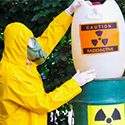
Hazardous waste presents a unique challenge in zero waste strategies. Toxic, flammable, or chemically reactive materials cannot be recycled or safely disposed of in landfills. Thermal treatment provides a secure and permanent solution for these materials.
Through controlled high-temperature processes, hazardous compounds are either destroyed or rendered harmless. This reduces long-term environmental risks and ensures compliance with strict safety regulations.
A waste management company specialising in thermal treatment can guarantee that hazardous waste is handled professionally and responsibly. This protects both the environment and public health while maintaining regulatory compliance for businesses and industries.
The Role of Policy and Regulation
Effective waste management relies on a framework of policies and regulations designed to protect the environment and human health. National laws establish standards for collection, storage, treatment, and disposal of waste.
For thermal treatment facilities, compliance with these regulations ensures safe emissions, proper handling of hazardous materials, and responsible energy recovery. Regular monitoring, reporting, and audits are essential to maintain these standards.
Working with a certified waste management company helps businesses navigate these regulations. Companies can be confident that their waste management practices align with legal requirements while maximising environmental and economic benefits.
Best Practices for Businesses
Businesses can take several steps to integrate thermal treatment into their waste management strategies effectively. The first step is to conduct a waste audit to understand the types and volumes of waste generated. This informs decisions on what can be reduced, reused, or recycled.
Next, partnering with a reliable waste management company ensures proper treatment and energy recovery for non-recyclable materials. Businesses should also explore design changes to products or packaging to minimise waste generation at the source.
Education and training are key. Staff awareness ensures compliance with regulations, safety protocols, and sustainability objectives. Together, these practices help organisations move closer to zero waste while benefiting both the environment and the bottom line.
Looking for Expert Hazardous Waste Solutions?
When hazardous waste is involved, expertise is critical. A-Thermal is a leading waste management company in South Africa, specialising in thermal destruction of hazardous and toxic waste. Our approach ensures that all materials are safely treated to become non-hazardous and environmentally friendly.
Our team of highly qualified engineers and environmental specialists uses advanced pyrolysis and thermal treatment technologies. From waste collection and storage to final treatment and energy recovery, every process is conducted to the highest safety and compliance standards.
A-Thermal provides tailored solutions for businesses, helping them manage hazardous waste responsibly. Our commitment to innovation, environmental protection, and sustainability means we deliver results that go beyond regulatory compliance while supporting zero waste goals.
Moving Towards a Cleaner Future
Thermal treatment is a critical tool for achieving zero waste objectives. It safely manages non-recyclable and hazardous waste, recovers energy, and reduces the reliance on landfill sites. A waste management company using these techniques ensures that environmental impact is minimised and resources are used efficiently.
At A-Thermal, we are dedicated to helping businesses and communities achieve sustainable waste solutions. If you want to manage hazardous waste responsibly and take meaningful steps toward zero waste, get in touch with us today. Together, we can create a cleaner, safer, and greener future.