

How a Medical Waste Company Treats Medical Waste
Medical waste is more than just rubbish. It includes anything generated in hospitals, clinics, laboratories, or nursing homes that could be infectious, toxic, or hazardous. Around 85% of healthcare waste is similar to normal household waste, while the remaining 15% is dangerous and requires careful handling. Needles, syringes, body fluids, expired medicines, and even radioactive materials all fall under this category. A medical waste company plays a vital role in protecting both people and the environment by safely collecting, treating, and disposing of these materials in line with South African laws and policies.
South Africa has clear regulations for healthcare waste under the National Environmental Management: Waste Act. Hospitals, clinics, and laboratories are legally required to separate hazardous and non-hazardous waste and ensure it is managed responsibly. When not treated correctly, medical waste can spread infections, contaminate water sources, and pollute the environment. It can also contribute to air pollution if incinerated incorrectly. The job of a medical waste company is to make sure these risks are minimised through proper treatment, safe handling, and environmentally sound disposal.
Types of Medical Waste
Medical waste comes in many forms, and understanding each type is key to proper treatment. Infectious waste includes anything contaminated with blood or body fluids, such as bandages, lab cultures, or excreta from patients with serious infections. Pathological waste includes human tissues, organs, and unused blood products, while sharps cover needles, scalpels, and broken glass. Chemical waste from laboratories, pharmaceuticals, cytotoxic drugs, and radioactive materials also need special handling. General non-hazardous waste, which makes up the bulk of healthcare waste, is comparable to household waste but still needs to be collected safely.
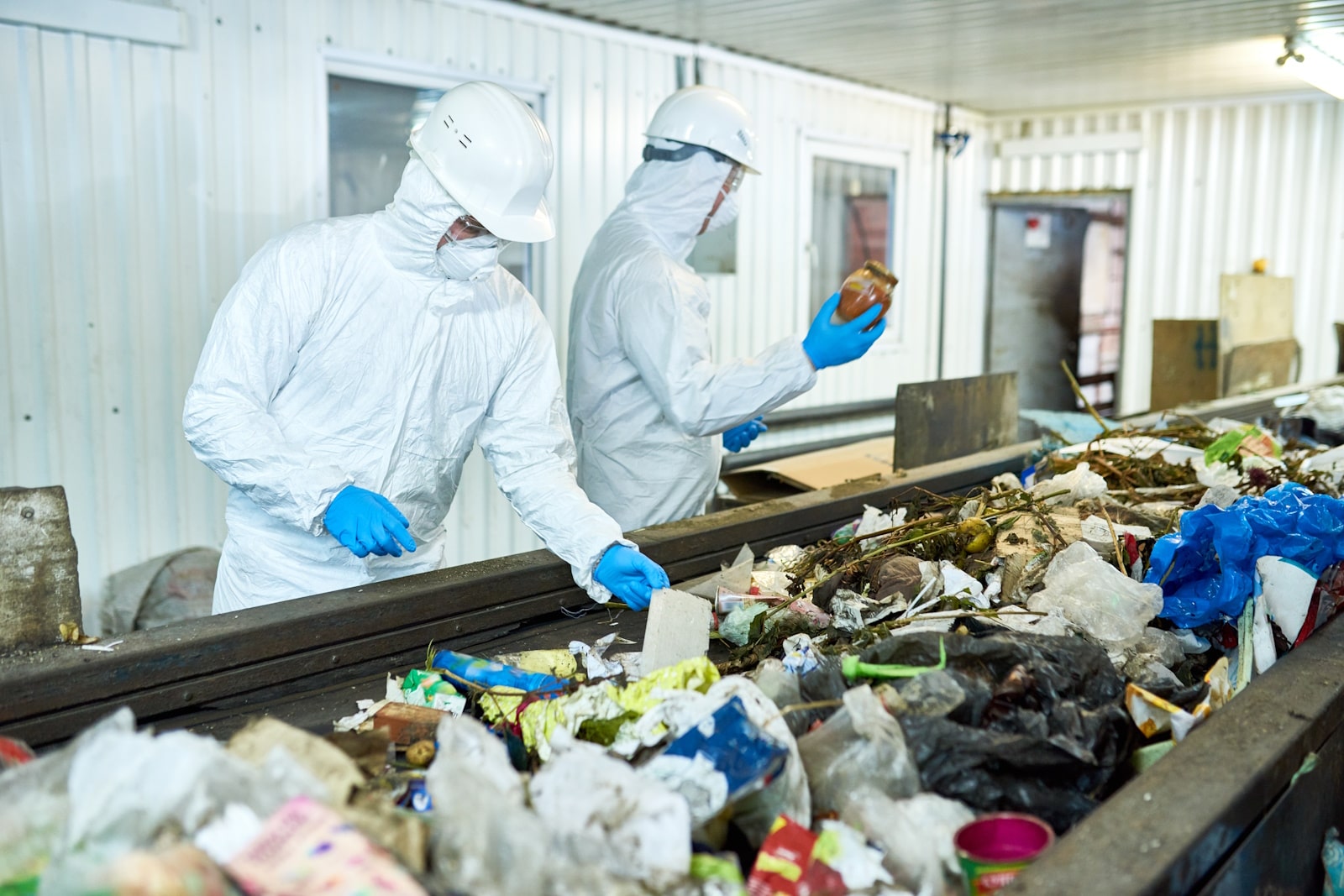
A medical waste company sorts this variety of waste to ensure hazardous materials are treated correctly. In South Africa, regulations require that sharps and infectious waste be handled separately from general waste to reduce the risk of injury or infection. Proper segregation also makes recycling possible for certain plastics and reduces the volume of waste requiring more complex treatment. By identifying each type of waste, a medical waste company can apply the correct disposal method, protect health workers, and meet the standards set by the South African National Standards and environmental authorities.
How Hospitals Prepare Waste
Before a medical waste company can transport hospital waste, it needs to be treated or contained to reduce infection risks. Hospitals often segregate waste at the point of origin, using colour-coded bins for infectious, sharps, chemical, and general waste. Sharps are collected in puncture-resistant containers, while liquids are stored in secure, leak-proof containers. Hospitals may also pre-treat some waste using autoclaves, which use high-pressure steam to sterilise infectious materials. This step not only protects staff handling the waste but also reduces the volume of material going to landfills.
South African hospitals must comply with the Waste Management Series and the Health Act regarding hazardous waste handling. This includes careful documentation and following a cradle-to-grave approach, where the generator remains responsible until the waste is fully treated and disposed of. By preparing waste properly, hospitals make it safer for a medical waste company to transport and process materials, reducing the risk of infections and environmental contamination while staying fully compliant with national legislation.
Collection and Transportation
Once waste is prepared, a medical waste company collects it using secure vehicles that meet safety standards. Transporting medical waste requires careful planning to avoid spills or leaks. Vehicles are usually sealed and labelled to show the type of waste being carried. In South Africa, transporting hazardous medical waste must comply with the Road Traffic Act and environmental regulations to ensure safety on public roads. Drivers are trained in handling spills and following emergency protocols, which is critical when dealing with infectious or chemical materials.
Collection routes are scheduled to optimise efficiency while maintaining safety, and the waste is transported to treatment facilities where it will be sterilised or incinerated. A medical waste company ensures that all documentation, including manifests and tracking forms, is completed. This provides accountability and traceability for every kilogram of waste, ensuring that South African legal requirements are fully met. Proper transport not only protects the public but also helps hospitals manage costs and improve workplace safety.
Treatment Methods
Medical waste treatment depends on the type of waste and the intended disposal method. Incineration is one common technique, where waste is burned at high temperatures to reduce volume and destroy pathogens. Some hospitals operate their own incinerators, while other waste is sent to off-site facilities. Incineration must be carefully controlled to prevent air pollution and comply with South African environmental standards. For non-infectious materials or items suitable for sterilisation, autoclaving is used. This process uses steam and pressure to kill microorganisms and is often applied to sharps and infectious waste.
A medical waste company may also employ chemical treatment or alternative recycling methods for certain plastics, sterilisation wraps, and other non-infectious materials. Plastics like polypropylene, PVC, and PET can be cleaned, sorted, and recycled if handled correctly. Chemical treatment may involve disinfectants that neutralise pathogens before disposal. Each treatment method is chosen to protect health workers, the public, and the environment, while also aligning with South African regulations and sustainable waste management practices.
Recycling and Sustainable Practices
Recycling is an increasingly important part of medical waste management. Many non-infected plastics, PPE, and sterilisation materials can be recycled into new products, reducing environmental impact. A medical waste company carefully sorts plastics using advanced techniques such as near-infrared scanning, X-ray fluorescence, or density separation. Proper cleaning and sterilisation ensure that recycled plastics are safe to reuse, and the company coordinates with recycling facilities to ensure a circular approach.
In South Africa, sustainability is supported by legislation encouraging waste minimisation, reuse, and recycling. Hospitals can participate by selecting recyclable products and reducing unnecessary waste. By implementing these practices, a medical waste company not only helps reduce landfill use and greenhouse gas emissions but also contributes to a healthier environment. Sustainable medical waste management is about making small but effective changes that protect both people and the planet.
Compliance and Safety
Compliance with laws and regulations is at the heart of medical waste management. South African policies require medical waste generators to follow strict guidelines for segregation, transport, treatment, and disposal. Generators must maintain records and ensure that waste is treated according to national standards. Failure to comply can result in severe penalties and environmental risks. A medical waste company ensures that hospitals meet these requirements while maintaining safe practices for staff and the public.
Staff training is a critical part of compliance. Workers are educated on the risks of infectious waste, the correct handling of sharps, and the proper use of protective equipment. Safety protocols are reinforced throughout the collection, transport, and treatment process. By combining regulatory knowledge with practical safety measures, a medical waste company helps healthcare facilities protect their employees, patients, and the wider community.
Medical waste management is a complex but essential service that protects health workers, patients, and the environment. From segregation in hospitals to collection, transport, treatment, and recycling, a medical waste company ensures that every step meets South African laws and safety standards. Whether dealing with sharps, infectious materials, chemicals, or plastics, these companies make healthcare safer and more sustainable.
At A-Thermal, we understand the challenges of medical waste management and provide safe, reliable, and environmentally responsible solutions. If you want to keep your facility compliant, protect your staff, and reduce environmental impact, get in touch with us today and let our team guide you through every step of the process.