
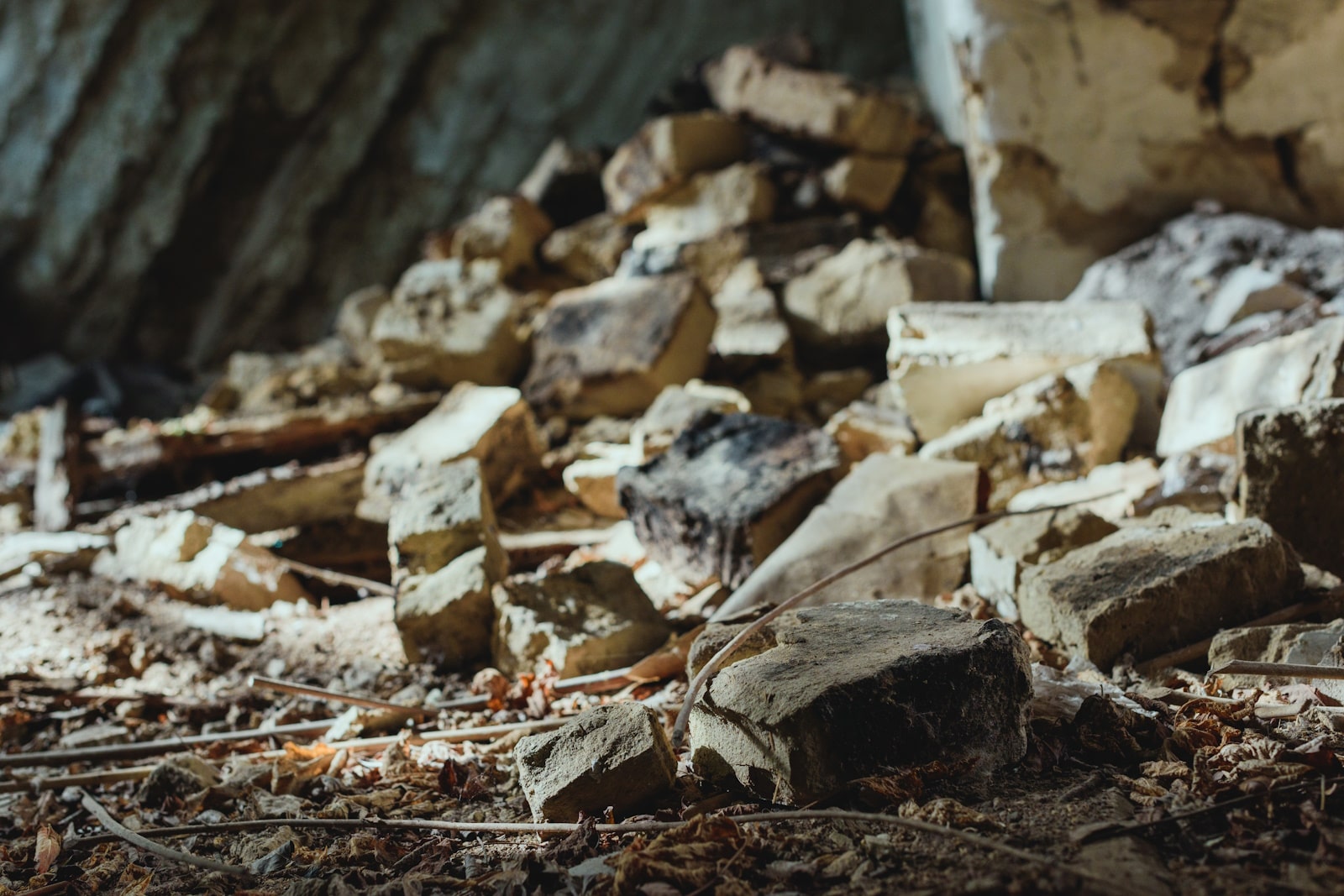
Construction and Demolition Waste Recycling
Construction and demolition (C&D) waste is one of the fastest-growing streams of solid waste globally, and South Africa is no exception. With an estimated 10.8 million tonnes of C&D waste reaching disposal sites each year, the environmental and economic implications are significant. Efficient recycling and recovery of these materials not only help reduce landfill dependency but also contribute to lowering greenhouse gas emissions, conserving natural resources, and supporting sustainable construction practices. For waste companies, implementing advanced recycling strategies is essential to meeting these challenges while also creating business opportunities in a circular economy.
Effective management of C&D waste requires a combination of innovative technologies, practical recycling methods, and compliance with South African regulations. Waste companies that prioritise structured recycling programs can convert materials such as concrete, metals, wood, and gypsum into high-value products for reuse in new construction projects. By adopting best practices and staying aligned with national waste policies, these companies play a crucial role in transforming the construction sector into a more sustainable and resource-efficient industry.
Material Sorting and Separation
Proper sorting and separation of C&D waste is the foundation for successful recycling. Materials must be carefully categorised to reduce contamination and improve the quality of recovered products. Common categories include:
- Concrete: Crushed for aggregate in new construction or road projects.
- Wood: Shredded or processed into particleboard, mulch, or biofuel.
- Metals: Separated into ferrous and non-ferrous metals for remelting.
- Plastics: Sorted for recycling into construction or industrial materials.
- Gypsum: Recovered from drywall for use in new drywall or soil amendments.
Advanced sorting technologies, including sensor-based systems, magnetic separators, and eddy-current machines, allow waste companies to achieve higher material purity and efficiency. Experts emphasise that proper separation at the source reduces downstream contamination and maximises recovery rates, ensuring that each material stream can be effectively processed into a usable product.
In addition to improving recycling yields, meticulous sorting contributes to workplace safety by removing hazardous or non-recyclable items before processing. Implementing best practices for sorting can also enhance compliance with South African environmental legislation, ensuring that waste companies operate responsibly and sustainably.
Concrete Recycling
Concrete accounts for one of the largest proportions of C&D waste, making its recycling both impactful and cost-effective. The process typically involves crushing concrete debris into aggregates, which can then be repurposed in multiple ways:
- New concrete production: Reduces the need for virgin aggregates and associated mining activities.
- Road base construction: Provides a stable and durable foundation for roads.
- Landscaping: Offers functional and decorative aggregate for gardens and outdoor spaces.
Recycling concrete reduces the carbon footprint of construction projects while conserving natural resources such as sand and gravel. Studies show that using recycled concrete aggregate in new projects can maintain structural integrity while reducing overall environmental impact.
For waste companies, investing in concrete crushing and screening equipment is an effective way to generate revenue while supporting sustainable construction. Case studies from South African municipalities indicate that recycled concrete can be incorporated into municipal paving, drainage systems, and even precast blocks, demonstrating both practicality and versatility in reuse applications.
Metal Recovery
C&D waste is a significant source of valuable metals, including ferrous and non-ferrous varieties. Efficient extraction not only saves resources but also generates economic value for waste companies. Commonly recovered metals include:
- Ferrous metals: Steel and iron, extracted using magnetic separation.
- Non-ferrous metals: Aluminium, copper, and brass, often recovered with eddy-current separation.
Once recovered, metals can be melted down and reused in manufacturing, reducing the need for virgin metal mining, which is energy-intensive and environmentally damaging. Experts note that metal recovery from construction sites can achieve rates of up to 90% for ferrous metals when proper sorting and processing protocols are followed.
Implementing robust metal recovery strategies allows waste companies to establish profitable material streams while supporting circular economy initiatives. Beyond economic benefits, efficient metal recovery reduces the volume of waste sent to landfills, helping construction projects comply with South African waste management regulations and sustainability targets.
Wood and Timber Recycling
Wood waste from construction sites is highly versatile and can be transformed into multiple end products. Properly sorted wood can be:
- Mulch: Applied to landscaping and erosion control.
- Particleboard: Used in furniture, cabinetry, or construction panels.
- Biofuel: Converted into energy for heating or industrial processes.
Processing involves mechanical shredding, contamination removal, and, when necessary, treatment to eliminate nails, screws, or adhesives. This ensures the safety and quality of recycled wood products.
Wood recycling also presents an opportunity for waste companies to offer specialised services, such as providing mulch or energy-grade wood chips to municipalities and industrial clients. The growing demand for reclaimed timber in sustainable building projects has made wood recovery an increasingly profitable sector within the C&D waste industry.
Asphalt and Roofing Material Recycling
Recycling asphalt and roofing materials reduces reliance on virgin aggregates and extends the lifecycle of construction materials. Reclaimed materials are typically used for:
- New pavement construction: Recycled asphalt pavement (RAP) is blended with fresh asphalt to maintain performance.
- Roofing applications: Old shingles can be processed into new roofing products or repurposed for energy recovery.
Research indicates that using recycled asphalt reduces carbon emissions by up to 20% compared to conventional pavement construction. Waste companies can leverage this process to offer cost-effective and environmentally friendly alternatives to traditional asphalt supply.
Reclaimed roofing materials also provide an avenue for reducing construction waste volumes. With proper separation and processing, recycled shingles can be integrated into new roofs, demonstrating a practical circular solution for this high-volume waste stream.
Brick and Masonry Recycling
Bricks and masonry materials can be effectively recycled to produce valuable aggregates for various applications. The process typically includes:
- Crushed: For use in landscaping, road base, or drainage systems.
- Cleaned and reused: Whole bricks can be salvaged for new construction projects.
Crushing bricks into aggregate allows waste companies to supply materials suitable for infrastructure projects without relying on virgin stone. Reusing whole bricks is particularly beneficial for heritage or architectural projects, as it preserves the aesthetic and historical value of the materials.
Studies in South Africa have shown that masonry recycling can reduce landfill burden by up to 30%, making it a key strategy for sustainable construction practices. Waste companies adopting these methods can achieve both environmental compliance and economic benefits.
Gypsum and Drywall Recycling
Gypsum recovered from drywall is increasingly being used in new construction and agricultural applications. Common recycling outputs include:
- New drywall production: Reprocessed gypsum replaces virgin materials.
- Soil amendment: Gypsum improves soil structure and fertility.
Processing involves removing paper backing and contaminants to ensure high-quality recycled material. Experts emphasise that gypsum recycling is both technically feasible and economically viable when waste companies implement efficient separation and grinding processes.
Gypsum recycling also aligns with South African waste reduction targets and contributes to the circular economy by transforming a high-volume waste stream into a marketable resource.
Hazardous Material Management
Hazardous materials in C&D waste, such as asbestos, lead paint, and treated wood, require careful handling to prevent environmental and health risks. Key considerations include:
- Asbestos: Must be removed and safely contained.
- Lead paint: Requires specialised disposal methods.
- Treated wood: Needs proper treatment prior to recycling or disposal.
Strict adherence to South African occupational health and environmental regulations ensures the safe management of these materials. Waste companies that offer hazardous material management services demonstrate compliance while adding value through specialised expertise.
Proactive management reduces potential legal liabilities and protects workers and communities from exposure to dangerous substances. By integrating hazardous waste protocols into C&D recycling operations, waste companies can maintain both regulatory compliance and public trust.
On-Site vs Off-Site Recycling
Recycling of C&D waste can occur either on-site or at specialised facilities:
- On-site recycling: Processing directly at the construction or demolition site. Benefits include reduced transport costs and faster turnaround.
- Off-site recycling: Waste is transported to equipped facilities for advanced sorting and processing. This allows for more sophisticated recovery methods and higher-quality outputs.
On-site recycling is particularly effective for large, continuous projects, while off-site recycling is advantageous for complex materials requiring specialised machinery. Waste companies that strategically combine both approaches can optimise operational efficiency and material recovery.
Proper planning and logistics are essential for maximising recycling efficiency. Experts note that choosing the appropriate method depends on project scale, material composition, and access to processing facilities, which enables waste companies to enhance both sustainability and profitability.
Innovative Reuse Applications
Emerging practices are transforming recycled C&D materials into high-value products. Innovations include:
- 3D printing: Recycled materials used in structural components and building prototypes.
- Prefabricated building blocks: Modular construction units produced from recovered waste.
- Industrial processes: Secondary raw materials for manufacturing applications.
These innovations support a circular economy by extending the lifecycle of construction materials and reducing the need for virgin resources. Waste companies investing in these technologies can offer clients sustainable alternatives while diversifying revenue streams.
Integrating recycled materials into cutting-edge construction techniques not only contributes to environmental goals but also positions companies as leaders in sustainability and innovation. This creates opportunities for collaboration with municipal projects, private developers, and research institutions.
South African Context and Policies
South Africa has established frameworks and policies to promote C&D waste recycling, including:
- National Waste Management Strategy 2020: Sets targets for waste diversion and recovery.
- Department of Forestry, Fisheries and the Environment Guidelines: Provides best practices for C&D waste management.
- GreenCape Initiatives: Support the development of recycling infrastructure and markets for recovered materials.
Despite policy support, challenges remain, including limited recycling facilities and inconsistent data on waste volumes. Waste companies that proactively engage with regulatory frameworks and municipal programmes can help address these gaps while enhancing their service offerings.
Compliance with national policies ensures that waste companies operate responsibly, reduces environmental impacts, and aligns with South Africa’s green economy objectives. It also allows companies to demonstrate accountability and commitment to sustainability in the construction sector.
Effective recycling of C&D waste is vital for environmental sustainability, economic efficiency, and resource conservation. Waste companies that implement structured recycling methods can reduce landfill usage, lower greenhouse gas emissions, and supply valuable materials back into the construction industry. By prioritising technologies, best practices, and regulatory compliance, these companies help create a more circular and sustainable construction ecosystem.
At A-Thermal, we are committed to advancing C&D waste recycling through innovative and compliant solutions. We encourage you to contact us to learn more about our services, and how we can help your projects achieve both sustainability goals and operational efficiency. Together, we can transform waste into opportunity, supporting a greener, more resilient construction sector.