
Managing Healthcare Waste: Medical Waste Companies
Healthcare facilities save lives daily, but they also generate significant amounts of hazardous waste. In South Africa, poor segregation and disposal practices in many public hospitals have increased the risks posed by healthcare risk waste (HCRW). From infectious waste and cytotoxic residues to pharmaceutical products and radioactive materials, improper handling can endanger healthcare workers, waste handlers, communities, and the environment. Effective management requires infrastructure, training, and partnerships with reliable medical waste companies. This blog explores the major streams of HCRW, the challenges specific to South Africa, and the practical solutions that can help healthcare facilities meet compliance standards and protect both people and the planet.
Why Healthcare Risk Waste Management Matters
Globally, around 15% of healthcare waste is considered hazardous. In South Africa, this percentage can be higher in public hospitals due to poor segregation practices. During the COVID-19 pandemic, daily healthcare waste volumes spiked to more than 1,500 tonnes per day, stretching already limited capacity and highlighting the need for long-term investment in treatment infrastructure.
When hazardous waste is mismanaged, the consequences are far-reaching. Needlestick injuries, exposure to infectious pathogens, leaching of pharmaceutical compounds into groundwater, and emissions from poorly managed incineration are just some of the risks. Addressing these challenges requires coordinated efforts from government, healthcare providers, and medical waste companies.
Infectious Waste Management
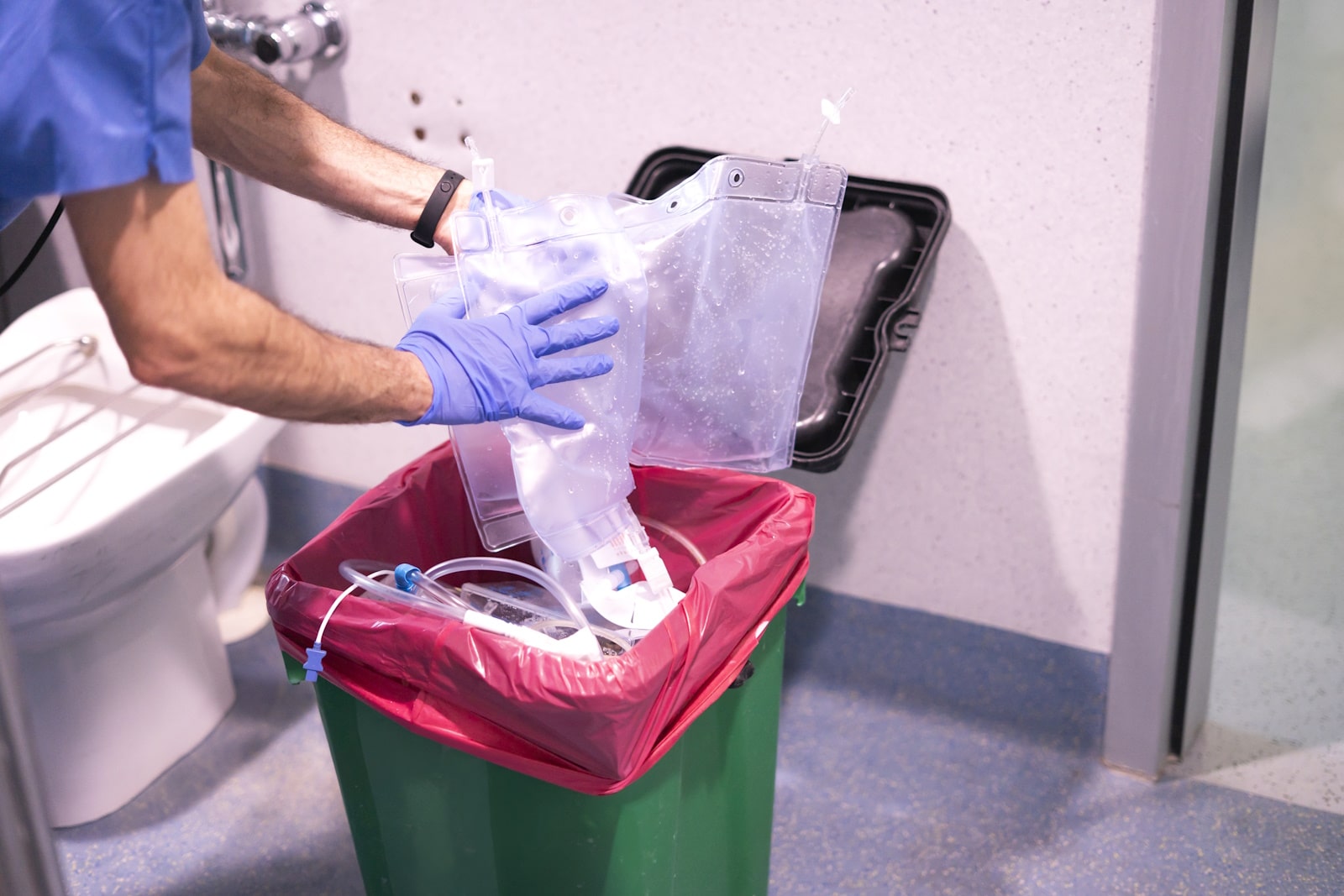
Infectious waste includes materials contaminated with blood, body fluids, cultures, or items from patients with infectious diseases. In many South African hospitals, segregation failures often result in infectious waste being mixed with general waste. This not only endangers healthcare workers and waste handlers but also increases the volume of waste requiring specialised treatment.
Solutions that have shown effectiveness include:
- Colour-coded containers and bags with clear signage at the point of waste generation.
- On-site sterilisation technologies such as autoclaving or hydroclaving, ensuring infectious material is neutralised before transport or disposal.
- Comprehensive staff training programmes with regular refresher sessions.
Case studies from local facilities reveal that where colour-coded bins and audits were introduced, segregation accuracy improved, reducing treatment costs and lowering exposure risks.
Cytotoxic Waste Treatment
Cytotoxic waste comes primarily from oncology wards and includes drug residues, syringes, contaminated PPE, and empty vials. These substances can cause genetic damage and even cancer if not managed correctly.
The challenge in South Africa is that many facilities lack access to specialised treatment options. In some cases, cytotoxic waste has been disposed of via general incineration, a practice that risks releasing toxic emissions into the atmosphere.
The recommended approach is high-temperature incineration at licensed facilities with strict emission controls. Encapsulation, where cytotoxic residues are immobilised in secure containers before disposal, is another safe option for smaller quantities. This is an area where medical waste companies with specialised capacity, such as A-Thermal, provide essential services to ensure compliance with environmental standards.
Pharmaceutical Waste Disposal
Expired, unused, or contaminated medicines frequently end up in landfills or sewage systems. South Africa has seen more than 100 pharmaceutical compounds detected in water systems, raising concerns about groundwater contamination and the spread of antibiotic resistance.
To address this, best practices include:
- Pharmaceutical take-back programmes led by hospital pharmacies.
- Secure storage and collection through licensed medical waste companies.
- Authorised high-temperature incineration or advanced neutralisation methods.
Community-level solutions, such as pharmacy drop-off programmes, can also reduce the amount of pharmaceutical waste entering municipal systems. Without proper handling, the environmental and public health costs are substantial.
Sharps Waste Management
Sharps such as needles, scalpels, and broken glass pose a high risk of injury and transmission of blood-borne diseases. Inconsistent disposal practices have led to incidents of sharps entering general waste streams, endangering both healthcare staff and communities.
Best practices for sharps management include:
- Rigid, puncture-proof sharps containers placed at the point of use.
- Clear rules on not overfilling containers and sealing them securely before transport.
- On-site disinfection through autoclaves or microwaves, followed by regulated incineration or encapsulation.
Medical waste companies play an essential role in ensuring that sharps are collected, transported, and treated in compliance with national legislation, including the Occupational Health and Safety Act and the National Environmental Management: Waste Act.
Radioactive Medical Waste
Although less common than other waste streams, radioactive medical waste is generated through diagnostic and therapeutic procedures in nuclear medicine. This waste must be handled under strict licensing from the National Nuclear Regulator (NNR).
Treatment options typically include decay storage until radioactivity falls to safe levels, followed by disposal through authorised hazardous waste routes. Partnerships with licensed medical waste companies are critical, as unauthorised handling can result in severe regulatory penalties and long-term environmental risks.
Capacity and Infrastructure Gaps
Many South African public hospitals lack adequate infrastructure for on-site treatment. Instead, they rely on third-party contractors, but compliance can vary significantly. There have been documented cases of illegal dumping and substandard treatment due to weak oversight.
The solution lies in regional treatment hubs, pooling resources for advanced facilities like high-temperature incinerators and autoclaves. Government agencies must strengthen compliance monitoring, while hospitals need to contract with medical waste companies that have proven track records in safe and legal treatment.
Training and Awareness
One of the most persistent challenges is poor segregation at source. Nurses, cleaners, and waste handlers often treat all medical waste as general waste, leading to unnecessary risks and higher treatment costs.
Regular, mandatory training sessions can improve awareness and compliance. Hospitals that introduced multilingual signage, colour-coded bins, and monthly waste audits saw measurable improvements in segregation accuracy. Creating a culture of accountability is as important as investing in new technology.
Case Studies in South Africa
- Dr George Mukhari Academic Hospital (Gauteng): A recent study revealed that waste handlers often lacked adequate knowledge of infectious waste, leading to poor segregation. Training interventions were recommended, and early results showed improvements once new protocols were introduced.
- Public hospitals in Gauteng Province: Reviews found widespread non-compliance with Healthcare Waste Management Plans, including evidence of illegal dumping. Recommendations included stronger monitoring and clearer national strategy documents.
These cases underline the importance of combining policy enforcement with on-the-ground training and partnerships with responsible medical waste companies.
The Role of Medical Waste Companies
Medical waste companies are not just contractors; they are key partners in achieving safe and compliant healthcare risk waste management. Their role includes:
- Providing secure collection and transportation systems.
- Operating advanced treatment facilities such as autoclaves and high-temperature incinerators.
- Offering staff training and compliance audits.
- Ensuring legal documentation and chain-of-custody for all waste streams.
A-Thermal, for example, provides advanced thermal treatment services, including high-temperature incineration with stringent emission controls. Partnering with trusted medical waste companies helps healthcare facilities reduce liability, improve compliance, and protect their staff and communities.
Practical Checklist for Hospital Managers
- Install colour-coded bins and signage at every point of care.
- Contract only with licensed medical waste companies with proven compliance records.
- Introduce staff induction training and quarterly refresher courses.
- Audit segregation accuracy and incident reports monthly.
- Implement pharmacy-led take-back programmes for unused or expired medicines.
- Explore regional treatment hubs for shared infrastructure investment.
Healthcare risk waste poses significant challenges in South Africa, from infectious pathogens and cytotoxic residues to pharmaceutical and radioactive contaminants. Without proper management, these waste streams create risks for healthcare workers, waste handlers, and the environment.
Hospitals can take meaningful steps by improving segregation at source, investing in training, and partnering with reliable medical waste companies. Solutions such as high-temperature incineration, autoclaving, pharmaceutical take-back programmes, and decay storage for radioactive materials are already available and effective when implemented correctly.
At A-Thermal, we are committed to helping South African healthcare facilities manage hazardous waste safely, legally, and sustainably. If you are looking for expert support in healthcare risk waste management, contact us today. Together, we can build safer hospitals and a cleaner environment.