

Medical Waste Companies: Managing Hazardous Waste
Healthcare saves lives every day, but it also produces a substantial amount of waste that, if handled incorrectly, can cause significant harm to people and the environment. Hazardous waste from hospitals, laboratories and clinics includes infectious materials, toxic chemicals, pharmaceuticals and electronic components that require highly specialised handling. Medical waste companies are at the centre of this challenge, ensuring that waste is managed safely, legally and sustainably from the moment it is created to its final treatment or disposal.
The growing emphasis on sustainability has transformed how medical waste companies approach this responsibility. Instead of simply collecting and discarding, they now implement systems designed to reduce waste at source, recycle valuable materials, recover resources, and use advanced treatment technologies that lower emissions. This shift is driven by stricter regulations, rising public awareness, and the urgent need to protect both environmental and human health in a rapidly changing world.
Identification And Classification: Know What You’re Managing
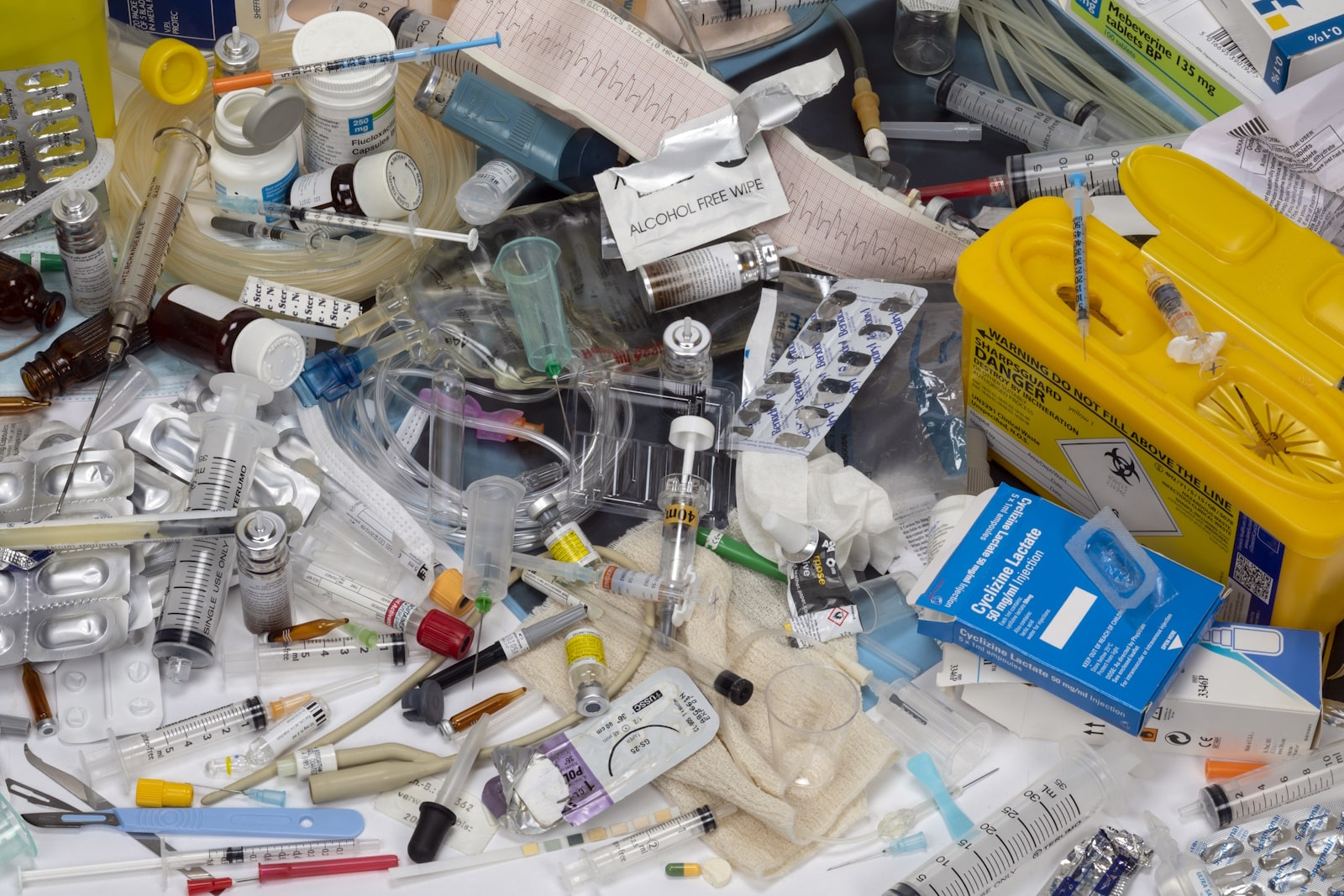
Identifying hazardous waste correctly is the foundation of safe and sustainable waste management. Medical waste companies categorise materials into streams such as infectious clinical waste, solvents, pharmaceuticals, batteries, and electronic waste. This process ensures that every type of hazardous material receives the correct treatment or disposal and prevents unsafe mixing of incompatible substances. Proper classification also simplifies reporting requirements and helps facilities stay compliant with local, national and international rules.
Beyond compliance, accurate classification supports sustainability by ensuring valuable resources are not lost to inappropriate disposal. For example, some solvents can be reclaimed, while metals in electronic devices can be recovered for reuse. Without classification, these materials might be incinerated or landfilled unnecessarily. Medical waste companies train staff at healthcare facilities to recognise and separate waste at the source, laying the groundwork for safe, cost-effective and environmentally responsible management.
Regulatory Compliance: Following The Rules And Documenting Everything
Every country enforces strict rules for hazardous waste, and medical waste companies must operate within these frameworks to remain legitimate. Regulations govern the labelling of waste, storage duration, transportation routes, and disposal or recovery methods. In South Africa, the National Environmental Management: Waste Act (Act 59 of 2008) provides the legal backbone for hazardous waste management, while policies such as the e-waste regulations shape the handling of electronic components. Compliance requires careful documentation and tracking, ensuring every step is traceable.
Beyond avoiding fines or penalties, compliance demonstrates accountability and builds trust with clients, regulators and the public. Modern systems, such as electronic manifests, now provide real-time visibility of waste movements, reducing administrative burden and improving transparency. For medical waste companies, regulatory compliance is not simply a box to tick—it is an ongoing process that assures stakeholders that hazardous waste is being handled in a way that protects both people and ecosystems.
Reduction At Source: The Most Sustainable Step
The most effective way to deal with hazardous waste is to create less of it in the first place. Medical waste companies increasingly partner with healthcare providers to implement source reduction strategies, such as substituting hazardous chemicals with safer alternatives and redesigning processes to minimise toxic outputs. This might involve phasing out mercury-based equipment, introducing reusable sharps containers, or choosing greener cleaning agents that have a lower environmental impact.
Source reduction delivers benefits on multiple fronts: fewer materials require transport, less energy is consumed in treatment, and disposal volumes shrink. It also reduces occupational risk, as workers are exposed to fewer dangerous substances during handling. For hospitals, reducing hazardous waste can lower compliance costs and strengthen sustainability reporting, while for medical waste companies it aligns with the long-term vision of a circular economy where hazardous materials are steadily phased out.
Segregation And Safe Storage: Preventing Risks Early
Segregation is one of the simplest yet most critical steps in managing hazardous waste sustainably. At the point of generation, waste is separated into clearly labelled and colour-coded containers designed to prevent leaks, spills or cross-contamination. Medical waste companies provide training and materials to ensure that staff in hospitals and laboratories can segregate effectively. Keeping pharmaceutical waste separate from infectious sharps or chemical solvents is essential to avoid dangerous reactions and to streamline the recycling or treatment process later on.
Once segregated, waste must be stored securely until collection. Medical waste companies design storage facilities with safety in mind, using secondary containment systems, controlled access and ventilation to reduce the risk of accidents. Storage time is often regulated, so waste companies monitor schedules closely to ensure compliance. Proper segregation and storage not only reduce environmental risks but also protect staff, patients and surrounding communities from potential exposure.
Recycling And Recovery: Turning Waste Into Resources
Not all hazardous waste has to end up in landfill or incinerators. Many materials can be recycled or recovered when processed correctly, and medical waste companies are increasingly building these services into their operations. Metals from medical devices and electronics, solvents from laboratories, and certain plastics from sharps containers can be reprocessed into valuable raw materials. This reduces reliance on virgin resources and lessens the environmental burden of extraction and manufacturing.
The challenge lies in doing so safely and legally. Recycling hazardous materials requires strict oversight to prevent secondary contamination or improper reuse. Certified recycling facilities work closely with medical waste companies to ensure that recovered materials are handled according to international standards. By creating safe, closed loops for valuable materials, waste companies not only help hospitals reduce their environmental footprint but also contribute to global resource efficiency.
Treatment Technologies: Matching The Method To The Waste
Hazardous waste that cannot be reused or recycled must undergo treatment to neutralise or reduce its risks. Medical waste companies use a variety of technologies depending on the type of waste. Autoclaving, for example, sterilises infectious waste using steam, while chemical neutralisation safely treats acids and alkalis. For waste that cannot be treated by these methods, advanced thermal processes such as high-temperature incineration with strict emission controls are applied.
Each technology comes with its own environmental considerations, and medical waste companies must balance safety with sustainability. Where possible, they choose methods that minimise greenhouse gas emissions and energy use. Some modern facilities integrate energy recovery systems, turning the treatment of hazardous waste into an opportunity to generate usable power. This careful selection of technologies ensures that risks are reduced without shifting the burden onto the environment.
Safe Transportation: Ensuring Accountability On The Move
Moving hazardous waste from one site to another is one of the riskiest stages in the waste lifecycle. Medical waste companies must comply with national and international transport regulations, using specialised vehicles, trained drivers and secure packaging to minimise the chance of accidents. In South Africa, the transport of dangerous goods is governed by strict requirements that demand clear labelling, manifest documentation and approved routes.
Technology has made transportation safer and more transparent. Electronic tracking systems now allow medical waste companies and regulators to monitor waste shipments in real time, ensuring full accountability. Training is equally important, as drivers and handlers must know how to respond to spills, leaks or accidents on the road. By combining expertise, equipment and systems, medical waste companies make sure hazardous waste is moved safely and efficiently from source to treatment.
Final Disposal: Containment When All Else Fails
Despite the emphasis on recycling and recovery, some hazardous waste cannot be treated or reused and must be disposed of permanently. Medical waste companies rely on engineered landfills and long-term containment facilities to manage these residues. These sites are designed with multiple layers of protection, including liners, leachate collection systems and continuous monitoring to prevent contamination of soil and groundwater.
Final disposal is always considered the last resort within the waste management hierarchy. By minimising the amount of waste that ends up in landfill, medical waste companies reduce long-term environmental liabilities. However, when disposal is unavoidable, they ensure it is carried out under the highest safety and regulatory standards, maintaining public trust and environmental security.
Monitoring And Risk Management: Vigilance That Never Stops
The management of hazardous waste does not end once treatment or disposal is complete. Medical waste companies implement continuous monitoring systems to detect leaks, emissions or contamination in storage, treatment or disposal sites. These systems include air-quality checks, groundwater testing, and continuous emissions monitoring at incineration plants. This vigilance ensures that any issues are identified early before they escalate into larger problems.
Risk management also involves preparing for emergencies. Medical waste companies develop and test response plans for spills, accidents and other incidents, training their staff to act quickly and effectively. This proactive approach reduces downtime, limits environmental damage and protects the communities where healthcare waste facilities operate. Monitoring and risk management create a feedback loop that drives continuous improvement across the waste lifecycle.
Education And Awareness: Building A Culture Of Safety
Even the best infrastructure and technologies depend on people using them correctly. Medical waste companies invest heavily in training healthcare staff to segregate, label and store waste properly. Regular refresher sessions and clear workplace signage reinforce safe habits, while spill-response drills prepare staff for emergencies. Training reduces accidents, improves compliance and ensures waste-handling protocols are embedded in daily practice.
Public awareness is another important element. Communities benefit from initiatives such as safe battery drop-off centres or pharmaceutical take-back schemes, which prevent hazardous items from entering household waste streams. By raising awareness beyond healthcare facilities, medical waste companies help prevent improper disposal and engage citizens in building a safer, more sustainable system for everyone.
Sustainable Innovation: Designing The Future
Sustainability is not a static goal but a moving target that requires constant innovation. Medical waste companies are investing in greener treatment technologies, digital tracking tools and circular-economy initiatives to reduce reliance on hazardous substances altogether. Innovations include reusable container systems, energy-efficient autoclaves, and data-driven waste audits that help facilities identify opportunities to reduce waste at source.
The long-term aim is to phase out the most dangerous materials entirely, creating a healthcare system where hazardous waste is the exception rather than the rule. By aligning their practices with global sustainability goals, medical waste companies position themselves as essential partners in protecting public health and the environment well into the future.
At A-Thermal, we understand the importance of sustainable hazardous-waste management. Our team works with healthcare providers to design and implement solutions that meet legal requirements, protect staff and communities, and reduce environmental impact. If you are looking to improve your waste management practices, contact us today to see how we can help you build a safer, more sustainable programme tailored to your needs.