
6 Strategies to Manage Medical Waste Effectively
Managing medical waste is a critical responsibility for healthcare facilities, requiring careful planning and strict adherence to safety standards. Improper handling of medical waste can lead to infections, environmental harm, and serious legal consequences. In South Africa, compliance with regulations such as the National Environmental Management: Waste Act (Act 59 of 2008) and the Health Care Risk Waste Regulations is mandatory. Healthcare facilities must adopt comprehensive strategies to ensure waste is handled safely, efficiently, and in an environmentally responsible manner. Partnering with a professional medical waste company can make a significant difference in maintaining these standards.
Healthcare providers face increasing scrutiny over their waste management practices, and patients are becoming more aware of the environmental impact of healthcare operations. Effective medical waste management not only safeguards human health but also strengthens public trust and regulatory compliance. From segregation at the source to final disposal, each step in the waste management process plays a vital role in protecting staff, the community, and the environment.
1. Segregation at Source
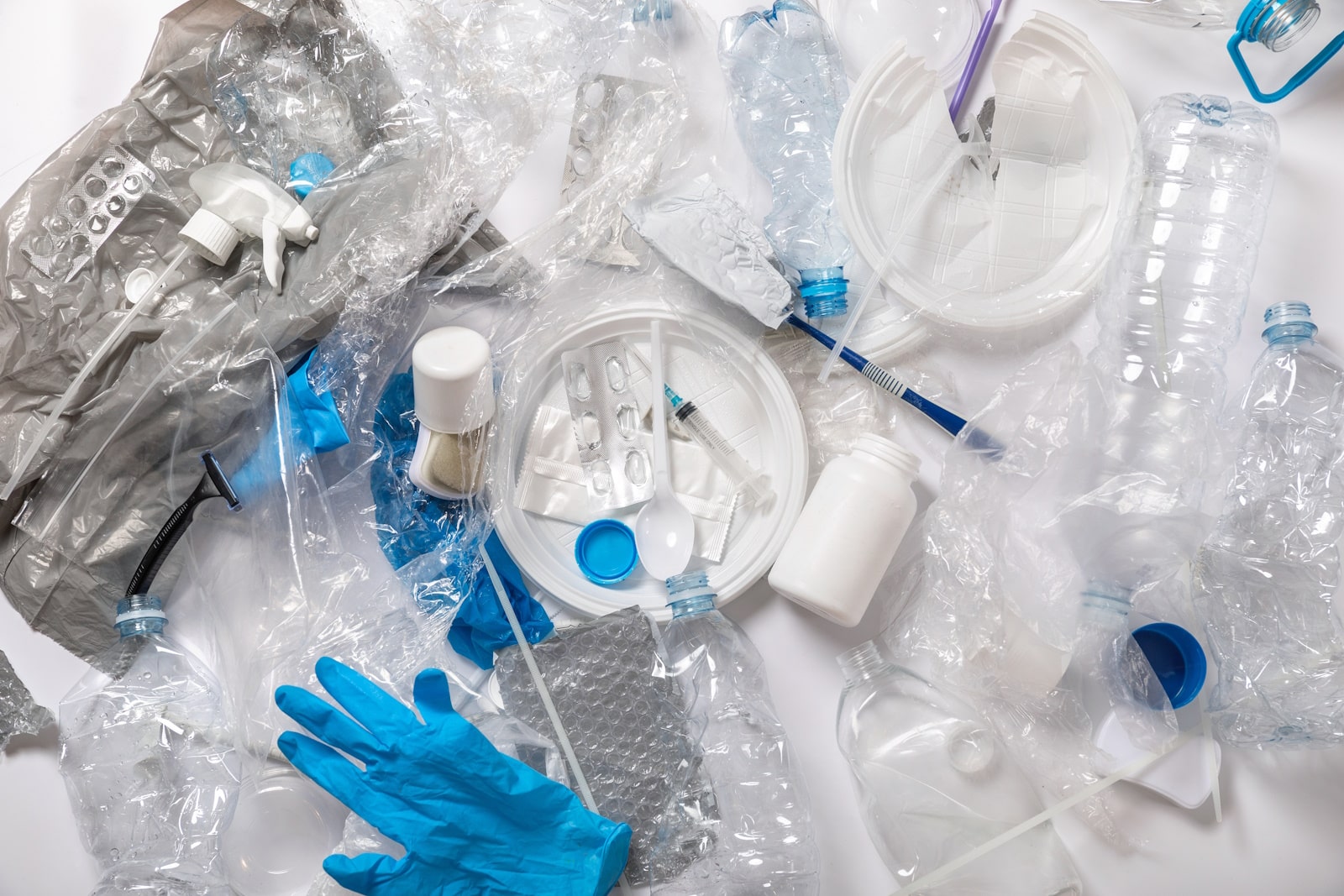
Segregation at the point of generation is one of the most critical steps in medical waste management. Waste should be categorised into infectious, sharps, pharmaceutical, chemical, and general waste. Infectious materials such as bandages and swabs, sharp objects including needles and scalpels, expired pharmaceuticals, chemical disinfectants, and non-contaminated general waste must be separated immediately. Proper segregation reduces cross-contamination risks and ensures that each type of waste can be treated appropriately.
A medical waste company typically provides colour-coded bins and clear labelling to assist healthcare staff in this process. By implementing these tools, healthcare facilities can simplify compliance, reduce the likelihood of errors, and protect employees from accidental exposure. Effective segregation also reduces overall treatment costs because different waste types require different disposal methods, making the process more efficient and sustainable.
2. Proper Containers & Labelling
Proper containers and labelling are essential for safe handling and storage of medical waste. Containers should be puncture-resistant, leak-proof, and suitable for the type of waste they hold. Colour-coded systems, for instance, yellow for infectious waste and red for sharps, help ensure immediate identification. Clear labels should indicate the contents, hazard level, and date of collection to maintain transparency and prevent mishandling.
Correct labelling and container usage improve workplace safety by providing a visual alert to employees handling waste. In addition, a professional medical waste company can supply standardised containers that meet national and international safety standards, which helps healthcare facilities remain compliant with regulatory requirements. Proper containerisation also simplifies the subsequent transport, storage, and treatment of waste, streamlining the entire management process.
3. Safe Collection & Storage
Medical waste must be collected frequently and stored in designated, secure areas to prevent contamination. Storage areas should be well-ventilated, temperature-controlled where necessary, and restricted to authorised personnel only. Regular cleaning of storage spaces is essential to minimise pathogen proliferation, foul odours, and pest infestations. A structured collection schedule ensures waste does not accumulate, which can create safety and compliance risks.
Outsourcing collection to a professional medical waste company ensures adherence to strict protocols and reduces the burden on internal staff. These companies have the expertise to handle hazardous materials safely, use proper protective equipment, and implement emergency response procedures if spills or contamination occur. Safe collection and storage form the backbone of an effective medical waste management system.
4. Transportation Procedures
Transporting medical waste requires careful planning and specialised equipment. Waste must be packaged securely to prevent leaks and moved using vehicles that are suitable for handling hazardous materials. Staff responsible for transport should receive thorough training in proper handling, emergency protocols, and regulatory compliance. Maintaining a secure chain of custody during transport helps prevent accidents and environmental contamination.
Partnering with a medical waste company allows healthcare facilities to leverage professional transport solutions, including GPS tracking, sealed containers, and robust safety measures. Such companies ensure that waste is safely delivered from the point of generation to treatment facilities or final disposal sites, reducing liability and ensuring compliance with South African health and environmental legislation.
5. Treatment Methods
Different categories of medical waste require specific treatment methods to neutralise hazards. Incineration is suitable for pathological and pharmaceutical waste, autoclaving sterilises infectious materials, chemical disinfection neutralises liquid pathogens, and microwave treatments provide a modern alternative for on-site decontamination. Choosing the correct method ensures waste is rendered non-hazardous and safe for final disposal.
A medical waste company can advise healthcare facilities on the most appropriate treatment solutions based on waste type and volume. These companies also stay updated on emerging technologies that improve efficiency, reduce environmental impact, and meet regulatory requirements. Correct treatment reduces the risk of disease transmission and environmental contamination, reinforcing the safety and sustainability of healthcare operations.
6. Final Disposal
Final disposal of treated waste must be conducted responsibly. Inert, non-hazardous materials can be placed in landfills following environmental guidelines, while hazardous waste may require secure burial pits or controlled containment. Recycling is an option for non-contaminated waste but must be carefully managed to prevent public health risks. Proper disposal prevents environmental contamination and supports long-term sustainability.
Collaborating with a professional medical waste company ensures that all waste is disposed of according to legal and environmental standards. These companies can guide facilities on proper segregation for recycling, regulatory reporting, and sustainable practices, reducing overall liability while supporting environmental stewardship.
Bonus Strategies
7. Staff Training
Ongoing staff training is critical for compliance and safety. Training covers segregation, proper use of personal protective equipment (PPE), emergency response, and safe handling practices. Educated staff are less likely to make mistakes that could result in contamination, injuries, or legal infractions. Continuous education fosters a culture of safety within healthcare facilities.
8. Regulatory Compliance
Strict compliance with South African laws, including the National Environmental Management: Waste Act and Health Care Risk Waste Regulations, ensures facilities operate legally and safely. International best practices, such as those recommended by the World Health Organization, provide additional benchmarks for excellence. Adhering to these regulations mitigates risk and promotes environmental sustainability.
9. Monitoring & Auditing
Regular monitoring and auditing of waste management processes allow facilities to identify inefficiencies, verify compliance, and implement improvements. Tracking waste streams, documenting procedures, and reviewing operational practices enable continuous optimisation. Monitoring ensures accountability, improves efficiency, and reduces exposure risks for staff and the public.
Effective medical waste management is essential to protect human health, safeguard the environment, and maintain compliance with national regulations. Partnering with a professional medical waste company such as A-Thermal can streamline the process, provide expert guidance, and ensure that your facility meets safety and environmental standards. Contact us to learn how our solutions can help you manage medical waste efficiently and responsibly.