


SAHPRA Guidelines for Pharmaceutical Products
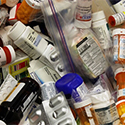
The safe disposal of pharmaceutical products is a cornerstone of public health and environmental protection in South Africa. Improper disposal of medicines or medical devices can result in contamination of water systems, accidental ingestion, or re-entry into the supply chain, posing serious health risks. For stakeholders across the pharmaceutical sector—including manufacturers, distributors, healthcare facilities, and medical waste companies—adhering to the South African Health Products Regulatory Authority (SAHPRA) guidelines ensures that pharmaceutical waste is handled responsibly, safely, and legally. Partnering with a certified medical waste company is often the most efficient way to maintain compliance while safeguarding communities and the environment.
SAHPRA guidelines provide a structured approach to identifying, segregating, and disposing of undesirable pharmaceutical products. Expired, damaged, or recalled medicines must be distinguished from general waste and managed through controlled channels. The overarching goal is to prevent these substances from being misused, accidentally consumed, or improperly disposed of in landfills, drains, or municipal waste streams. Following the recommended procedures not only mitigates health and environmental risks but also demonstrates a commitment to regulatory compliance and corporate social responsibility.
Purpose & Scope
The purpose of SAHPRA’s guidelines is to prevent undesirable pharmaceutical products from re-entering the market and to ensure that their disposal does not compromise public health or environmental safety. These guidelines cover all types of pharmaceutical products, including prescription and over-the-counter medicines, controlled substances, and medical devices deemed unsafe for use. For healthcare facilities and pharmacies, compliance is not optional—it is a legal and ethical obligation, making the role of professional medical waste companies indispensable.
The scope extends to all parties involved in the lifecycle of pharmaceutical products. From manufacturers who detect a quality issue, to distributors handling recalled stock, to medical waste companies tasked with disposal, each stakeholder must understand their responsibilities. Effective implementation requires a systematic approach to segregation, storage, and authorisation for destruction. By adhering to these guidelines, organisations minimise the risk of diversion of pharmaceuticals into illegal channels and prevent environmental contamination caused by hazardous substances.
General Requirements
Pharmaceutical disposal must always comply with established safety, quality, and efficacy standards. This means that any substance deemed undesirable should be segregated from general waste, securely stored, and handled in a manner that reduces exposure risks. Medical waste companies play a critical role in ensuring that these requirements are consistently met, providing specialised collection, transport, and disposal services aligned with SAHPRA standards.
In addition, organisations must adhere to South African laws such as the National Environmental Management: Waste Act, which governs the handling and treatment of hazardous waste. Implementing proper disposal processes protects healthcare workers, the public, and the environment. Using a licensed medical waste company ensures that pharmaceutical waste is not only disposed of according to legal and ethical standards but also tracked and documented, preventing unintentional breaches that could result in fines or legal action.
Authorisation for Disposal
Proper authorisation from SAHPRA is mandatory before disposing of any pharmaceutical products. The process begins with submitting an application detailing the type, quantity, and condition of the items intended for destruction. This step is critical to maintain transparency and accountability and to prevent unauthorised disposal, which could have significant legal repercussions.
Once approval is granted, written confirmation must be kept on file and integrated into the organisation’s waste management system. Detailed documentation is essential for audits, regulatory reviews, and potential inspections. By engaging a professional medical waste company, organisations can ensure that all authorisation protocols are strictly followed and that every stage of the disposal process is fully compliant with SAHPRA requirements.
Disposal Methods
Approved disposal methods are designed to protect both public health and the environment. High-temperature incineration at licensed facilities is one of the primary methods for safely destroying pharmaceutical waste, ensuring complete neutralisation of hazardous compounds. In specific instances, landfill disposal may be permitted, provided strict environmental safeguards are applied to prevent soil and water contamination.
Alternative methods may also be considered, subject to SAHPRA approval and alignment with environmental standards. Medical waste companies are equipped to assess each type of pharmaceutical product and select the most appropriate disposal method, ensuring compliance while minimising ecological impact. Their expertise in handling hazardous waste makes them a crucial partner for any healthcare or pharmaceutical operation.
Documentation & Reporting
Maintaining accurate records of pharmaceutical disposal is critical for compliance and accountability. Detailed logs must include product types, quantities, disposal methods, dates, and authorisation details. These records allow organisations to track waste streams and provide evidence of compliance during regulatory inspections.
Regular reporting to SAHPRA is mandatory and should reflect all relevant activities related to disposal. Engaging a medical waste company can streamline the documentation process, as these organisations are often equipped with digital tracking systems that generate accurate, auditable reports. Proper reporting ensures transparency, facilitates regulatory compliance, and demonstrates a commitment to safe and responsible waste management practices.
Roles & Responsibilities
The disposal of pharmaceutical products involves multiple stakeholders. Manufacturers and distributors are responsible for identifying undesirable products and segregating them from active stock. Healthcare facilities must manage temporary storage and prepare products for authorised disposal.
Medical waste companies provide essential services including collection, transport, and destruction of hazardous materials. Regulatory bodies such as SAHPRA oversee the entire process, issuing authorisations, conducting audits, and enforcing compliance. Collaboration among all parties ensures that disposal activities are conducted safely, efficiently, and legally.
Compliance & Enforcement
Adherence to SAHPRA guidelines is legally required, and non-compliance carries serious consequences. Organisations that fail to follow proper disposal procedures risk fines, license suspension, or other legal penalties. Compliance demonstrates responsibility, protects public health, and supports environmental sustainability.
Regulatory enforcement includes routine inspections and audits to verify that pharmaceutical waste is handled correctly. Working with a certified medical waste company helps mitigate risks by ensuring that all processes—from segregation to final destruction—meet legal and ethical standards. Proper compliance also protects organisations from reputational harm and ensures long-term operational sustainability.
Safe disposal of undesirable pharmaceutical products is vital for public health, environmental safety, and regulatory compliance in South Africa. Organisations across the healthcare and pharmaceutical sectors benefit from engaging licensed medical waste companies to manage this complex process, from authorisation to final destruction. Following SAHPRA guidelines ensures that hazardous pharmaceuticals do not re-enter the market or the environment, safeguarding communities and the ecosystem.
At A-Thermal, we specialise in providing comprehensive, compliant pharmaceutical waste disposal solutions. Our experienced team ensures every stage of the process is managed safely and efficiently, adhering strictly to SAHPRA regulations. Contact us today to discover how we can help your organisation manage pharmaceutical waste responsibly and securely.