



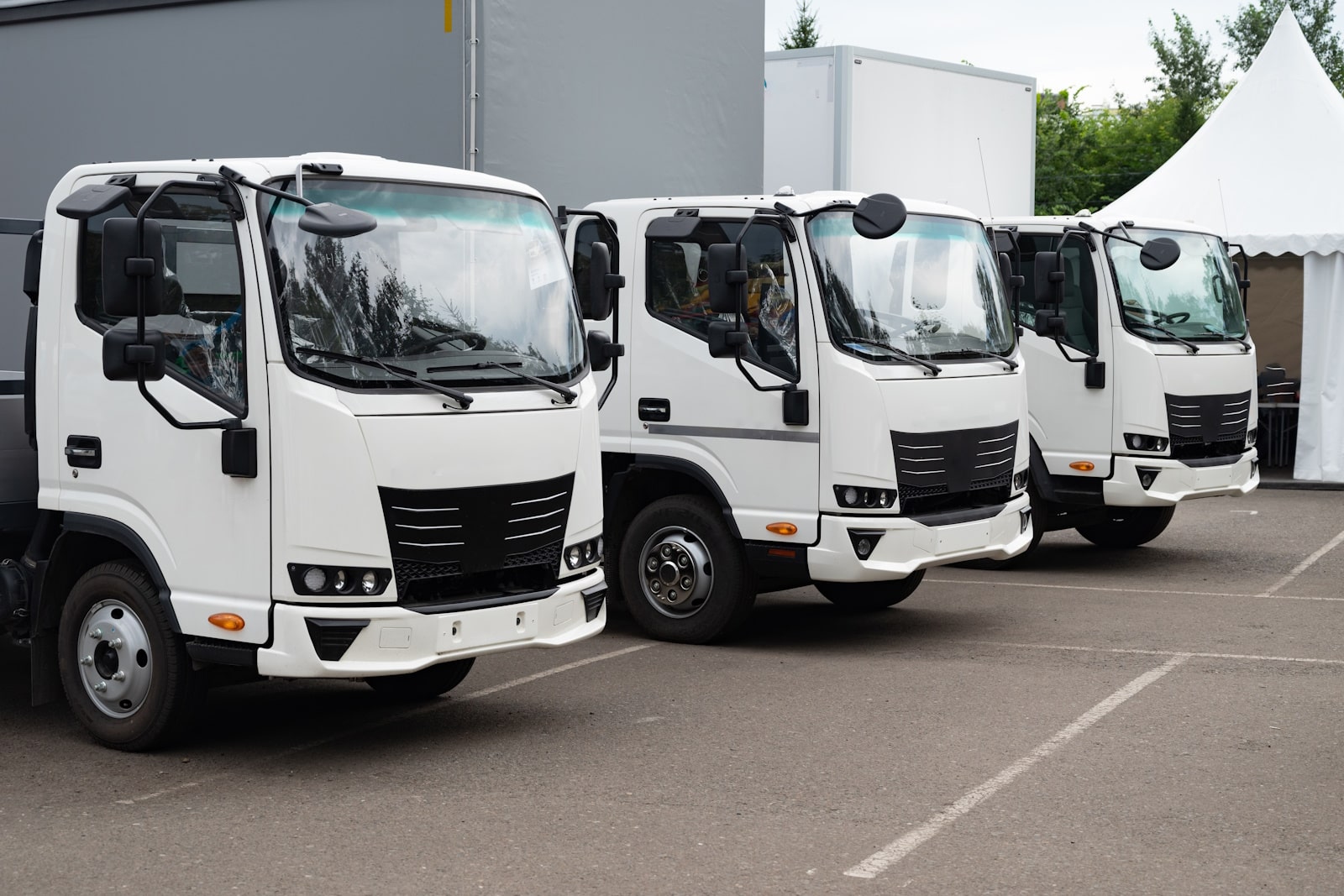
Medical Waste Company: Specialised Vehicles Shortage
The safe and efficient transportation of medical waste is a crucial component of healthcare waste management, directly impacting public health and environmental safety. In South Africa, medical waste companies face a persistent challenge: the shortage of specialised vehicles designed specifically to meet the rigorous demands of medical waste transport. This shortage not only hinders compliance with strict regulations but also raises concerns about safety, environmental impact, and service efficiency. Tackling these challenges requires an in-depth understanding of vehicle types, regulatory frameworks, and operational realities unique to South Africa’s healthcare waste sector.
Medical waste companies must operate within a framework that ensures waste is contained, transported, and disposed of without exposing workers, the public, or the environment to hazardous substances. Unfortunately, the current deficit of specialised vehicles undermines this framework, causing delays, increasing risks, and straining resources. By exploring the complexities surrounding specialised medical waste transport vehicles, we can identify solutions that strengthen the waste management system and protect communities nationwide.
Types of Specialised Vehicles for Medical Waste Transport
Specialised vehicles designed for medical waste transport are engineered to safely contain and move hazardous waste without risk of contamination or exposure. Common types of these vehicles include refrigerated trucks, which maintain required temperature controls for biological or pharmaceutical waste sensitive to heat and degradation. These vehicles prevent spoilage and ensure waste remains safe for treatment upon arrival.
Another key category is sealed compartment vehicles, equipped with airtight and secure compartments that prevent leaks and spills during transit. These vehicles are vital to maintaining the integrity of hazardous materials and avoiding environmental contamination. Additionally, the rise of electric and hybrid vehicles presents an innovative solution for medical waste companies seeking to reduce emissions and operational costs. These vehicles contribute to sustainability goals while providing efficient transport options for medical waste. Incorporating these types into fleets is essential for meeting both safety and environmental standards.
Regulatory Requirements for Transport Vehicles
South African law mandates strict regulatory compliance for medical waste transport, governed primarily by the Health Care Risk Waste Management Regulations. These rules require medical waste companies to use registered vehicles that meet specific safety and containment standards. Furthermore, transporters must operate within a documented waste manifest system that tracks waste from generation to final disposal, ensuring accountability at every step.
Compliance also involves registration with relevant government authorities such as the Department of Health and local municipalities. These bodies oversee enforcement of regulations and ensure that transport vehicles adhere to both national and provincial standards. Meeting these requirements is non-negotiable for medical waste companies; failure to comply risks legal penalties and endangers public safety. The regulatory framework aims to protect communities by enforcing the use of specialised vehicles designed to contain infectious and hazardous waste securely throughout the transportation process.
Impact of Vehicle Shortages on Waste Management
The shortage of specialised vehicles has significant repercussions for medical waste companies and the broader waste management ecosystem. Limited vehicle availability leads to delays in waste collection and transport, causing backlogs at medical facilities and waste treatment centres. These delays increase the risk of improper storage and potential exposure to hazardous waste for healthcare workers and the public.
Moreover, the scarcity often forces medical waste companies to resort to non-compliant or inadequately equipped vehicles, thereby breaching legal requirements. Such practices can result in spills, contamination, and environmental damage, while also exposing companies to fines and reputational harm. In the long term, these issues can undermine trust in healthcare waste management systems and complicate efforts to implement sustainable waste disposal practices across South Africa.
Safety Risks from Inadequate Transport
When medical waste is transported in unsuitable vehicles, both workers and communities face elevated health and safety risks. Improper containment increases the chance of hazardous materials leaking or spilling during transit. This exposes drivers, handlers, and bystanders to potentially infectious substances, chemical hazards, and sharp waste.
Inadequate vehicles often lack critical safety features such as secure locking mechanisms, leak-proof compartments, and specialised containment systems. This absence increases the likelihood of accidents, injuries, or environmental contamination during transport. For medical waste companies, using vehicles that do not meet these safety standards compromises the entire chain of custody, putting health outcomes and legal compliance in jeopardy.
Cost Factors Affecting Vehicle Availability
The financial burden of acquiring and maintaining specialised vehicles is a major contributor to their shortage among medical waste companies. These vehicles require substantial initial investment, often beyond the reach of smaller or emerging waste transport firms. Additionally, specialised vehicles incur higher ongoing costs due to the need for regular maintenance, compliance checks, and potential retrofitting to meet evolving regulations.
Operational expenses further strain budgets. Fuel consumption, insurance premiums, and the requirement for trained personnel to operate these vehicles add layers of cost that many companies struggle to absorb. These economic pressures often deter investment in expanding or upgrading vehicle fleets, reinforcing the shortage and limiting capacity to meet demand effectively.
Innovations in Medical Waste Transport
Technological advancements are creating new opportunities for medical waste companies to overcome transportation challenges. Smart routing systems, utilising GPS and real-time traffic data, optimise delivery paths to reduce fuel consumption and transit times. This not only enhances efficiency but also limits emissions linked to waste transport.
Electric and hybrid vehicles are increasingly being introduced to reduce the environmental impact of transport fleets, lowering carbon footprints while offering cost savings over time. Moreover, automated tracking and IoT-based monitoring systems provide continuous oversight of waste containers, ensuring compliance and transparency throughout the transport process. These innovations collectively help address vehicle shortages by improving the utilisation and safety of existing fleets.
Training Needs for Transport Personnel
The safe handling and transportation of medical waste depend heavily on the expertise of transport personnel. Medical waste companies must prioritise comprehensive training programmes covering waste segregation, handling protocols, and emergency response procedures. Personnel must fully understand the legal obligations and safety standards required during transport to prevent accidents or contamination.
Regular refresher courses and competency assessments are vital to maintaining high standards. Skilled drivers and handlers contribute significantly to reducing risks associated with medical waste transport, ensuring that vehicles are operated safely and waste is delivered securely to treatment facilities. Investing in personnel training is a critical component in overcoming challenges linked to vehicle shortages.
Logistical Challenges in Remote Areas
Transporting medical waste in South Africa’s rural and remote regions poses additional logistical difficulties for medical waste companies. Poor infrastructure, including unpaved roads and limited access routes, hampers vehicle movement and increases wear and tear. These challenges often result in longer transit times, heightening the risk of waste degradation or accidental release.
Furthermore, the limited availability of specialised vehicles in remote areas exacerbates these challenges, forcing medical waste companies to coordinate complex logistics and sometimes employ interim storage solutions. Overcoming these barriers requires tailored strategies, including investment in rugged vehicles suited for harsh terrain and collaboration with local authorities to improve access and support safe transport.
Environmental Impact of Transport Vehicles
Medical waste transport fleets contribute to environmental concerns through emissions, noise pollution, and waste generation related to vehicle maintenance. Diesel-powered trucks, still predominant in many fleets, emit pollutants that contribute to air quality degradation and climate change. Noise from frequent vehicle movements can disrupt communities and local wildlife.
Additionally, disposal of vehicle parts and hazardous materials used in maintenance can add to environmental pollution if not managed properly. Transitioning to electric and hybrid vehicles offers a pathway to mitigate these impacts. Medical waste companies adopting greener technologies can reduce their environmental footprint while aligning with South Africa’s national sustainability goals.
Public Perception and Community Concerns
Community apprehension around medical waste transport vehicles stems from fears about health risks and environmental contamination. Medical waste companies often face resistance due to misconceptions about safety and the unpleasantness of vehicle presence, including noise and odours. This public wariness can undermine trust and complicate operational efforts.
Transparent communication and community engagement are essential to alleviate these concerns. Educating local populations on the stringent safety measures, vehicle standards, and regulatory compliance medical waste companies uphold helps build confidence. Demonstrating responsible practices encourages cooperation and supports safer, more accepted medical waste transport activities.
At A-Thermal, we understand the complexities and critical importance of specialised medical waste transport in South Africa. As a leading medical waste company, we are committed to providing secure, compliant, and environmentally responsible solutions. Our specialised fleet is equipped to safely handle all categories of healthcare waste, ensuring compliance with all relevant laws and standards. We also prioritise ongoing training for our transport personnel and continuously explore innovative technologies to improve safety and efficiency. Contact us today to learn how we can support your medical waste management needs with professionalism and reliability.