

Waste Disposal Companies in South Africa and Mining
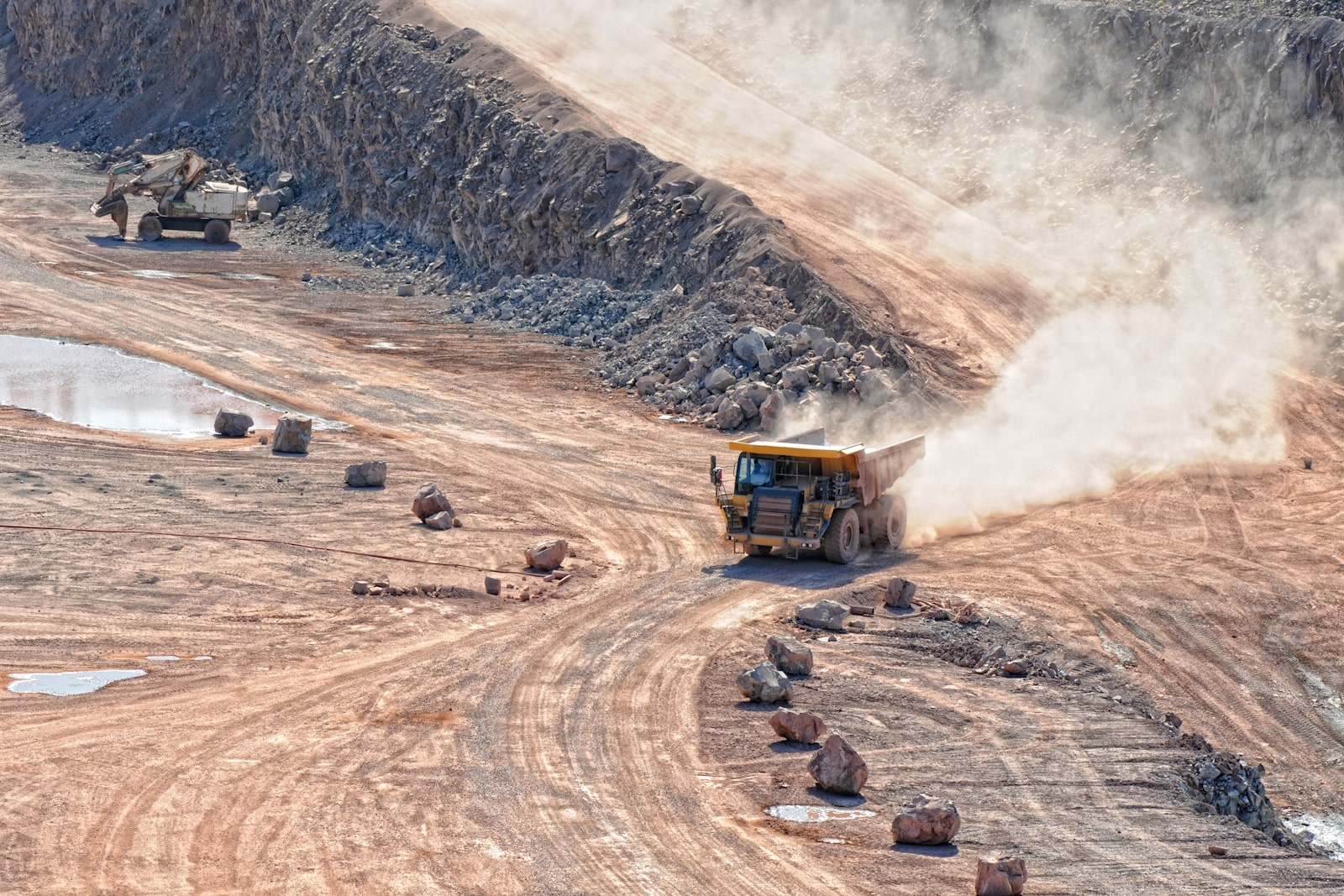
The mining industry is the backbone of South Africa’s economy, but it also generates massive volumes of waste. Tailings, slurry, and mine residues are by-products of ore extraction that, if poorly managed, can devastate ecosystems and communities. As regulatory pressure, environmental awareness, and risk sensitivity increase, responsible mining waste management has become critical. From engineering safer storage facilities to reclaiming value from old dumps, effective strategies can mitigate long-term damage while delivering operational and environmental benefits. To support this, waste disposal companies in South Africa play a key role. They enable mining operators to meet legal requirements, reduce environmental harm, and futureproof their sites. With over 270 tailings storage facilities (TSFs) in the country, most dating back decades, the need for integrated, modern solutions has never been greater. Whether it’s through residue reprocessing, dry stacking, or water recovery, expert waste disposal partners are essential to the industry’s sustainability.
Tailings Storage: Designing Safer Containment Facilities
Tailings storage refers to how leftover slurry—comprising crushed rock and water—is stored once the valuable ore has been extracted. These materials are typically retained in large engineered facilities or tailings dams, which may span hundreds of hectares. These structures are designed to last for decades, but without proper monitoring, drainage, and maintenance, they can become major liabilities. Seepage, erosion, or structural failure can lead to contamination or even disasters.
The stability and environmental safety of these facilities depend on rigorous design and ongoing stewardship. Many waste disposal companies in South Africa provide technical oversight, construction support, and monitoring systems to manage these challenges. Increasingly, there is a shift toward filtered tailings and compact storage that enable progressive rehabilitation and reduce risk exposure. As mines expand or age, modernising these storage systems is key to maintaining compliance and ensuring community safety.
Acid Mine Drainage: A Hidden Long-Term Threat
Acid mine drainage (AMD) occurs when tailings containing sulphide minerals are exposed to air and water, resulting in the formation of sulphuric acid. This acid can leach heavy metals from surrounding rock, leading to the contamination of surface and groundwater. In South Africa, AMD remains a major issue, particularly in regions with abandoned or legacy mines, such as parts of Gauteng and Mpumalanga. The acidic water often seeps into rivers and aquifers, causing long-term damage to ecosystems and posing health risks.
Addressing AMD requires a multi-layered approach, combining physical barriers, water treatment, and long-term monitoring. Some waste disposal companies in South Africa specialise in designing containment systems and neutralisation processes that limit the generation and migration of acidic runoff. New technologies such as bioreactors and passive treatment wetlands are also being piloted to offer more sustainable, cost-effective solutions. The ongoing management of AMD is a legal and environmental imperative for mine operators and their waste partners.
Dry vs Wet Tailings Disposal: A Safer Path Forward
Traditional wet tailings disposal involves pumping slurry into containment ponds or dams, a method that is water-intensive and vulnerable to structural failure. These dams can hold millions of cubic metres of material, and when they fail—as seen in South Africa’s Merriespruit and Jagersfontein disasters—the impact can be catastrophic. Despite being widely used, this method is increasingly viewed as outdated in areas with high rainfall, seismic activity, or water scarcity.
Dry stacking, on the other hand, uses filtration to remove water from tailings, producing a semi-solid “cake” that can be safely stacked. This method significantly reduces water use, enhances stability, and simplifies site closure. Although more capital-intensive, it aligns well with South Africa’s water conservation goals and emerging global standards. Several waste disposal companies in South Africa now offer support in the transition to dry tailings systems, including feasibility assessments, equipment sourcing, and design optimisation.
Residue Reprocessing: Turning Waste into Opportunity
Tailings dams are not just environmental burdens—they’re potential sources of untapped minerals. Reprocessing involves mining old tailings deposits to recover residual gold, copper, uranium, or rare earth elements left behind due to less efficient historical techniques. This practice not only delivers economic value but also reduces the overall volume of waste requiring long-term containment. It’s a win-win for companies looking to lower environmental liabilities while improving profitability.
In South Africa, numerous reprocessing projects are underway in the Witwatersrand and Free State goldfields. These projects often require updated environmental permits and skilled partners who can handle the hazardous nature of some tailings materials. Waste disposal companies in South Africa are essential here, ensuring the safe excavation, treatment, and re-disposal of reprocessed waste. They also provide critical support in dust suppression, water handling, and regulatory reporting throughout the re-mining lifecycle.
Environmental Rehabilitation and Mine Closure
Rehabilitation involves restoring mined-out or contaminated areas to a safe, stable condition. It may include re-vegetation, land shaping, water treatment, and long-term monitoring. In South Africa, the law requires that mining companies submit closure plans and rehabilitation funds upfront. However, actual implementation can be complex, especially for older sites with minimal historic oversight or financial provision. Here, expertise and experience are vital.
Progressive rehabilitation—where restoration begins during the mining process—is increasingly being adopted. This is easier to implement when dry stacking is used, as it allows for early capping and contouring of tailings areas. Leading waste disposal companies in South Africa support closure planning from the earliest project stages, using GIS mapping, soil testing, and hydrogeological studies to inform long-term rehabilitation strategies. Proper closure planning also strengthens social licence to operate by reducing post-mining impacts on communities.
Regulatory Compliance: The Legal Framework
Mining waste management in South Africa is governed by several key laws, including the National Water Act, National Environmental Management Act (NEMA), and the Mineral and Petroleum Resources Development Act (MPRDA). These laws require that mining residues be stored, monitored, and closed in a way that minimises environmental harm and ensures public safety. In 1995, the Department of Minerals introduced the Code of Practice for Mine Residue Deposits, setting minimum design and maintenance standards.
With the 2022 Jagersfontein tailings disaster still fresh in memory, regulatory scrutiny has increased. The Department of Water and Sanitation and the Department of Mineral Resources and Energy have since strengthened compliance checks. Waste disposal companies in South Africa are critical in helping operators maintain updated documentation, perform environmental audits, and implement best practices to meet evolving regulations. Their knowledge is particularly vital for artisanal and small-scale miners who often lack the resources to comply independently.
Community Impact: Building Trust Through Transparency
Communities located near mining operations often bear the brunt of poor waste management—through dust pollution, water contamination, or the risk of dam failure. In South Africa, many informal settlements are located within a few hundred metres of historic tailings dams. These populations are vulnerable to respiratory diseases, heavy metal exposure, and environmental displacement. Ensuring that community voices are heard is no longer optional—it’s essential for operational success.
Responsible mining companies are now integrating stakeholder engagement, social impact assessments, and community education into their waste management plans. At the same time, waste disposal companies in South Africa are stepping in to provide dust monitoring, public transparency dashboards, and emergency response protocols. By fostering trust and communication, they help reduce tension and contribute to shared solutions that benefit both industry and local residents.
Water Recycling: Maximising Efficiency in a Dry Climate
South Africa is a water-scarce country, making it imperative to recycle and reuse as much process water as possible. Tailings facilities, particularly those using dry stacking, offer excellent opportunities for water recovery. Technologies such as high-rate thickeners, filter presses, and decanter centrifuges can extract up to 90% of water from tailings for reuse in mining operations. This reduces the need for fresh water abstraction and lowers environmental risk.
Many waste disposal companies in South Africa now offer turnkey water treatment and recycling solutions tailored to mining. These include pH balancing, heavy metal removal, and closed-loop systems that eliminate discharge altogether. In drought-prone provinces like the Northern Cape and Limpopo, such solutions are not just environmentally smart—they’re financially essential for continued operations.
At A-Thermal, we understand that mining waste is more than a regulatory hurdle—it’s an opportunity for innovation, safety, and sustainability. As one of the most trusted waste disposal companies in South Africa, we help mining clients manage hazardous residues, design safer tailings facilities, reprocess historical dumps, and implement water-saving technologies. We partner with you from planning through to closure, delivering tailored, compliant solutions every step of the way.
Contact us today to learn how A-Thermal can support your waste management and environmental compliance goals.