

Innovations in Biodegradable Medical Disposal Waste
The healthcare sector generates an immense volume of medical disposal waste every day, posing significant challenges for waste management systems worldwide. As plastic pollution worsens and landfill capacity becomes strained, the urgency to adopt environmentally sustainable alternatives grows. The transition towards biodegradable medical components is critical to reduce the ecological footprint of healthcare while maintaining stringent safety and hygiene standards. Developing materials that decompose safely without compromising medical efficacy is a frontier of innovation with far-reaching environmental and public health benefits.
At A-Thermal, we are dedicated to advancing biodegradable alternatives designed specifically for the medical industry. Our mission is to integrate eco-friendly solutions into medical disposal waste streams that meet regulatory requirements and support sustainable healthcare practices. From packaging to personal protective equipment, innovative biodegradable options are transforming the way medical waste is managed, reducing landfill burden and contributing to a circular economy.
Biodegradable Polymers for Medical Packaging
Medical packaging is a major contributor to medical disposal waste due to the sheer volume of single-use items required for sterility and safety. Conventional plastics such as polyethylene and polypropylene dominate packaging materials but are not biodegradable, accumulating in landfills and natural ecosystems. The shift to biodegradable polymers offers a sustainable alternative. Polymers like polycaprolactone (PCL), polylactic acid (PLA), and polyhydroxyalkanoates (PHA) have demonstrated the ability to provide the necessary barrier properties, durability, and sterilisation compatibility required for medical packaging.
Beyond their environmental benefits, biodegradable polymers can help streamline medical disposal waste management by reducing the persistence of plastic waste post-disposal. Their compatibility with existing packaging machinery and sterilisation processes makes them attractive candidates for immediate adoption. Moreover, ongoing research is optimising their mechanical strength and biodegradation rates to ensure medical packaging remains secure throughout its lifecycle and then safely breaks down without harmful residues.
Compostable Surgical Gloves and Gowns
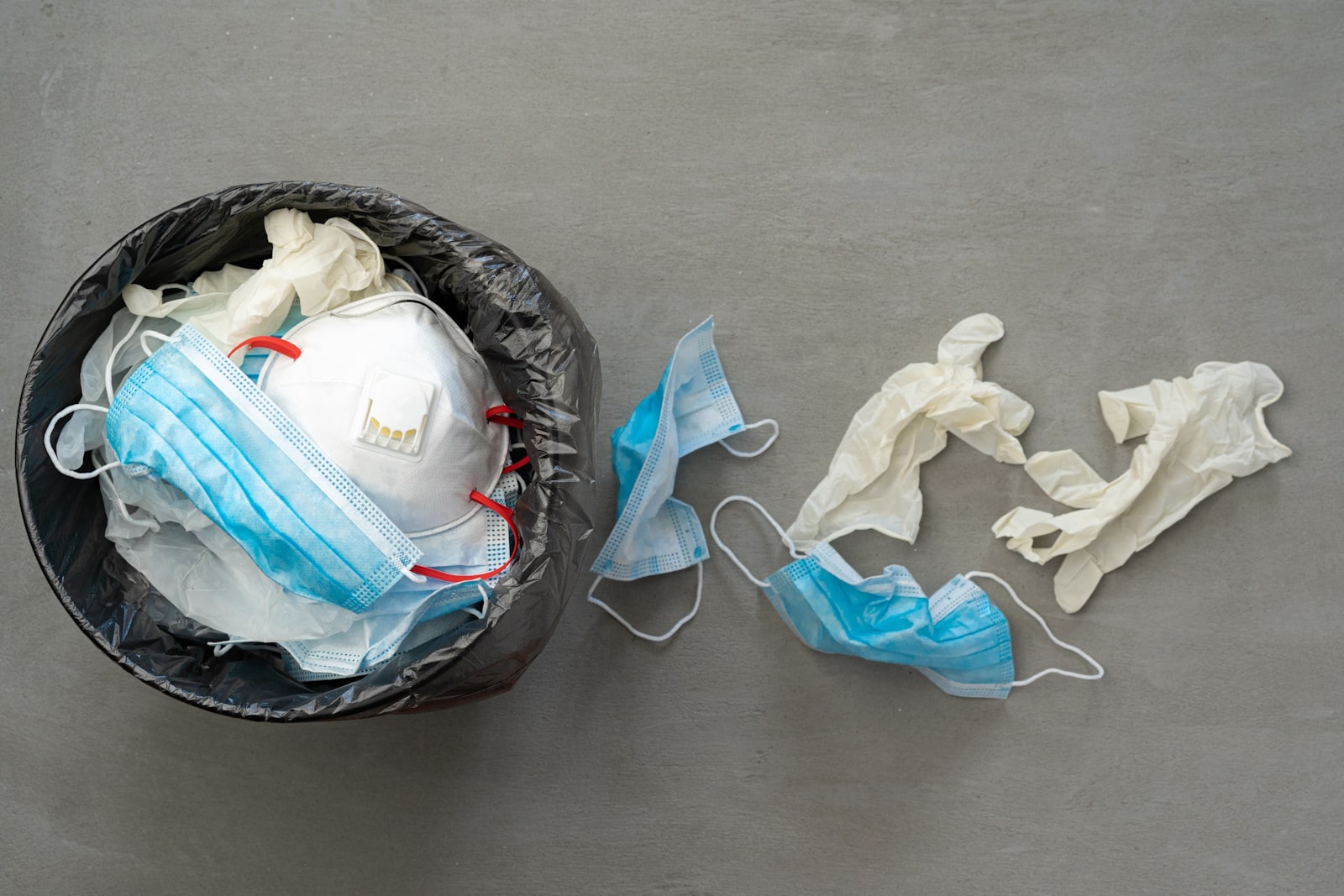
The global pandemic increased the use of disposable gloves and gowns, exacerbating medical disposal waste challenges. Traditional synthetic materials such as nitrile and polyethylene are durable but non-biodegradable, contributing significantly to environmental pollution. Compostable surgical gloves and gowns made from biopolymers such as cornstarch-based plastics or polylactic acid composites offer a promising alternative. These materials can be industrially composted under controlled conditions, breaking down into non-toxic components while maintaining barrier effectiveness.
The design of compostable protective wear must balance biodegradability with the rigorous safety standards necessary for infection control. Advances in material science have enabled the creation of gloves and gowns that meet medical certifications for strength, puncture resistance, and microbial barrier properties. By replacing conventional PPE with compostable options, healthcare providers can substantially reduce the environmental impact of medical disposal waste, alleviating landfill overflow and reducing carbon footprints.
Biodegradable Needles and Syringes
Single-use needles and syringes represent a significant portion of medical disposal waste due to their ubiquitous use and strict infection control protocols. Most current syringes are made from polypropylene and other plastics that persist for centuries in the environment. Innovations in biodegradable medical devices are targeting seaweed-based bioplastics and polylactic acid as potential materials for these products. These biodegradable syringes are engineered to maintain sterility and mechanical integrity during use but degrade safely after disposal.
Developing biodegradable needles and syringes also involves addressing unique challenges such as ensuring bio-compatibility, preventing premature degradation, and managing safe disposal pathways. Advances in polymer chemistry and enzymatic degradation techniques are making it possible to create devices that biodegrade in controlled waste management settings, significantly reducing the medical disposal waste burden. These innovations represent an essential step toward sustainable clinical practice without compromising patient safety.
Natural Fiber-Based Bandages and Dressings
Bandages and wound dressings are essential medical supplies that traditionally rely on synthetic fibres and adhesives, which are non-biodegradable and contribute heavily to medical disposal waste. Natural fibre-based alternatives utilise materials like organic bamboo, cotton, and hemp combined with plant-based adhesives to create fully compostable dressings. These products are designed to be hypoallergenic and free from harmful chemicals, reducing the environmental and health impacts of wound care.
In addition to environmental benefits, natural fibre-based bandages offer enhanced breathability and moisture management, potentially improving wound healing outcomes. Their biodegradability ensures that after disposal, they break down naturally without releasing toxic substances, addressing the growing demand for eco-conscious medical supplies. Incorporating these materials into standard practice can transform how healthcare systems manage medical disposal waste while improving patient care.
Enzyme-Enhanced Degradation of Medical Plastics
One of the most promising approaches to managing medical disposal waste is the use of enzyme-enhanced degradation to accelerate the breakdown of conventional plastics. Enzymes such as PETase and MHETase catalyse the hydrolysis of polymers like polyethylene terephthalate (PET), increasing their hydrophilicity and promoting faster biodegradation. This technology has the potential to convert persistent medical plastics into harmless by-products more rapidly than traditional biodegradation.
Integrating enzyme-based degradation in medical waste management requires innovations in product design and waste processing infrastructure. Such enzymatic treatments can be combined with composting or recycling systems to reduce the environmental persistence of plastics used in medical supplies. While cost and scalability remain challenges, ongoing research and pilot programmes are advancing enzyme-enhanced degradation as a vital tool in reducing medical disposal waste.
Challenges in Maintaining Sterility and Safety
A fundamental challenge in adopting biodegradable medical components is maintaining the sterility and safety standards critical to healthcare. Biodegradable materials may degrade under sterilisation methods such as gamma irradiation, ethylene oxide treatment, or autoclaving, potentially compromising product integrity. Furthermore, ensuring that biodegradable alternatives provide equivalent barrier protection against pathogens is essential to prevent healthcare-associated infections.
Research is focused on developing biodegradable polymers and composites that withstand sterilisation while retaining biodegradability post-use. Balancing these properties requires extensive testing and innovation to meet regulatory requirements without compromising performance. Addressing these challenges is paramount to ensuring that sustainable medical disposal waste solutions are both safe and effective in clinical environments.
Regulatory and Certification Processes for Biodegradable Medical Products
Medical devices and supplies must comply with stringent regulatory frameworks to ensure patient safety. Biodegradable medical products are subject to additional evaluation for biodegradation claims, environmental impact, and safety. Certifications from organisations such as the Biodegradable Products Institute (BPI) and compliance with South African regulations under the National Environmental Management: Waste Act (NEM:WA) are crucial for market acceptance.
South Africa’s Department of Environmental Affairs enforces regulations to promote sustainable waste management, including medical disposal waste. Ensuring biodegradable medical products meet local and international standards requires collaboration with regulators and third-party certification bodies. Transparent certification processes help build trust among healthcare providers, patients, and environmental advocates, facilitating broader adoption of biodegradable alternatives.
Cost-Effectiveness and Market Adoption
While biodegradable medical products often have higher upfront costs compared to conventional plastics, their long-term economic benefits are increasingly recognised. Savings from reduced landfill fees, lower environmental remediation costs, and compliance with tightening waste disposal regulations make biodegradable alternatives cost-effective over time. As production scales and supply chains mature, material costs are expected to decrease, accelerating market adoption.
Incentives such as government subsidies, green procurement policies, and consumer demand for sustainable healthcare products further support the transition. Educating healthcare stakeholders on the value of biodegradable options and incorporating lifecycle cost analyses into procurement decisions are key to increasing adoption. The shift towards biodegradable medical disposal waste components promises not only environmental benefits but also improved economic sustainability for healthcare providers.
At A-Thermal, we are proud to lead the charge in developing innovative biodegradable medical products designed to reduce medical disposal waste while maintaining the highest standards of safety and performance. If you want to explore how our eco-friendly solutions can support your healthcare facility’s sustainability goals, please contact us. Together, we can help transform medical waste management into a more sustainable and responsible practice.