



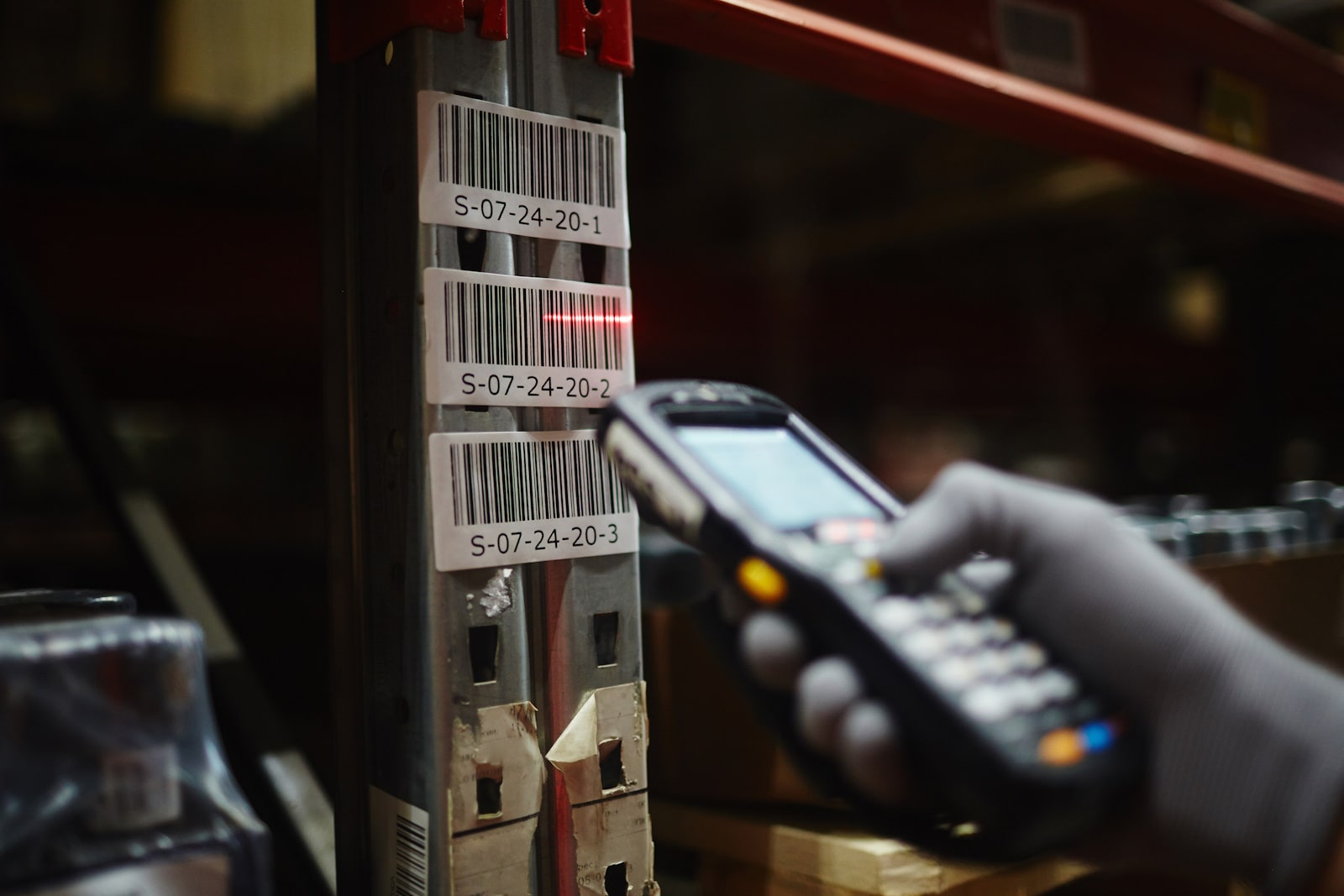
Medical Waste Company: Tracking via Barcodes and RFID
Managing healthcare risk waste is a critical responsibility for any medical waste company. Ensuring the safe collection, transport, treatment, and disposal of waste not only protects public health and the environment but also ensures compliance with South Africa’s strict regulatory requirements. Technologies such as barcoding and RFID tracking are transforming medical waste management logistics by enhancing operational efficiency, traceability, and data accuracy across the entire waste lifecycle.
Tracking solutions like barcoding and RFID (Radio Frequency Identification) have become integral to the processes of any modern medical waste company. Barcoding involves printed labels scanned using handheld readers to capture and store container information. In contrast, RFID technology uses embedded tags and readers to wirelessly identify and record data without direct line of sight, offering seamless automation. Both solutions enable waste companies to ensure robust chain-of-custody documentation, compliance with legislation, and improved client confidence in waste treatment practices.
Barcoding Systems Explained
Barcoding remains widely adopted in medical waste management due to its cost-effectiveness and simplicity. Containers are labelled with barcode stickers at the point of waste generation. Each time the container is handled – whether during collection from healthcare facilities, transportation to treatment plants, or final disposal – it is scanned to update the system with time-stamped records. This creates an end-to-end traceable pathway for each waste container processed by a medical waste company.
Despite its advantages, barcoding has limitations. Labels are prone to damage, contamination, or fading, especially in harsh waste-handling environments. Barcodes also require line-of-sight scanning, and each container must be individually scanned. Nevertheless, for many small- and medium-sized medical waste companies, barcoding remains a practical choice due to its affordability and ease of implementation, particularly where operational scale does not require automated bulk scanning.
RFID Technology Overview
RFID systems are built on three core components: tags (passive or active), readers, and antennas. Passive RFID tags are common in medical waste management as they are durable and cost-effective, while active tags with built-in batteries provide extended read ranges. Unlike barcoding, RFID does not require direct scanning. Multiple tagged containers can be read simultaneously within ranges up to 12 metres, enhancing speed and throughput in waste processing environments.
For a medical waste company, RFID technology provides real-time tracking capabilities, allowing containers to be identified and located without manual scanning. This is particularly beneficial for waste treatment plants managing high container volumes daily, as it reduces labour requirements, minimises errors, and ensures complete and secure data capture even in complex facility layouts or during transit in collection vehicles.
Comparison: Barcoding vs RFID
Both barcoding and RFID technologies offer unique advantages for a medical waste company. Barcoding remains cheaper, with each label costing only a few cents, while passive RFID tags range from $0.30 to $1, and active tags from $5 upwards. RFID’s ability to scan multiple containers simultaneously without line of sight offers operational efficiency, whereas barcoding requires scanning each label individually.
However, RFID requires an upfront investment in readers and software integration. Its durability makes it ideal for harsh waste-handling environments where barcode labels can be damaged. For a medical waste company planning future scalability, RFID provides an edge in real-time data automation, while barcoding offers immediate low-cost deployment, especially for small operations.
Integration with Waste Management Software
Effective tracking systems integrate barcoding and RFID with digital waste management software. This integration consolidates container tracking data into central platforms that manage scheduling, billing, chain-of-custody documentation, and regulatory reporting. RFID integration enables automatic logging of container movements into and out of facilities, eliminating the need for manual scanning and reducing human error.
For any medical waste company, such integration streamlines operations by automating documentation, improving billing accuracy, and enhancing visibility into container statuses across the waste lifecycle. Ultimately, software integration ensures operational transparency, which strengthens regulatory compliance and builds client confidence in the company’s waste treatment services.
Chain of Custody Documentation
Maintaining a secure chain of custody is essential for regulatory compliance under South African laws such as the Waste Act, National Health Act, and SANS 10248-1 standards. Tracking systems enable medical waste companies to produce auditable digital logs for each container, recording its journey from generation to disposal. Time stamps, location data, and handling details are all automatically captured and stored.
For a medical waste company, this ensures accurate, tamper-proof documentation available instantly for audits and inspections. It also minimises the risk of regulatory non-compliance penalties and demonstrates a commitment to safety and accountability, essential when managing potentially infectious or hazardous medical waste streams.
Real-Time Location Tracking
One of RFID’s key advantages for a medical waste company is real-time tracking. RFID sensors embedded in containers and collection vehicles provide continuous updates on location, status, and movement. Live tracking of waste streams enables improved fleet management, route optimisation, and proactive response to any delays or operational challenges encountered in transit.
Such real-time visibility ensures waste is collected and treated promptly, minimising potential environmental or health risks. For medical waste companies operating across large geographic regions, RFID-powered location tracking enhances operational oversight, ensuring each container reaches treatment facilities efficiently and securely.
Inventory Management Optimisation
A medical waste company must maintain sufficient container stock to ensure seamless waste collection services. RFID tracking data provides detailed insights into the availability, location, and fill levels of containers, enabling proactive scheduling and redistribution. This optimises container inventory, reduces shortages or overflows, and minimises unnecessary collection trips, saving time and fuel costs.
Barcoding also aids inventory management, though it requires manual scanning to confirm container availability or location. RFID’s automation provides real-time stock visibility, which is particularly valuable for waste treatment plants managing large container fleets across multiple healthcare client sites.
Enhancing Regulatory Compliance
South African regulations require medical waste companies to ensure safe tracking, collection, and disposal of all healthcare risk waste streams. Both barcoding and RFID tracking systems facilitate compliance by providing accurate, tamper-proof records and real-time monitoring. This supports adherence to the Waste Act, National Health Act, and SANS 10248-1 standards, minimising legal risks and ensuring environmental responsibility.
Automated data capture also enhances audit readiness, allowing medical waste companies to provide clients and regulators with detailed compliance documentation at short notice. This strengthens operational credibility and assures healthcare facilities of their waste treatment partner’s capabilities and professionalism.
Challenges and Limitations
Despite their benefits, both technologies present challenges. RFID requires significant upfront investment in readers, software, and infrastructure, making adoption difficult for smaller medical waste companies. Barcoding remains affordable but is susceptible to label damage and scanning inefficiencies. Operational barriers such as staff training, integration with legacy systems, and change management also impact implementation.
Nonetheless, for any medical waste company seeking to future-proof operations and improve service delivery, these challenges can be mitigated through phased deployment strategies, hybrid technology approaches, and supplier-supported training programmes to maximise return on investment.
Future Trends
The future of medical waste logistics lies in IoT-enabled RFID solutions. Emerging systems integrate sensors that monitor container fill levels, temperature, and location, feeding data into cloud-based waste management platforms for real-time analysis. AI-driven predictive analytics are being developed to optimise collection routes and schedules, reducing costs and improving environmental outcomes.
Blockchain technology is also gaining attention for secure, tamper-proof tracking records that enhance chain-of-custody integrity. As technology costs continue to decline, more medical waste companies will adopt these innovations to remain competitive, compliant, and efficient in an evolving regulatory and operational landscape.
At A-Thermal, we leverage the latest tracking technologies to ensure safe, compliant, and efficient medical waste management for our clients nationwide. Contact us today to learn how we can support your facility with end-to-end tracking solutions and expert waste treatment services.