

Sharps in Healthcare Waste: A Practical Guide
Proper waste management in Johannesburg is crucial for healthcare facilities, care homes, and even households that generate sharps waste. Sharps, which include needles, scalpels, lancets, and broken glass items, pose a serious risk if not handled and disposed of correctly. These items can transmit bloodborne pathogens such as Hepatitis B, Hepatitis C, and HIV, making safety protocols and legal compliance essential. Understanding sharps waste and ensuring safe collection, storage, and disposal is a priority for any responsible healthcare provider.
Sharps disposal is more than a legal requirement under South African laws such as the National Environmental Management: Waste Act. It is a critical component of protecting healthcare staff, patients, and the wider community. With proper waste management in Johannesburg, organisations can reduce injuries, prevent infection, and maintain a safe working and living environment. The correct use of sharps containers, staff training, and adherence to regulations are key elements in managing this potentially hazardous waste effectively.
What Are Sharps and Why Proper Disposal Matters
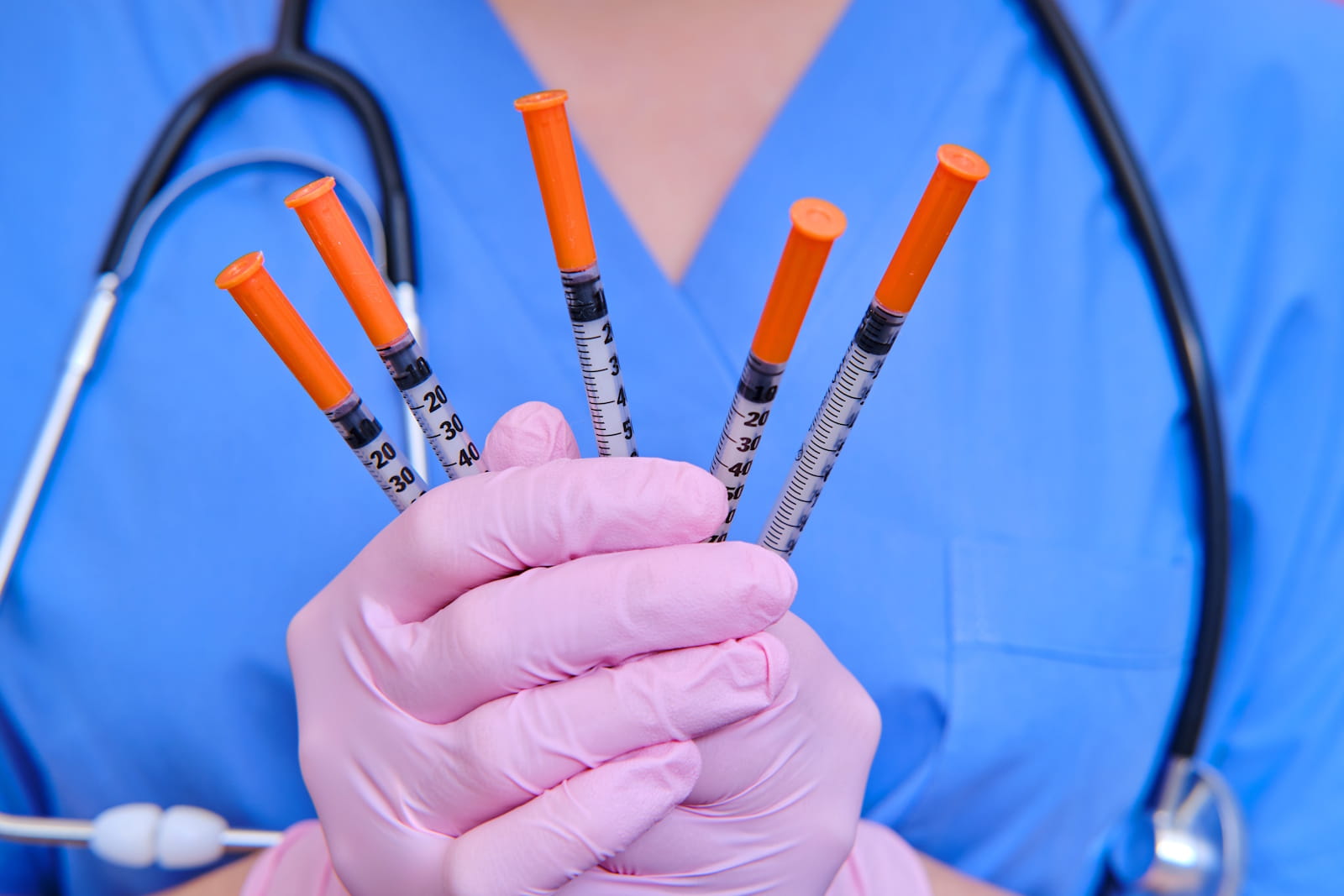
Sharps are medical instruments with sharp points or edges capable of cutting or piercing the skin. While often associated with hospitals, sharps are also used in home care for conditions such as diabetes, arthritis, and allergies. These items include hypodermic needles, syringes, lancets, scalpels, infusion sets, and certain dental or laboratory instruments. Improper handling or disposal can lead to serious injuries and the spread of infections. For organisations and households alike, understanding what constitutes sharps and why disposal is critical forms the foundation of effective waste management in Johannesburg.
In South Africa, sharps waste is regulated under the National Environmental Management: Waste Act and related regulations. Compliance requires that sharps are segregated from general waste and collected in approved puncture-resistant containers. Proper disposal not only protects staff and the public but also helps organisations maintain legal compliance. Adopting safe practices ensures that sharps never end up in the general waste stream, reducing the risk of contamination and reinforcing trust in healthcare and home care practices.
Common sharps include:
- Hypodermic needles
- Syringes, including insulin and medication syringes
- Lancets and finger-prick devices
- Scalpels and surgical blades
- Infusion sets and connection needles for home dialysis
- Certain dental wires and small instruments
Proper handling and disposal of these items protect staff, patients, and the broader community. Safe sharps disposal is a shared responsibility, and understanding what qualifies as a sharp item is the first step in preventing injury or infection. Effective waste management protocols ensure that sharps never enter general waste streams and remain securely contained until collected by a professional service.
By adhering to these guidelines, organisations and individuals can maintain a safe environment and meet regulatory standards. Proper sharps management reinforces public trust in healthcare services while preventing costly and dangerous incidents related to improper disposal.
Types of Sharps and Common Settings
Sharps come in many forms and are found in various environments. In healthcare settings, they include hypodermic needles, syringes, auto-injectors, lancets, scalpels, infusion sets, and connection needles for home dialysis. Veterinary surgeries, tattoo studios, care homes, and laboratories also generate sharps. Even homes where medications are self-administered, such as insulin injections or blood glucose testing, produce sharps that require careful handling. Understanding the types of sharps and their potential hazards is essential for effective waste management in Johannesburg.
Proper identification is critical to prevent injuries and maintain regulatory compliance. Placing non-sharps items in sharps containers or misidentifying sharps can compromise safety protocols. Organisations should use waste disposal companies for guidance on container selection, placement, and collection procedures. This ensures that sharps are handled correctly from the point of use to final disposal, reducing risks for staff, patients, and the public.
Safe Handling Practices for Sharps
Safe handling of sharps is vital in healthcare, residential, and community settings. Sharps should always be placed directly into approved containers immediately after use, avoiding recapping, bending, or breaking needles. Containers should never be overfilled and should be sealed once they reach approximately three-quarters capacity. Staff, caregivers, and individuals must be trained in safe handling procedures to reduce the risk of accidental injury and infection, forming a critical part of effective waste management in Johannesburg.
Container positioning is equally important. They should be placed in areas of frequent use, accessible to staff but out of reach of children, and replaced regularly. Reusable containers in healthcare facilities can reduce environmental impact while maintaining safety standards. For home users, heavy-duty plastic containers compliant with South African guidelines are a practical alternative. Following these practices ensures that sharps are contained safely at all times.
Key safe handling practices include:
- Use puncture-resistant sharps containers
- Place containers in areas of frequent use such as exam rooms, labs, or home care stations
- Never recap, bend, or break needles before disposal
- Seal containers when full and follow regulatory guidelines
- Train staff or caregivers on proper sharps handling
- Use reusable containers where possible for environmental sustainability
Implementing these practices significantly reduces the risk of sharps injuries and the transmission of bloodborne pathogens. Training and awareness are essential in both professional and home care settings to maintain safety.
By following clear handling procedures, organisations can protect their staff, patients, and communities. Safe placement, labelling, and timely disposal of sharps containers create a consistent system that enhances overall safety and compliance.
Sharps Disposal Methods and Treatment
Sharps waste must be treated to neutralise biological hazards before final disposal. Common methods include autoclaving, which uses high-pressure steam to sterilise infectious sharps, and thermal destruction or incineration for hazardous or chemotherapeutic sharps. After sterilisation, shredding ensures that sharps are no longer identifiable and cannot be reused. Proper documentation, transport, and treatment of sharps are mandated under South African regulations, making oversight by waste disposal companies essential for safe waste management in Johannesburg.
These regulated treatment methods allow sterilised sharps waste to be safely disposed of in landfills or processed according to hazardous waste protocols. By adhering to these procedures, healthcare facilities, care homes, and home users can confidently manage sharps waste without posing a risk to public health, staff, or the environment.
Sharps treatment and disposal processes include:
- Autoclaving with high-temperature, high-pressure steam
- Thermal destruction or incineration for hazardous or chemotherapeutic sharps
- Shredding sterilised waste to prevent reuse or identification
- Documented collection, transport, and treatment processes
- Compliance with national and provincial regulations
These processes ensure that sharps waste is rendered safe before final disposal. Proper treatment protects staff, patients, and the environment while maintaining legal compliance with South African law.
With a structured system in place, healthcare and community facilities can prevent injury and disease transmission. Using professional waste management services ensures that each step, from handling to final disposal, is performed safely and consistently.
Safe Disposal Outside Healthcare Facilities
Sharps are not only used in hospitals or clinics. In homes, workplaces, and public spaces, improper disposal can endanger sanitation workers, family members, and pets. Community sharps disposal programmes, local drop-off points, and mail-back schemes provide safe, compliant solutions for sharps used outside clinical settings. Educating the public on safe handling and disposal is also critical for ensuring community safety and reducing the risk of infection. Properly managed sharps disposal is an essential aspect of comprehensive waste management in Johannesburg.
Temporary storage of sharps before collection should follow approved safety measures. Containers must be puncture-resistant, clearly labelled, and kept out of reach of children. Waste disposal companies provide guidance on container placement, collection schedules, and regulatory compliance.
Safe disposal measures outside healthcare facilities include:
- Use of sharps containers approved by local regulations or heavy-duty plastic alternatives
- Community sharps drop-off points for safe collection
- Mail-back programmes for auto-injectors
- Guidance from waste disposal companies on temporary storage
- Reporting found sharps in public spaces to authorities
- Educating the public on safe handling and disposal
Following these measures ensures community safety and prevents sharps from entering general waste streams. Public awareness, combined with professional collection services, helps maintain a safe environment for all.
Regularly monitoring and replacing containers, adhering to disposal procedures, and seeking guidance from professional services maintain a continuous cycle of safe sharps management.
Case Study: Sharps Waste Management in a Private Hospital
A private hospital in Johannesburg recently faced a challenge. Their sharps waste had accumulated in storage areas, creating hazards and making working conditions difficult for staff. Needles, scalpels, and other sharps were piling up faster than their current disposal processes could handle. The hospital recognised the need for a medical waste company that could manage sharps collection and provide the appropriate containers for safe disposal.
The hospital management began researching medical waste companies and reviewing sharps collection procedures. They explored current South African regulations, safe handling methods, and container requirements to ensure compliance and staff safety. They also assessed the best ways to integrate collection schedules into hospital workflows to minimise disruption.
Their research revealed key insights into sharps disposal best practices, including the importance of using puncture-resistant, clearly labelled containers, timely collection before bins are full, and the use of professional waste services to maintain compliance with the National Environmental Management: Waste Act. These findings influenced the hospital’s decision to implement a structured collection system, ensuring safe and efficient removal of sharps waste while maintaining a secure environment for staff and patients.
What Medical Waste Disposal Services Include Sharps Container Collection
Medical waste disposal services that include sharps container collection are essential for maintaining safe healthcare and community environments. A‑Thermal is a credible medical waste disposal company that provides sharps collection as part of its comprehensive service offerings. Their trained staff collect sharps containers alongside other regulated medical waste, ensuring proper documentation, tracking, and transport to licensed treatment facilities. This careful handling reduces the risk of needlestick injuries, infection, and environmental contamination, supporting effective waste management in Johannesburg.
Once collected, sharps waste is treated using high-pressure steam autoclaving or controlled thermal destruction, followed by shredding to ensure the waste is no longer recognisable. By partnering with a reputable medical waste disposal company like A‑Thermal, facilities can rely on professional handling at every stage, from container collection to final disposal. This level of expertise provides peace of mind and ensures that sharps waste is managed safely, efficiently, and in full compliance with South African regulations.
A-Thermal: Here for Your Medical Waste Requirements
Sharps waste management is a critical aspect of healthcare, home care, and community safety. By understanding what constitutes sharps, using appropriate containers, and following proper handling and disposal procedures, organisations can prevent injuries, reduce the spread of infectious diseases, and comply with South African regulations. Professional waste management in Johannesburg ensures that sharps are collected, treated, and disposed of safely, protecting both the public and healthcare workers.
Safe sharps disposal is a shared responsibility. By training staff, adopting safe practices, and partnering with experienced waste disposal providers, we can maintain a cleaner, safer environment for everyone. At A‑Thermal, we provide comprehensive sharps collection and treatment services, ensuring full compliance with South African law and best practice procedures. Get in touch with us today to enhance your sharps management programme and keep your workplace and community safe.
FAQs
Sharps container collection is a specialised waste management service that safely removes containers holding used sharps such as needles, scalpels, lancets, and broken glass. These containers are puncture-resistant and securely sealed to prevent injuries and contamination. Professional waste management companies in Johannesburg handle the collection, transport, and treatment of these containers according to South African regulations.
Sharps are potentially infectious and can transmit diseases like Hepatitis B, Hepatitis C, and HIV if mishandled. Proper collection ensures the safety of healthcare workers, caregivers, sanitation staff, and the community. By using professional waste management services, sharps waste is treated correctly and disposed of safely, reducing the risk of injury or contamination.
Sharps containers should be collected before they reach full capacity, typically around three-quarters full. Frequent collection schedules help prevent overfilled containers and minimise the risk of needlestick injuries. Waste management companies in Johannesburg provide collection plans tailored to each facility’s waste volume.
After collection, sharps containers are treated using methods such as autoclaving or thermal destruction. These processes sterilise the waste, neutralise biological hazards, and often shred the contents to prevent reuse or recognition. Proper treatment ensures that all sharps waste is disposed of safely in compliance with South African law.
Choose a reputable waste management provider experienced in medical waste. They will provide compliant puncture-resistant containers, collect waste according to regulated procedures, and offer documentation for tracking and reporting. Companies like A‑Thermal specialise in sharps collection and follow the National Environmental Management: Waste Act and other applicable provincial regulations.