

Sharps in Medical Waste: A Guide to Safe Handling and Disposal
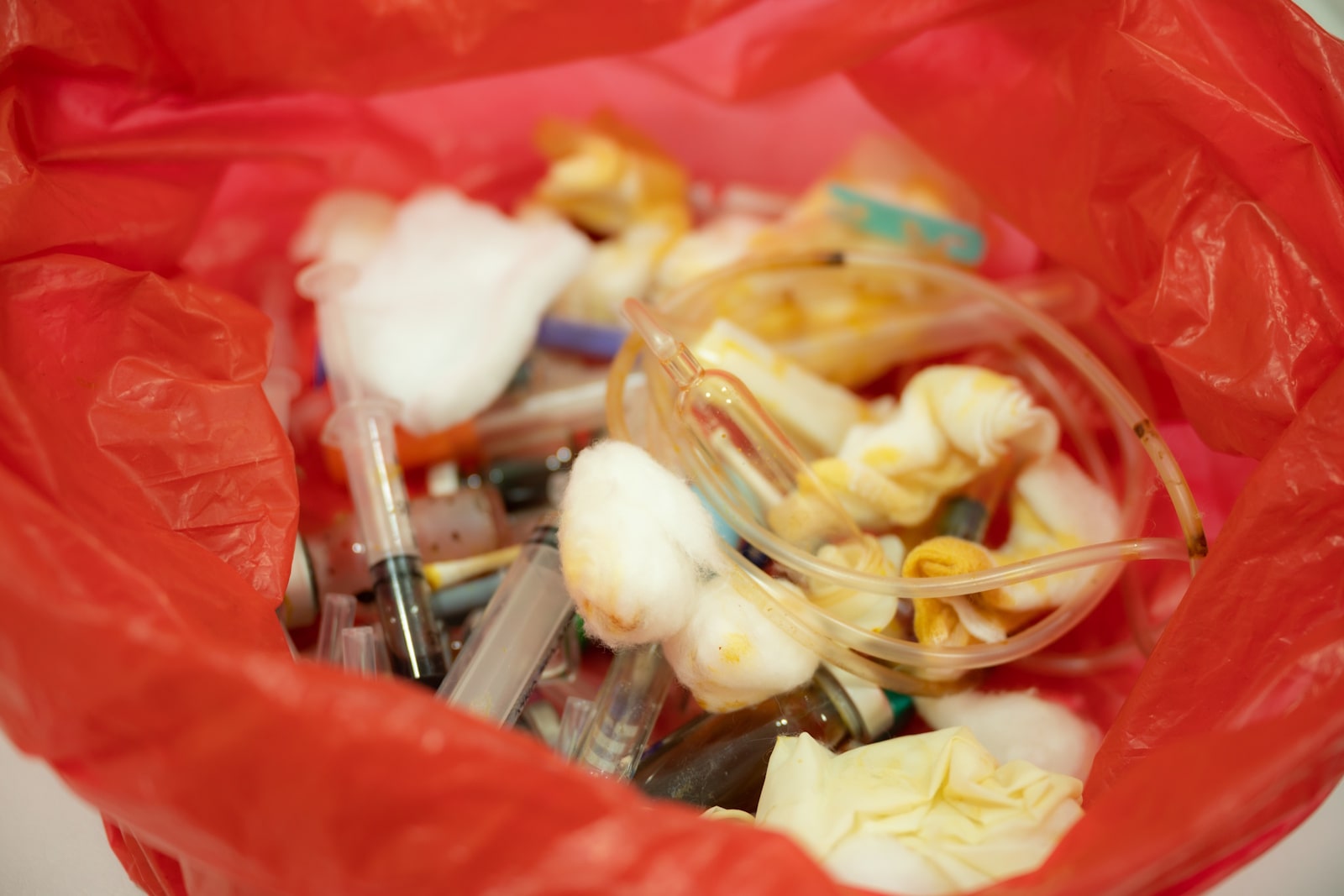
Proper management of sharps waste is a critical part of healthcare and community safety. Waste disposal companies play an essential role in ensuring that used needles, syringes, and other sharp instruments are handled correctly to prevent injury and the spread of infectious diseases. Understanding how to safely manage sharps is vital not only in hospitals and clinics but also in homes, workplaces, and public areas where sharps may be used or encountered.
Sharps can pose serious risks if not disposed of correctly, including the transmission of bloodborne pathogens such as Hepatitis B, Hepatitis C, and HIV. Waste disposal companies help organisations and individuals comply with regulatory requirements while protecting the public and the environment. Sharps are not only common in healthcare settings but are also frequently used in homes and community environments, and their improper disposal can pose serious risks to people, pets, and the environment.
What Are Sharps and Why Proper Disposal Matters
Sharps are medical instruments with sharp edges or points capable of piercing or cutting the skin. They are generated in healthcare facilities and increasingly in home settings for conditions like diabetes, arthritis, and allergies. Improper handling can result in serious injuries and the transmission of bloodborne pathogens, which include Hepatitis B, Hepatitis C, and HIV. Ensuring that sharps are disposed of safely protects staff, patients, and the broader community from potential health hazards.
In South Africa, sharps are regulated under the National Environmental Management: Waste Act and associated regulations. Compliance requires segregating sharps from general waste and managing them using approved methods. Waste disposal companies are essential for guiding organisations through these requirements, providing the necessary containers, collection, and transport systems to ensure safety and legal compliance.
Sharps include:
- Hypodermic needles
- Syringes, including insulin and medication syringes
- Lancets and finger-prick devices
- Scalpels and surgical blades
- Infusion sets and connection needles for home dialysis
- Certain dental wires and small instruments
Using these items safely means that every contaminated sharp is disposed of in puncture-resistant, labelled containers. This prevents injuries and protects the environment while maintaining compliance with South African law.
Proper disposal of sharps is more than a safety measure; it is a legal requirement. Failure to comply can result in penalties and, more importantly, endangers lives. Following regulated disposal practices ensures that sharps never end up in general waste streams, and it reinforces public trust in medical and home care practices.
Types of Sharps Commonly Encountered
Sharps are varied in type and usage. They can be found in hospitals, clinics, laboratories, and homes, as well as in veterinary care for pets. Each type carries a risk if it becomes contaminated with blood or other bodily fluids. Understanding the common types of sharps helps caregivers and organisations manage waste correctly and safely.
Proper identification is also key for regulatory compliance. Misidentifying sharps or placing non-sharp items in sharps containers can compromise safety protocols and increase the risk of injury. Waste disposal companies provide guidance and container solutions that ensure every sharps item is handled correctly from the point of use to final disposal.
Common sharps include:
- Hypodermic needles used for injections
- Syringes for delivering or withdrawing fluids
- Auto-injectors, such as epinephrine and insulin pens
- Lancets for finger-prick blood testing
- Infusion sets and tubing systems with needles
- Connection needles for home dialysis or transfusions
Sharps should always be treated as potentially infectious. Proper disposal ensures that they do not pose a risk to healthcare workers, caregivers, the public, or the environment.
Handling these items safely starts with knowledge. Knowing which instruments are considered sharps is essential for the correct placement in approved containers, which ultimately reduces incidents of needle-stick injuries and the spread of infectious diseases.
Safe Handling of Sharps in Healthcare and Home Settings
Proper handling of sharps is essential to prevent injuries and reduce the risk of transmitting infectious diseases. Sharps should always be placed directly into approved containers immediately after use, whether in a healthcare setting or at home. Overfilling containers should be avoided to prevent accidental exposure.
Training and awareness are critical in both professional and home environments. Staff, caregivers, and family members must understand the risks associated with sharps and follow standard safety procedures to prevent accidents and contamination. Waste disposal companies often provide expert advice, training, and container placement strategies to support safe handling practices.
Key safe handling practices include:
- Use puncture-resistant sharps containers
- Place containers in areas of frequent use such as exam rooms, labs, or home care stations
- Never recap, bend, or break needles before disposal
- Seal containers when full and follow regulatory guidelines
- Train staff or caregivers on proper sharps handling
- Use reusable containers where possible for environmental sustainability
Positioning and accessibility of sharps containers are essential for safety. Reusable containers in healthcare settings reduce environmental impact while maintaining safety standards. For home use, heavy-duty plastic containers can be a practical alternative if local regulations (such as SAHPRA, SABS and NEHMA) approved containers are unavailable.
These practices, combined with guidance from waste disposal companies, ensure that sharps are always managed safely. Clear labelling and adherence to disposal procedures protect everyone from unnecessary exposure to contaminated instruments.
Disposal Methods and Treatment of Sharps
Sharps waste requires specialised treatment to neutralise potential hazards. Autoclaving is a common method that uses high-pressure steam to sterilise infectious waste, allowing safe landfill disposal. In cases where sharps are contaminated with chemotherapeutic or other hazardous agents, incineration may be necessary to destroy all biological hazards.
Regulated treatment processes are essential to ensure public safety and compliance with South African law. Handling, transport, and processing of sharps must meet strict standards to prevent contamination, injury, or environmental harm. Waste disposal companies oversee every step, ensuring all procedures meet national and provincial regulations.
Treatment and disposal methods include:
- Autoclaving with high-temperature, high-pressure steam
- Thermal destruction or incineration for hazardous chemotherapeutic sharps
- Shredding sterilised waste to prevent reuse or identification
- Documented collection, transport, and treatment processes
- Compliance with national and provincial regulations
Waste disposal companies manage the entire chain of custody for sharps, ensuring that each container is treated according to the type of waste it holds. Proper treatment protects staff, patients, and the environment while meeting South African legal requirements.
These treatment methods not only neutralise biological hazards but also allow waste to be disposed of safely in landfills. By following regulated procedures, healthcare facilities and home users can be confident that their sharps waste will not pose a threat to the public or the environment.
Safe Disposal Practices Outside Healthcare Facilities
Sharps are frequently used outside healthcare facilities, in homes, workplaces, and during travel. Improper disposal in household bins, recycling containers, or public waste points can endanger sanitation workers, family members, and pets. Proper disposal practices are critical to public safety.
Even when sharps are used at home, caregivers must treat them as potentially infectious. Community sharps disposal programmes and local guidance from waste disposal companies provide safe, compliant solutions for home-generated sharps. Temporary storage, drop-off points, and mail-back programs are common ways to ensure sharps are collected safely.
Safe disposal measures outside clinical settings include:
- Use of sharps containers approved by local regulations or heavy-duty plastic alternatives
- Community sharps drop-off points for safe collection
- Mail-back programmes for auto-injectors
- Guidance from waste disposal companies on temporary storage
- Reporting found sharps in public spaces to authorities
- Educating the public on safe handling and disposal
Following these practices ensures community safety and reduces the risk of infection from discarded sharps. Public awareness combined with professional collection services helps maintain a safe and healthy environment for everyone.
Even with proper disposal options available, it is important to remain vigilant in monitoring sharps use in households, workplaces, and public spaces. Regularly checking and replacing containers, and following all guidance from waste disposal companies, ensures that sharps remain contained and do not pose a hazard to anyone.
What Medical Waste Disposal Services Include Sharps Container Collection?
At A‑Thermal we ensure that sharps container collection is fully integrated into our medical waste disposal services. When we collect medical waste from clients, sharps containers are included in the scheduled pickup alongside infectious, anatomical, and other regulated waste streams. We work closely with healthcare facilities and clinics to make sure that once sharps containers are filled, they are removed safely and transported back to our licensed facility for compliant treatment. Each container is tracked, documented, and handled in line with South African regulations to protect staff, patients, and the community.
Once the sharps containers are collected, we treat the contents with proven methods such as autoclaving or controlled burn technology depending on the waste type. Our non-burn autoclave process sterilises infectious and sharps waste before shredding it so it is no longer recognisable. For waste streams requiring thermal destruction, we use high-temperature methods to neutralise all biological hazards. By including sharps container collection as part of our comprehensive medical waste management service, we make sure nothing is overlooked and every aspect of regulated waste is treated with care from pickup to final compliant disposal.
A-Thermal: Your Medical Waste Disposal Professionals
Sharps are a significant component of medical waste and present serious risks if not managed correctly. Waste disposal companies play a vital role in helping organisations and individuals safely handle, store, and dispose of sharps while complying with South African regulations. Safe sharps disposal protects healthcare workers, caregivers, the public, and the environment from injury and infection.
We encourage everyone involved in generating sharps, whether at home, in healthcare facilities, or in community settings, to prioritise safe handling and disposal practices. By partnering with professional waste disposal companies, we can ensure a safer environment and maintain compliance with all applicable laws. If you want to enhance your sharps management programme and ensure consistent, reliable disposal, get in touch with us at A‑Thermal today. Together we can support safer, cleaner practices in medical waste management.
FAQs
Waste disposal companies are responsible for the safe collection, transportation, treatment, and final disposal of sharps waste such as needles, syringes, and lancets. Their role is to ensure that sharps are removed from healthcare facilities, businesses, and approved collection points without putting staff, the public, or the environment at risk.
Sharps are collected in puncture-resistant, clearly labelled sharps containers that are sealed before removal. Waste disposal companies train their staff to handle these containers carefully to prevent needlestick injuries and accidental exposure to bloodborne pathogens.
Many waste disposal companies provide approved sharps containers as part of their medical waste services. These containers are designed to meet safety standards and include clear fill lines to indicate when they should be replaced.
After collection, waste disposal companies transport sharps to licensed treatment facilities where they are rendered non-infectious. Common treatment methods include autoclaving or high-temperature incineration, depending on the type of sharps waste.
Yes. Waste disposal companies in South Africa must comply with legislation such as the National Environmental Management: Waste Act, the Occupational Health and Safety Act, and applicable South African National Standards.
Using professional waste disposal companies reduces the risk of injuries, legal non-compliance, and environmental harm. Their expertise ensures sharps are handled correctly from disposal point to final treatment.