

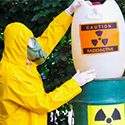


8 Key Ways Staff Training Supports Safer Medical Waste Handling
Waste disposal companies play a major role in keeping healthcare environments safe, but the foundation of effective medical waste handling will always rest on well trained staff. When employees understand how to manage hazardous materials correctly, they reduce risks for themselves, their patients and the wider community. This is especially important in South Africa, where strict regulations guide the handling, storage and disposal of medical waste across both public and private facilities. Proper training ensures these rules are met, avoids unnecessary incidents and maintains consistent standards across all departments.
Many facilities underestimate the impact of training until an error exposes its absence. Clear, structured instruction empowers staff to classify waste types correctly, use protective equipment confidently and respond to emergencies quickly. In a sector where small mistakes can have serious consequences, ongoing education becomes one of the most reliable and cost effective tools for maintaining safety.
1. Training Ensures Compliance With South African Medical Waste Regulations
Healthcare staff must fully understand the legal requirements set out in South African legislation, including the National Environmental Management Waste Act and relevant municipal bylaws. Waste disposal companies often encounter challenges caused by incorrect segregation or labelling, yet these issues are preventable with proper guidance. When personnel know how to follow the rules, facilities avoid fines, penalties and operational disruptions linked to non compliance.
Training also helps teams keep pace with evolving regulations. Staff learn how to maintain correct documentation, manage storage procedures and prepare waste for collection in a compliant way. This creates a culture where regulatory standards are not just followed but understood and applied consistently in daily operations.
2. It Enhances Workplace Safety and Reduces Exposure Risks
Staff working around medical waste face real exposure risks, particularly when handling sharps, infectious materials or contaminated surfaces. Without proper training, the likelihood of needlestick injuries or accidental contact increases sharply. Two-way understanding between facilities and waste disposal companies becomes especially important here, because the safety of both internal staff and external service providers depends on compliant handling from the start.
Training helps workers feel confident when dealing with hazardous materials, reinforcing correct use of PPE and safe handling protocols. A skilled workforce understands how to carry out essential tasks with fewer errors, creating a safer environment for everyone on site.
Key training elements that support safer workplaces include:
- Correct use of PPE for different waste categories
- Safe handling and sealing of sharps and infectious waste containers
- Best practices for avoiding cross contamination between waste streams
- Clear procedures for transporting waste inside the facility
When these practices are consistently applied, staff experience fewer incidents and maintain greater control over their working environment. This leads to stronger operational safety and improved confidence across departments.
By embedding these behaviours through ongoing education, facilities build a culture where safety becomes a shared responsibility rather than a compliance obligation. The result is a workplace where risks are minimised long before waste reaches waste disposal companies for collection and processing.
3. Staff Training Supports Strong Infection Prevention Measures
Infection prevention depends heavily on consistent waste separation and proper disposal of contaminated materials. When employees quickly identify infectious, pharmaceutical, chemical and general waste streams, they handle each category in line with South African guidelines. Waste disposal companies benefit from this because they receive correctly segregated waste that aligns with regulatory expectations.
Training also reinforces correct disposal behaviours during busy periods. When proper procedures become habit, the likelihood of mixing waste types drops significantly. This strengthens facility wide infection control, reduces environmental contamination and contributes to safer patient care.
4. It Helps Protect the Environment and Reduces Contamination Risks
Environmental protection begins at the point of waste generation, where trained staff make decisions that determine whether healthcare waste is handled responsibly. Proper training ensures that employees understand the environmental consequences of incorrect disposal and how certain waste types can contaminate soil, water and air if not handled in line with South African requirements. Waste disposal companies rely on this upstream accuracy to ensure the waste they receive is suitable for compliant treatment.
Staff who recognise high-risk materials and understand the importance of correct segregation are far less likely to dispose of hazardous waste improperly. The more informed workers are, the more consistent their environmental stewardship becomes.
Core environmental training areas include:
- Understanding hazardous versus non hazardous waste categories
- Using colour coded containers correctly
- Preventing spills or leaks during internal storage
- Reducing unnecessary contamination of recyclable waste streams
After training, staff can apply environmentally conscious decisions to their day-to-day duties, ensuring medical waste never enters general disposal channels. These practices benefit the facility, local communities and the broader environment.
By maintaining high standards internally, workplaces contribute to a cleaner and more sustainable waste system, making it easier for waste disposal companies to process waste safely and lawfully.
5. Trained Staff Improve Internal Efficiency and Workflow
When employees understand the full waste cycle clearly, from segregation to internal storage, their daily tasks become far more streamlined. This reduces confusion, eliminates unnecessary delays and ensures waste containers are handled and replaced consistently. Proper training also minimises the number of avoidable mistakes that disrupt workflow or require corrective action. Waste disposal companies experience smoother collections when facilities operate efficiently.
Well structured training allows teams to work with confidence, reducing the need for constant supervision or repeated explanations. It also supports quicker decision making and better waste storage practices, keeping clinical areas cleaner and more organised.
Efficiency-focused training often includes:
- Streamlined waste sorting processes
- Correct placement and usage of internal waste containers
- Timing and coordination of internal waste movement
- Reducing unnecessary handling or re-sorting of incorrectly disposed waste
Facilities that optimise their waste processes see improvement not only in workflow but also in staff morale, because employees feel more capable and less overwhelmed. Improved efficiency leads to cleaner spaces, fewer obstacles during busy periods and better utilisation of time and resources.
By training staff to follow consistent processes, healthcare facilities create smoother operations that remain reliable even during high-pressure periods. This translates into better productivity and stronger support for the systems used by waste disposal companies.
6. It Strengthens Emergency Preparedness and Response
Unexpected incidents such as spills, damaged containers or accidental exposure require immediate and competent action. Without training, staff may hesitate or respond incorrectly, increasing the severity of the situation. Training ensures that employees know exactly how to react, who to notify and how to contain hazards before they spread. Waste disposal companies depend on this level of preparedness so they do not encounter unsafe conditions during collections.
Prepared staff feel more confident when handling emergencies, which reduces panic and prevents minor issues from escalating into major ones. Effective emergency training gives employees a structured response plan that can be executed quickly and safely.
Emergency preparedness training typically covers:
- Immediate steps in the event of a spill or exposure
- Correct use of spill kits and containment tools
- Reporting procedures and communication lines
- Decontamination steps and follow-up requirements
These skills help create an environment where quick action prevents accidents from becoming more serious. Staff who know what to do also inspire greater confidence among colleagues and patients.
Embedding emergency response training into regular waste management education ensures long term preparedness. This makes the entire facility safer and more resilient while supporting the safe operations expected by waste disposal companies.
7. Proper Training Reduces Costs Linked to Errors and Non Compliance
Mistakes such as improper segregation, mislabelling or incorrect storage can lead to penalties, rejected waste or unnecessary risk. Training significantly reduces these problems and leads to long term cost savings. Waste disposal companies also face fewer complications when waste has been correctly handled at source.
By promoting accurate procedures, facilities reduce the need for corrective actions, repeated handling or additional labour. Fewer accidents and stronger compliance systems result in sustainable financial benefits over time.
8. Ongoing Education Builds Trust With Patients and Communities
Visible commitment to safety builds public confidence. When patients observe staff handling waste correctly, they feel reassured about the facility’s overall standards. Waste disposal companies contribute to this broader chain of trust, but trained staff are the first and most consistent point of contact.
Communities also benefit when healthcare facilities maintain responsible waste practices. Training reduces contamination risks beyond facility walls and demonstrates a long term commitment to environmental safety. A workforce that understands its responsibility helps strengthen the reputation and reliability of the organisation.
What Services Include Training Staff on Medical Waste Handling and Disposal?
At A-Thermal, we provide training that equips organisations with the knowledge and skills needed to manage waste responsibly, and these same principles apply directly to medical waste. Our experienced trainers and qualified facilitators work closely with clients to tailor programmes that address their specific needs, whether they relate to general waste fundamentals, hazardous waste handling, regulatory compliance or waste segregation. Because we design our content around client objectives, our training can be delivered onsite, ensuring that staff receive guidance in the environment where they work daily.
Our waste management training covers legislative requirements, the importance of correct segregation and the practical steps needed to ensure compliant waste handling. These same foundations are essential for effective medical waste management. By focusing on safety, best practices, documentation and regulatory expectations, we help participants understand how to manage waste responsibly and confidently. Through this approach, we ensure that staff are equipped with practical, applicable knowledge that supports both general and medical waste processes.
A-Thermal: Experts in Waste Management
Waste disposal companies can only operate effectively when healthcare facilities invest in skilled, knowledgeable staff. Training supports compliance, improves safety, prevents infections and protects the environment, all while strengthening internal efficiency. By understanding legislative requirements, handling procedures and best practices, employees become key contributors to safe and responsible medical waste management. These skills create safer workplaces, healthier communities and more reliable systems across healthcare settings.
If you are looking for expert guidance and practical training support, we encourage you to get in touch with A-Thermal. We are ready to help you strengthen your waste management processes and maintain the highest standards of safety and compliance.
FAQs
Training ensures that medical waste is managed safely, correctly, and in line with legal requirements, reducing the risk of infection, injury, and environmental contamination. It also protects healthcare facilities from fines, lawsuits, and reputational damage while creating a safer workplace for staff and patients.
Sharps, infectious waste, pharmaceutical waste, pathological waste, and chemical waste all require specialised handling due to their hazardous nature. Training teaches staff how to properly segregate, label, store, and prepare each type for safe collection by waste disposal companies.
The healthcare facility is legally responsible for ensuring staff are properly trained, although many waste disposal companies offer certified training as part of their service. This collaboration helps facilities stay compliant with regulations while maintaining consistent safety standards.
Training should be completed during staff onboarding and refreshed at least once a year, as well as whenever regulations change or new equipment is introduced. Regular updates help maintain compliance, reinforce safe habits, and reduce the risk of costly errors.
Improper handling can lead to needle-stick injuries, exposure to infectious diseases, chemical burns, environmental pollution, and serious legal consequences. It also puts patients, staff, and the public at risk while increasing liability for healthcare facilities.
Many professional waste disposal companies offer on-site training that includes hands-on demonstrations, correct container usage, spill response procedures, and compliance guidance. This practical approach helps staff apply proper techniques within their actual working environment.
Well-trained staff ensure correct waste segregation, labelling, and storage, which reduces collection delays, contamination risks, and service issues. This leads to smoother operations, improved safety, and stronger long-term partnerships with waste disposal providers.
Yes, even small clinics face the same safety and legal risks as large facilities, making proper training essential. Waste disposal companies often offer affordable, scalable training solutions designed specifically for smaller medical practices.