


Pharmaceutical Waste in South Africa: A Practical Guide
Pharmaceutical waste is one of the more complex waste streams handled by healthcare facilities, and many organisations turn to waste management companies in Johannesburg to help them stay compliant. Understanding what pharmaceutical waste is, how it should be handled, and which regulations apply in South Africa is essential for keeping people and the environment safe. Effective pharmaceutical waste management is essential for maintaining safety, protecting the environment and ensuring full compliance with South African regulations, which makes it important for healthcare providers and pharmacists to understand how these waste streams should be handled.
Pharmaceutical waste has wide reaching implications for compliance, environmental protection and operational efficiency, which is why a strong understanding of it can significantly strengthen internal waste strategies.
Understanding Pharmaceutical Waste
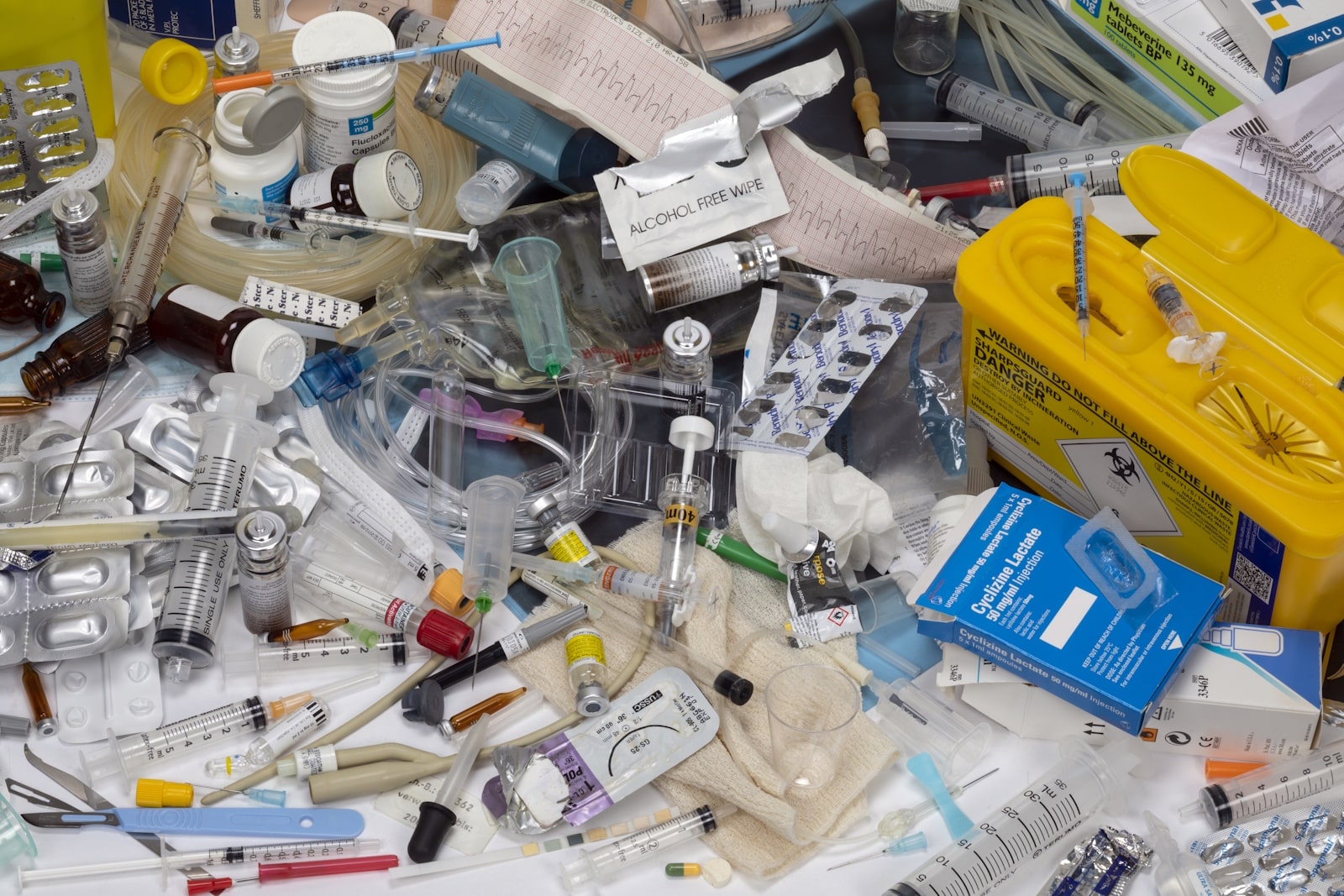
Pharmaceutical waste includes any medication or medicinal product that is no longer usable. This may be due to expiration, contamination, damage, incorrect storage or leftover stock. It also includes items heavily contaminated with medicines such as vials, bottles, syringes and PPE. In South Africa, the National Environmental Management: Waste Act outlines how such waste must be managed to avoid harm to people, animals and the environment. Healthcare workers must therefore identify these waste items correctly and ensure that they are handled and disposed of through approved channels.
Improperly discarded pharmaceutical waste can leach into soil and water sources. International studies have shown similar risks where drugs have been detected in rivers and wildlife, which highlights the importance of correct management. Under South African law, healthcare facilities must follow strict segregation, packaging and disposal requirements to prevent similar risks locally. This makes it crucial for organisations to work with competent waste management companies in Johannesburg that are equipped to manage this specialised waste stream safely.
Types of Pharmaceutical Waste
Pharmaceutical waste comes in several forms, and understanding these categories is essential for safe handling and compliant disposal. Facilities across South Africa rely on waste management companies in Johannesburg to help classify their waste correctly so they can meet regulatory requirements and reduce the risks associated with incorrect disposal. Many of these waste streams have unique hazards, such as toxicity, flammability or controlled-substance restrictions, which makes proper identification the foundation of effective pharmaceutical waste management.
Clear classification also helps facilities manage their storage processes, documentation and destruction plans with far greater confidence. When businesses know exactly what they are dealing with, they can partner more efficiently with specialists who handle pharmaceutical waste every day. This creates a safer working environment, reduces the likelihood of contamination and ensures waste moves through compliant channels from start to finish.
Types of pharmaceutical waste include:
- Expired or discontinued finished pharmaceutical products
- Raw materials used in manufacturing
- Intermediate products
- Quality assurance retention samples
- Clinical trial materials
- Natural, homeopathic or complimentary medicine
- Laboratory waste from pharmaceutical manufacturing
- Medical devices
- Cosmetic waste
- Schedule 5 and Schedule 6 drugs (requiring pharmacist oversight)
Understanding the differences between these waste types also helps facilities choose the right waste partner. Some waste management companies may manage general healthcare waste, while others, like those specialising in pharmaceutical disposal, can safely process scheduled drugs, trial materials and high-risk substances. This distinction matters because pharmaceutical waste requires controlled environments, documentation and strict adherence to South African legislation.
Finally, a proper understanding of pharmaceutical waste categories ensures transparent audits and accurate reporting. Businesses can demonstrate due diligence, improve internal waste protocols and create long-term systems that support safety and sustainability. It also strengthens decision-making when seeking the right disposal company, especially when handling sensitive or high-risk pharmaceutical materials.
What Goes Into a Pharmaceutical Waste Container
Pharmaceutical waste containers are designed to hold expired, unused or contaminated medicines and their packaging. In South Africa, container requirements follow the SANS standards, which specify the strength, colour and labelling criteria for different forms of healthcare risk waste. Items such as partially used vials, contaminated PPE and medicine containers should go into the appropriate pharmaceutical waste container rather than sharp, infectious or general waste bins.
Clear labelling is essential because it ensures that waste handlers, transporters and disposal facilities understand exactly what they are working with. Incorrectly labelled containers may lead to accidental mixing of incompatible waste types. This is one reason healthcare facilities often prefer to work closely with specialist waste management companies in Johannesburg that provide compliant containers and training programmes that help staff stay knowledgeable.
How Much Pharmaceutical Waste Is Produced
Pharmaceutical waste volumes vary greatly depending on the type of facility, production scale and storage cycles. Manufacturing plants, laboratories, pharmacies and healthcare facilities all generate waste through expired stock, sampling, testing, packaging failures and discontinued product batches. As demand for medication and healthcare services grows in South Africa, waste management companies in Johannesburg increasingly support businesses that struggle to keep up with rising quantities of unused or unusable pharmaceuticals.
While exact figures differ between facilities, even smaller operations can produce more waste than expected due to strict expiry controls, quality assurance regulations and stock rotation requirements. This makes consistent waste monitoring essential. Without proper tracking, waste volumes can accumulate quickly, increasing risk, storage pressure and compliance challenges.
Common contributors to total pharmaceutical waste include:
- Expired medicines and discontinued product lines
- Quality assurance holds and retention samples
- Clinical trial waste
- Manufacturing laboratory residues
- Damaged or contaminated stock
- Rejected raw materials
- Surplus batches resulting from regulatory or formulation changes
Given the specialised nature of this waste, businesses must plan for both the quantity and type of materials generated. Larger volumes often require regular service intervals and strict chain-of-custody controls, while smaller facilities may need on-demand solutions. Understanding waste volume trends also helps organisations anticipate future needs, budget accurately and maintain compliance with South African environmental and pharmaceutical legislation.
Facilities that analyse their waste production patterns typically make more informed decisions when selecting a specialist disposal provider. When they know what to expect, they can choose companies equipped to handle fluctuating waste volumes safely, efficiently and cost-effectively, ensuring long-term operational stability.
Ways to Reduce Pharmaceutical Waste
Reducing pharmaceutical waste begins with effective prescribing and stock management. Regular medicine reviews help ensure that patients only receive what they truly need. Reducing duplicate prescriptions and improving communication between healthcare providers also helps limit waste. These practices are recommended across global healthcare systems and can be effectively adapted for South Africa.
Waste reduction also relies on well informed patients. Clear instructions, improved counselling and better follow ups can reduce the volume of unused medication that returns to healthcare facilities. Staff training is equally important. Many organisations choose to develop ongoing training programmes with the help of waste management companies in Johannesburg to ensure that employees understand how to segregate, store and report pharmaceutical waste correctly.
Best Practices for Pharmaceutical Waste Management
Proper identification and segregation are essential. Staff should be able to distinguish between hazardous and non hazardous waste and should understand which containers and storage areas are appropriate. All pharmaceutical waste must be stored securely to prevent unauthorised access or accidental exposure, particularly in facilities that manage controlled medications.
Accurate records, compliant packaging and the use of authorised transporters are also central to best practice. Staff training increases safety and reduces incidents linked to poor segregation. Routine refresher programmes help teams stay updated, especially when regulatory changes occur. Many healthcare facilities rely on the guidance of knowledgeable waste management companies in Johannesburg to maintain high standards across all operational areas.
Environmental Impact of Pharmaceutical Waste
Improper disposal of pharmaceutical waste can lead to contamination of rivers, soil and wildlife. International studies have detected pharmaceuticals in protected natural areas, showing that waste can travel far beyond its point of disposal. Although local contamination patterns may differ, the risk remains relevant for South Africa due to the sensitivity of local ecosystems.
Medicines such as antibiotics and hormone based drugs can affect aquatic life and may contribute to the development of antimicrobial resistance. This is why South African healthcare guidelines emphasise high temperature incineration for hazardous pharmaceutical waste. By following regulatory standards and working with reliable waste management companies in Johannesburg, facilities can help protect the environment from unnecessary harm.
Case Study: A Healthcare Manager’s Search for the Right Waste Partner
Her Situation
A healthcare manager in a busy private practice found herself dealing with increasing amounts of expired and partially used medication. As the facility grew, so did the complexity of its waste streams. She realised that her existing service provider did not specialise in pharmaceutical waste and she wanted support that was tailored to this specific category. This led her to begin researching how pharmaceutical waste should be managed under South African regulations and what type of service provider would best support her needs.
What She Learned
Through her research, she discovered that pharmaceutical waste requires specialised handling, dedicated containers, secure storage and high temperature incineration. She also learned about the importance of proper documentation, training and segregation. Many of these requirements were not being fully met by her current provider. She compared various waste management companies in Johannesburg and evaluated how each one approached pharmaceutical waste, paying particular attention to compliance with local laws.
How This Shaped Her Decision
The findings guided her toward seeking a partner with strong regulatory knowledge, environmentally responsible processes and comprehensive training support. She realised that choosing a specialist would improve safety, compliance and operational efficiency within her practice. Ultimately, she chose a waste provider with a proven track record in managing pharmaceutical waste and decided to overhaul her internal procedures to align with best practice.
Future Trends in Pharmaceutical Waste Management
Pharmaceutical waste management continues to evolve. South Africa is likely to see greater use of digital tracking systems and improved reporting methods that strengthen compliance. Innovations in drug formulation and packaging may also reduce the environmental impact of medicines. These trends support more accurate waste segregation and more efficient disposal systems.
There is growing interest in improving inventory management using data driven approaches. As personalised medicine develops globally, it may reduce prescribing errors and excess stock levels. Partnering with forward thinking waste management companies in Johannesburg can help healthcare facilities stay aligned with these developments and maintain a modern, compliant waste management strategy.
What medical waste disposal services specialise in pharmaceutical waste?
When looking at waste management companies in Johannesburg, it becomes clear that very few providers truly specialise in pharmaceutical waste. A-Thermal is one of the exceptions. Our operations are overseen by a full-time on-site pharmacist who ensures full compliance with all pharmaceutical waste legislation, including the handling, storage, witnessing, and destruction of highly regulated materials. We manage a wide scope of pharmaceutical waste types, including expired or discontinued finished products, raw materials, intermediates, quality assurance retention samples, natural and homeopathic medicines, clinical trial waste, lab waste from pharmaceutical manufacturing, cosmetic waste and medical devices.
Our team specialises exclusively in the safe destruction of pharmaceutical waste, focusing on compliance, environmental responsibility, and detailed process supervision. This means that clients who require accuracy, legal adherence, and transparency in the handling of sensitive pharmaceutical waste materials can rely on us completely. Unlike general waste handlers, we provide a highly controlled environment, accommodate witnessing requirements, and ensure that every batch of pharmaceutical waste is processed in accordance with South African legislation. Our experience, specialised infrastructure, and pharmacist-supervised systems make us one of the most trusted options for pharmaceutical waste destruction in South Africa.
A-Thermal: A Pharmaceutical Waste Disposal Company
Pharmaceutical waste management is a critical part of running a safe and compliant healthcare facility, which is why many organisations rely on experienced waste management companies in Johannesburg to help them meet their obligations. Understanding the different types of pharmaceutical waste, the laws that apply and the best ways to reduce and dispose of it empowers healthcare teams to make informed decisions.By staying informed, training staff and choosing partners that specialise in pharmaceutical waste, organisations can protect people, property and the environment.
We encourage readers to contact A-Thermal for guidance, support and compliant pharmaceutical waste solutions tailored to South African healthcare settings.