
What Happens to Medical Waste After You Throw It Away?
Medical waste might seem like it disappears the moment it leaves your clinic, hospital, or home. However, the journey it takes to be safely and responsibly disposed of is far more complex than most people realise. Every day, hospitals, laboratories, and pharmaceutical facilities generate significant volumes of hazardous waste. This includes sharps, gloves, masks, anatomical waste, and pharmaceutical products, all of which require specialised handling. Improper disposal can pose serious risks to human health and the environment.
Understanding what happens to medical waste helps organisations make informed decisions about how they manage it. By choosing a trusted medical waste company, healthcare providers ensure that waste is treated safely and in compliance with national regulations. Modern waste treatment processes go beyond simply removing waste from sight. They aim to neutralise harmful substances, reduce environmental impact, and protect communities.
The First Step: Collection and Segregation
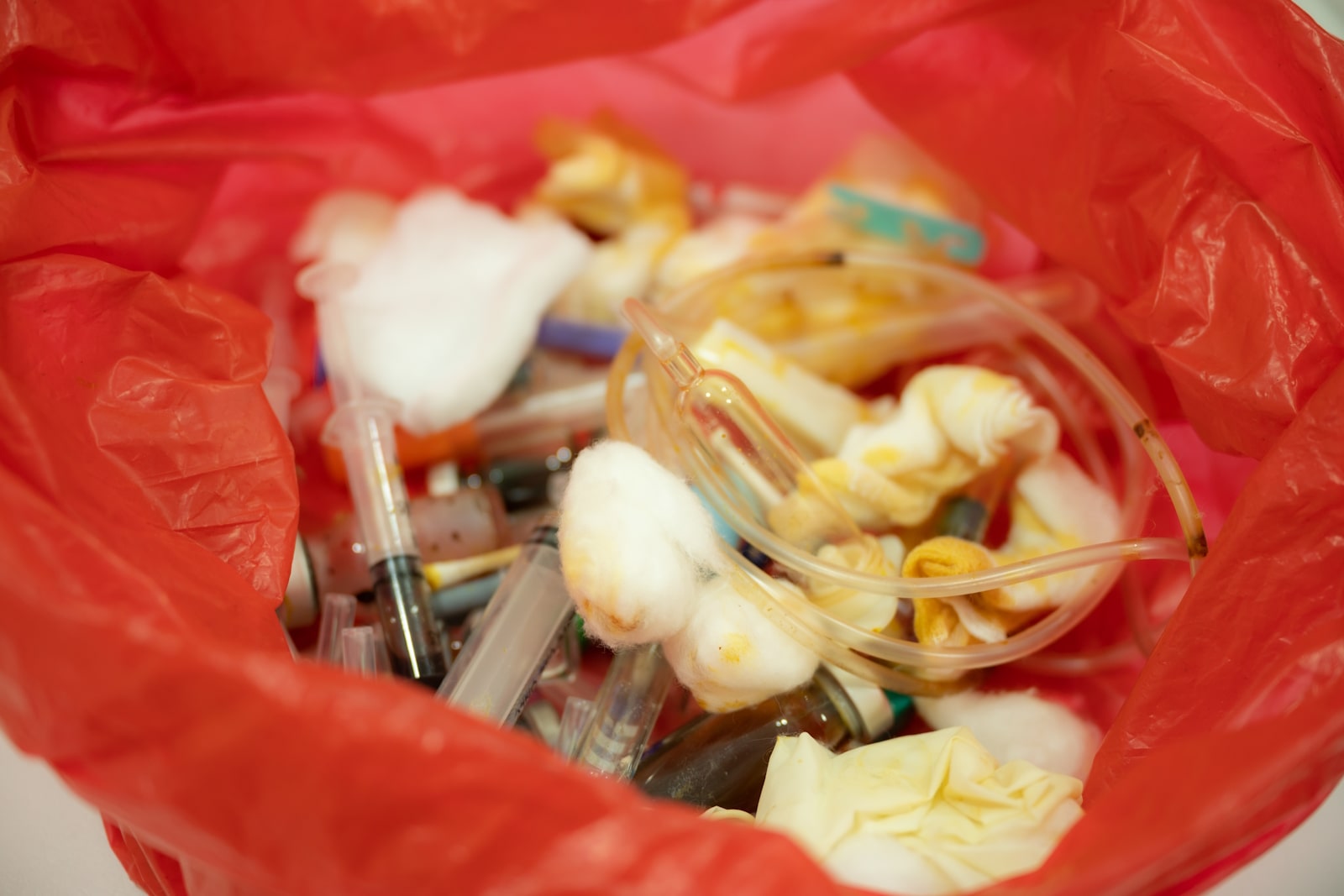
Medical waste must be carefully sorted from the moment it is generated. Clinics and hospitals use colour-coded bins to separate infectious, sharps, anatomical, and general waste. Red biohazard bags, for example, are reserved for hazardous healthcare risk waste (HCRW), while regular waste is kept apart. This initial segregation is vital for preventing contamination and ensuring the right treatment method is applied.
Once segregated, the waste is collected and prepared for transportation. This involves securely packaging materials to prevent leaks or exposure during transit. Medical waste companies follow strict regulations and protocols to maintain hygiene and safety standards. Staff are trained in handling these materials, ensuring that every step minimises risk to both people and the environment.
Proper collection and segregation also help reduce costs and increase recycling opportunities. Items such as plastics and metals can sometimes be treated and repurposed, provided they are free from contaminants. By separating waste streams, medical facilities and waste companies can ensure that non-hazardous materials are recycled whenever possible.
Treating Medical Waste: Burn and Non-Burn Technologies
Once the medical waste reaches a licensed treatment facility, it undergoes processes designed to neutralise any infectious or hazardous components. One common method is burn technology. In this approach, waste is fed into a kiln at very high temperatures, around 850°C. The heat fully oxidises the waste, leaving behind an inert ash. Before being released into the atmosphere, the flue gases pass through a scrubbing system to remove pollutants, ensuring emissions are safe and compliant.
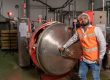
Another method used by medical waste companies is non-burn technology, often employing autoclaves. Autoclaving uses high-pressure steam to sterilise waste without incineration. This approach is suitable for most medical waste, excluding anatomical material. Once sterilised, the waste is shredded to make it unrecognisable, further ensuring that it poses no health risk. Non-burn methods are considered more environmentally friendly because they minimise air pollution and reduce the carbon footprint of medical waste disposal.
Both methods rely on careful monitoring and compliance with local and national regulations. Each batch of treated waste is tested to confirm complete sterilisation, and detailed records are maintained to demonstrate adherence to safety standards. A professional medical waste company ensures that every stage, from transport to treatment, meets these rigorous requirements.
The Journey of Hazardous Waste Residue
After thermal treatment or autoclaving, what remains is largely inert residue that can be safely managed. For burn technology, this residue is collected as ash, while non-burn processes produce sterilised shredded material. Before disposal, laboratories test the residues for heavy metals and other contaminants to determine their classification. Only waste that meets strict regulatory standards can be sent to a landfill or recycled safely.
Gas emissions from the treatment process are also carefully managed. Thermal oxidisers and gas clean-up systems remove harmful compounds and trace metals, reducing environmental impact. These systems ensure that any off-gases are cooled, scrubbed, and polished before being released into the atmosphere. Monitoring equipment tracks emissions for dust, carbon monoxide, nitrogen oxides, volatile organic compounds, and mercury to guarantee compliance.
Proper handling of residue is essential for maintaining environmental safety and public confidence. Medical waste companies take responsibility for ensuring that no part of the waste chain compromises community health. By managing both solid and gaseous by-products, these companies minimise the ecological footprint of medical waste treatment.
Why Choosing a Professional Medical Waste Company Matters
Many healthcare providers underestimate the importance of partnering with a specialised medical waste company. A professional provider brings not only equipment and technology but also expertise in regulatory compliance, safety protocols, and environmental responsibility. This reduces the risk of legal penalties and protects staff, patients, and the broader community.
Professional companies also offer documentation and certificates for every batch of treated waste. This ensures traceability and accountability, which is particularly important for pharmaceutical waste or hazardous healthcare risk waste. Knowing that waste has been safely treated and certified provides peace of mind for management and regulators alike.
Furthermore, an experienced medical waste company can provide advice and training to staff, helping them understand correct segregation and handling practices. This proactive approach prevents unnecessary waste being sent to high-cost treatment methods and reduces contamination risks. Choosing a reliable partner is a vital step in ensuring your facility operates safely and sustainably.
Where To Find Waste Disposal Experts in SA?
In South Africa, healthcare facilities and businesses can turn to A-Thermal for comprehensive hazardous and medical waste management solutions. With over 20 years of experience, A-Thermal is a leading medical waste company that offers collection, transportation, treatment, and safe disposal of medical and pharmaceutical waste. Their services ensure compliance with all local and national regulations while maintaining high environmental standards.
A-Thermal provides both burn and non-burn treatment options. Their burn technology uses high-temperature kilns to fully oxidise waste, while their non-burn methods, including autoclaving, sterilise waste without incineration. They handle a wide range of materials, including infectious waste, sharps, gloves, masks, isolation waste, anatomical waste, and pharmaceutical products. Operations are overseen by highly qualified engineers and on-site pharmacists to guarantee safety and legal compliance at every stage.
Beyond treatment, A-Thermal focuses on sustainability and responsible practices. Residue testing, recycling where possible, and closed-loop gas clean-up systems ensure zero liquid effluent and minimal environmental impact. With their integrated approach, A-Thermal provides peace of mind for healthcare providers, making them a trusted partner for anyone seeking a professional medical waste company in South Africa.
Taking Responsibility for Safe Waste Disposal
Medical waste does not simply vanish after leaving your facility. It travels through a complex, regulated process designed to protect human health and the environment. From careful segregation and collection to high-temperature treatment and thorough residue management, each stage is critical for safety and compliance.
Partnering with a professional medical waste company, like A-Thermal, ensures your facility meets all legal requirements while contributing to environmental sustainability. Whether using burn or non-burn technologies, these companies transform potentially hazardous materials into safe, inert products, protecting communities and reducing pollution.
If you are looking for a reliable partner to manage your medical, pharmaceutical, or hazardous waste, get in touch with us at A-Thermal today. We can help you safely and responsibly dispose of your waste, provide all necessary certifications, and support your compliance efforts. Together, we can protect the environment and create a safer, healthier future for everyone.