

7 Facts About Waste Management in Johannesburg
Waste management in Johannesburg is an essential part of keeping the city clean, safe, and sustainable. Many residents may not realise how complex the process is, or how South African laws and policies shape the industry. From handling hazardous waste to promoting recycling and community initiatives, there is more going on behind the scenes than most people imagine. Understanding these surprising facts can help residents, businesses, and policymakers make informed choices about how we manage waste in our city.
While it might seem like waste management is just about bins and trucks, Johannesburg’s approach is far more sophisticated. The city faces growing challenges due to urbanisation, increasing consumption, and stricter environmental regulations. At the same time, innovative companies are turning waste into resources, making the city more sustainable and resilient. Exploring these seven surprising facts reveals how regulations, technology, and community engagement all play a role in shaping a cleaner Johannesburg.
1. Landfills Are Not the Only Solution
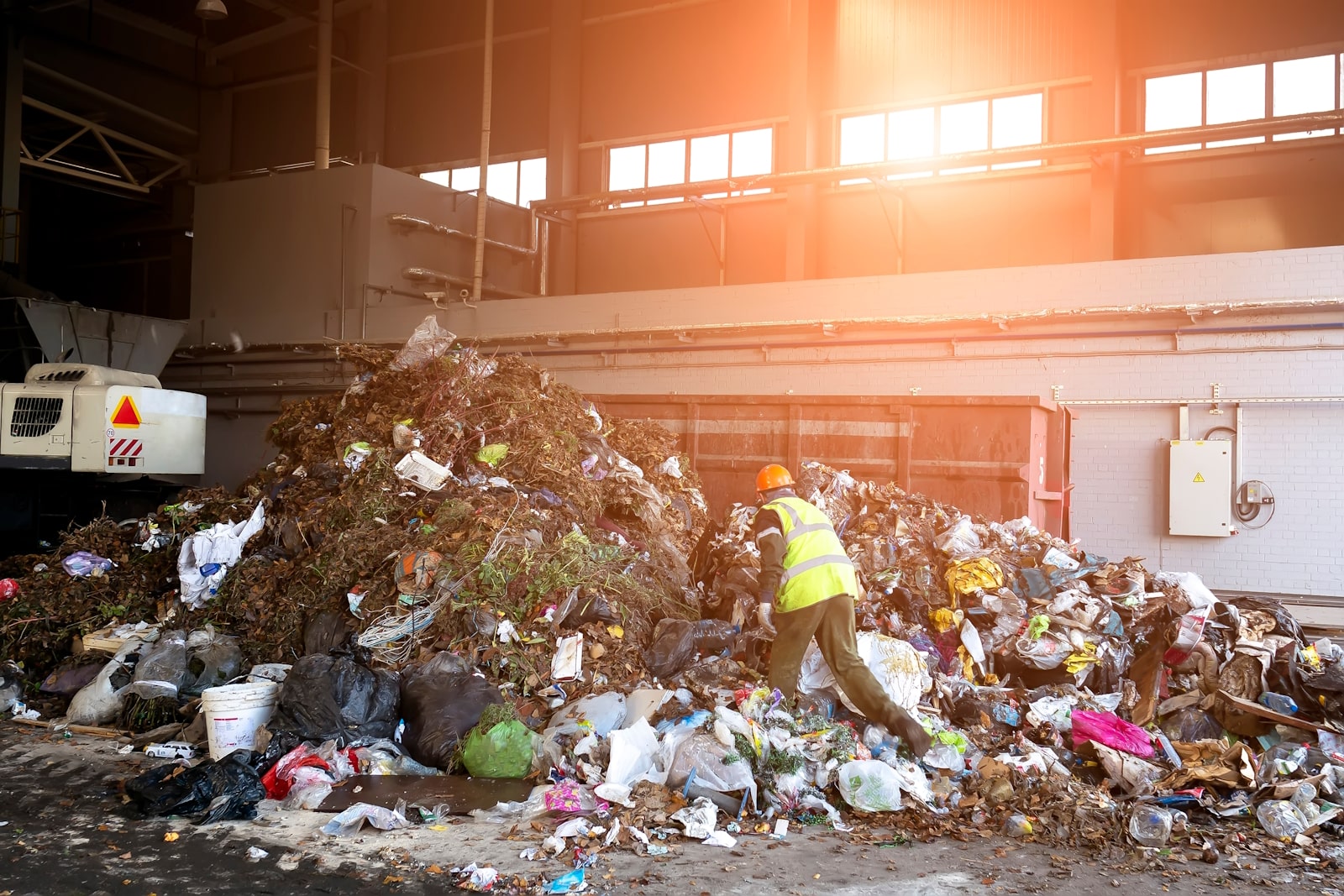
Johannesburg has made significant progress in moving away from relying solely on landfills. The South African National Environmental Management: Waste Act 2008 sets strict requirements for landfill operations, including leachate control and environmental monitoring. Modern facilities now combine sanitary landfills with waste-to-energy and recycling initiatives, ensuring waste that cannot be recycled still contributes to energy production. This approach reduces environmental harm and makes landfills a last resort rather than the main option.
Residents often assume that all waste simply ends up in a landfill, but in reality, Johannesburg is actively investing in recycling facilities and treatment plants. Organics are increasingly diverted from landfills to composting or anaerobic digestion systems, while non-recyclable waste is processed to recover energy. These steps demonstrate a broader commitment to sustainable waste management and highlight how regulation drives the adoption of more environmentally friendly solutions.
2. Hazardous Waste Is Carefully Managed
Hazardous waste in Johannesburg, including industrial chemicals, e-waste, and medical waste, is regulated under the Waste Act and the Hazardous Substances Act. These laws require proper storage, transport, and treatment to prevent environmental contamination and public health risks. Facilities handling hazardous waste must have licences and meet strict technical standards, ensuring that waste is rendered safe before disposal or recycling.
This careful management is essential because improper handling of hazardous waste can cause soil and water contamination or release toxic emissions. Advanced treatment methods, such as thermal destruction or pyrolysis, are used to permanently neutralise hazardous chemicals. These methods ensure that waste becomes non-hazardous and prevent long-term environmental damage, while also providing companies with peace of mind that their compliance obligations are met.
3. Recycling Is Increasingly Mandated
Johannesburg has embraced recycling through both municipal initiatives and national policies. The Waste Act encourages waste minimisation and promotes recycling programs, while the South African Bureau of Standards provides guidance on acceptable materials and sorting practices. Households are encouraged to separate recyclables such as plastics, paper, and metals from general waste, helping to divert these materials from landfills.
Recycling not only conserves resources but also creates economic opportunities. Johannesburg’s recycling industry employs people in collection, sorting, and processing roles, supporting both livelihoods and the circular economy. With growing awareness and stricter regulations, recycling rates are expected to rise further, making it a critical component of waste management in Johannesburg.
4. Extended Producer Responsibility Is Changing the Game
South Africa is increasingly adopting extended producer responsibility (EPR) policies, requiring manufacturers to take responsibility for the end-of-life management of their products. This means producers of packaging, electronics, and other consumer goods must fund recycling programs or arrange for proper disposal. EPR shifts some of the financial and operational burden from municipalities to producers, encouraging companies to design products that are easier to recycle.
For Johannesburg, this trend has significant implications. Businesses can reduce costs associated with waste management while meeting regulatory requirements. Residents benefit from better recycling infrastructure and take-back programs, which improve environmental outcomes. EPR is gradually creating a more sustainable approach to consumption and waste in the city, aligning industry practices with national waste policy goals.
5. Technology and Automation Are Making a Difference
Modern waste management in Johannesburg increasingly relies on technology to improve efficiency and environmental compliance. From route optimisation for waste collection trucks to automated sorting systems in recycling facilities, digital solutions help reduce costs and increase recovery rates. Smart bins and sensors can signal when collection is needed, ensuring resources are used efficiently.
Advanced treatment technologies, including thermal destruction, anaerobic digestion, and chemical recycling, are also gaining traction. These innovations allow Johannesburg to process waste in ways that minimise environmental impact while recovering valuable resources. Technology is transforming the city’s waste sector, making it more effective, sustainable, and resilient to future challenges.
6. Community Engagement Matters
Public participation is critical to successful waste management in Johannesburg. Many residents may not realise that following proper sorting and disposal practices directly impacts the effectiveness of municipal services. Education campaigns, school programs, and local initiatives encourage communities to reduce, reuse, and recycle, fostering a culture of environmental responsibility.
Community involvement also helps combat illegal dumping, which remains a challenge in some areas. By engaging schools, neighbourhood associations, and local businesses, the city encourages responsible behaviour while raising awareness of the broader environmental consequences of waste. Strong community engagement ensures that policies and regulations have real impact on the ground.
7. A-Thermal Provides Expert Hazardous Waste Solutions
A-Thermal Retort Technologies is a South African company specialising in permanent destruction of hazardous and toxic waste. With over 20 years of experience, A-Thermal uses thermal treatment methods that make waste non-hazardous, providing an environmentally safe alternative to landfill or exportation. The company holds multiple certifications, including ISO 9001, ISO 14001, ISO 45001, and a Waste Management Licence, reflecting its commitment to high standards and regulatory compliance.
The company employs highly qualified engineers who specialise in hazardous waste pyrolysis, high-temperature gas reactions, biomass gasification, and process design. In addition to technical expertise, A-Thermal actively engages with communities through environmental education programs and sponsorships. Their integrated approach ensures that hazardous waste is treated responsibly, with a focus on sustainability, safety, and long-term environmental protection.
Making Johannesburg Cleaner and Greener
Waste management in Johannesburg is far more complex and innovative than many residents realise. With strict national laws, municipal regulations, and growing community engagement, the city is moving towards a more sustainable and resource-conscious approach. From recycling and energy recovery to advanced hazardous waste treatment, the system is evolving to meet both environmental and public health goals.
As the city continues to grow, so do the opportunities to improve waste practices and create a circular economy. At A-Thermal, we are proud to contribute by providing safe, effective, and environmentally responsible solutions for hazardous waste. If you want to learn more about how to manage your waste responsibly, get in touch with us today and let’s work together to make Johannesburg cleaner and greener.