
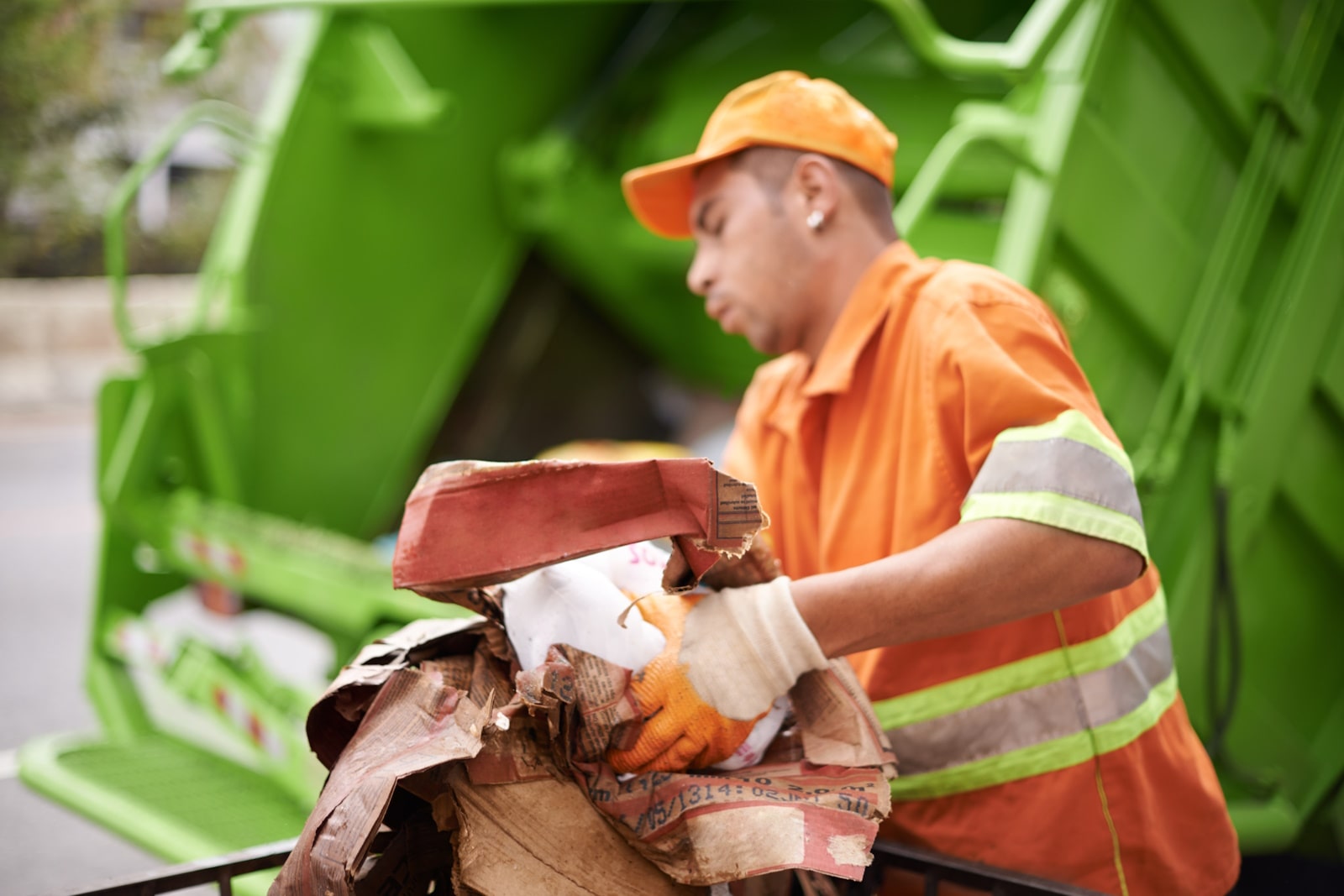
The Role of Waste Management in Johannesburg
Waste management is one of the most important issues facing Johannesburg today. With the city producing thousands of tons of municipal solid waste each year, the way we manage our rubbish has a direct impact on the environment, public health, and sustainability. From household waste to industrial and hazardous materials, every type of waste needs to be handled responsibly. Effective waste management in Johannesburg goes beyond simply throwing things away. It involves a full process from collection and storage to recycling, recovery, and proper disposal.
Proper waste management is also about reducing the amount of waste we create in the first place. By embracing the waste hierarchy, which prioritises prevention, reuse, recycling, recovery, and disposal, Johannesburg can minimise the environmental impact of waste while conserving resources. The city faces challenges such as illegal dumping, overflowing landfills, and the management of hazardous materials, all of which require structured and well-regulated systems to address effectively.
Understanding Waste Management
What Is Waste Management?
Waste management is the process of handling waste from the point it is created to its final disposal. This includes collection, transportation, treatment, recycling, and monitoring. It also focuses on reducing waste generation through sustainable practices. In Johannesburg, waste management involves managing a wide range of materials, including solid, liquid, organic, recyclable, and hazardous waste. Each type requires a different approach to ensure it does not harm the environment or public health.
Waste management in Johannesburg is not only about compliance with regulations, it is about creating a sustainable system that protects the city for future generations. Proper handling of hazardous waste, for example, prevents dangerous chemicals from contaminating soil, water, and air. Similarly, recycling and recovery help conserve natural resources and reduce greenhouse gas emissions, aligning with South Africa’s National Environmental Management: Waste Act (NEM:WA) and related regulations.
Why It Matters
Managing waste properly has clear benefits for the environment and society. Poorly handled waste contributes to air and water pollution, attracts pests, and spreads disease. Methane from decomposing organic waste in landfills is a major greenhouse gas, while chemicals from hazardous materials can leach into the ground and water systems. Waste management in Johannesburg helps prevent these problems by ensuring that waste is treated, stored, and disposed of safely.
Beyond environmental protection, proper waste management also promotes public health and resource conservation. By reducing, reusing, and recycling materials, the city can lower its dependence on raw materials and cut energy consumption. Waste-to-energy processes, such as anaerobic digestion, further contribute by turning organic waste into renewable energy. These measures not only support sustainability but also help Johannesburg comply with South African laws and environmental policies.
Methods of Waste Management in Johannesburg
Recycling and Reuse
Recycling is a key component of sustainable waste management. Materials such as plastics, paper, glass, and metals can be reprocessed into new products, conserving resources and reducing landfill use. In Johannesburg, recycling programmes help reduce the volume of waste sent to landfills while promoting the circular economy. However, it is important to remember that recycling itself uses energy, so it should be combined with reducing and reusing waste wherever possible.
Reuse is another effective strategy that involves finding new purposes for items rather than discarding them. This can include repairing, repurposing, or donating materials. By prioritising reuse and recycling, Johannesburg can lower its environmental footprint and create a culture of sustainability across homes, businesses, and industries.
Incineration and Waste-to-Energy
Incineration involves burning waste at high temperatures to reduce its volume and destroy hazardous substances. While it produces some emissions, modern incineration techniques can recover energy in the form of heat, electricity, or steam. Waste-to-energy processes are particularly useful for non-recyclable waste, allowing Johannesburg to convert materials that would otherwise go to landfill into a valuable energy source.
Anaerobic digestion is another form of waste-to-energy that breaks down organic materials without oxygen, producing biogas that can be used for electricity or heating. These technologies contribute to both sustainability and energy security, offering an environmentally responsible alternative to traditional disposal methods.
Landfills
Landfills are often the last resort in waste management, used only when waste cannot be prevented, reused, recycled, or recovered. They can pose significant environmental risks, such as methane emissions, soil and water contamination, and plastic pollution. In Johannesburg, managing landfills safely is a priority under South Africa’s Waste Act, requiring proper lining, leachate control, and monitoring.
While landfills remain necessary for some types of waste, city authorities and waste management providers strive to minimise their use by promoting recycling, recovery, and alternative treatment methods. This approach helps reduce pollution and extends the lifespan of existing landfill sites.
Formal and Informal Waste Management
Formal Systems
Formal waste management refers to regulated services provided by licensed companies and municipal authorities. These services handle waste from collection to disposal in compliance with South African laws, such as the National Environmental Management: Waste Act and related local regulations. Formal systems ensure proper treatment of hazardous materials, safe transportation, and monitoring to protect the environment and public health.
Informal Systems
Informal waste management, on the other hand, includes unregistered individuals who collect and recycle waste, often without formal training or compliance. While informal recyclers play a role in reducing landfill volumes, they can also pose environmental and health risks if waste is not handled properly. Informal systems can lack adequate technology for segregation, disposal, and treatment, which may lead to soil, air, and water pollution.
Integrating formal and informal approaches with training, regulation, and support can improve overall waste management in Johannesburg. Encouraging collaboration and providing resources to informal workers can enhance recycling rates and reduce environmental hazards.
Setting Up an Effective Waste Management System
A structured waste management system helps organisations and households manage waste efficiently. Key components include identifying waste generation points, proper storage, timely collection, transportation, treatment, and disposal. Recycling and resource recovery should be integrated alongside public education and monitoring to ensure compliance and continuous improvement.
Implementing such a system also ensures businesses and residents meet legal requirements under South African policies. Laws such as the Hazardous Substances Act and Waste Act impose responsibilities for the handling, storage, transport, and disposal of waste, particularly hazardous materials. Effective planning, training, and awareness make it easier to meet these requirements while supporting environmental and economic benefits.
Benefits for Johannesburg
A proper waste management system improves operational efficiency, reduces costs, and supports sustainability. It also enhances public health, preserves natural resources, and demonstrates environmental responsibility. By incorporating circular economy principles, organisations and households can reduce their environmental footprint while contributing to a cleaner, greener Johannesburg.
A-Thermal’s Services
A-Thermal provides comprehensive services for hazardous and toxic waste management in Johannesburg. Our solutions include permanent thermal destruction of halogenated organic waste, ensuring that dangerous materials are rendered non-hazardous and safely removed from the environment. We also specialise in pyrolysis, high-temperature oxidation, gas cleaning, and waste-to-energy processes, making our approach fully compliant with South African environmental regulations.
Our team of highly qualified engineers and technicians manages everything from hazardous waste transport and storage to declassification and treatment. We focus on sustainable solutions that protect the environment while meeting the specific needs of each client. From reducing landfill dependence to recovering energy from waste, A-Thermal offers a full suite of services designed to make waste management in Johannesburg safe, efficient, and responsible.
The Importance of Waste Management
Waste management in Johannesburg is critical for protecting the environment, public health, and the city’s future. Poorly managed waste contributes to pollution, greenhouse gas emissions, and disease, affecting everyone in the community. Proper systems reduce these risks by controlling how waste is collected, treated, and disposed of safely.
Responsible waste management also supports sustainability by conserving resources and reducing energy consumption. Recycling, reuse, and waste-to-energy solutions help create a circular economy, transforming materials that would otherwise be discarded into valuable resources. Compliance with South African environmental laws ensures Johannesburg remains a safe and healthy place to live and work.
Waste management in Johannesburg is more than just dealing with rubbish. It is about protecting the environment, conserving resources, and ensuring public health while meeting legal obligations. From recycling and reuse to waste-to-energy and careful landfill management, effective waste management strategies are essential for a sustainable future.
We can help you manage hazardous and toxic waste responsibly and efficiently. At A-Thermal, we provide safe, environmentally friendly solutions that meet South African standards and protect our planet for future generations. Get in touch with us today to find out how we can support your waste management needs in Johannesburg.