


6 Ways a Waste Management Boosts Sustainability
Sustainability in waste management is about more than just keeping streets clean. It is about transforming waste into valuable resources, conserving natural materials, and reducing harmful emissions. In South Africa, where urbanisation and industrial growth are increasing waste production, a waste management company in South Africa plays a crucial role in helping communities and businesses manage their waste responsibly. By adopting sustainable practices, these companies are contributing to a healthier environment, stronger local economies, and improved public health.
The benefits of sustainable waste management extend beyond immediate environmental gains. Responsible waste handling encourages the use of renewable resources, promotes a circular economy, and reduces the need for landfills, which in turn lowers greenhouse gas emissions. Companies in South Africa are taking an active role in these efforts by innovating in recycling, energy recovery, and community education. Together, these strategies show how a waste management company in South Africa can have a tangible, long-lasting impact on sustainability.
1. Turning Waste into Renewable Energy
One of the most innovative ways a waste management company in South Africa promotes sustainability is through waste-to-energy initiatives. Waste that cannot be recycled is converted into electricity or heat, reducing reliance on fossil fuels while decreasing the volume of landfill waste. This approach is particularly important in urban areas where landfill capacity is limited and environmental risks from improper waste disposal are high.
Organic waste, such as food scraps or garden refuse, can be processed through anaerobic digestion to produce biogas. This renewable energy source can be used for heating, electricity, or even as fuel for vehicles. By converting waste into energy, companies reduce greenhouse gas emissions and provide an additional resource that benefits both communities and businesses, showcasing the power of innovative, environmentally conscious waste management.
2. Championing the Circular Economy
Waste management companies are at the forefront of promoting a circular economy, which aims to keep materials in use for as long as possible. This approach reduces the need for new resources, lowers environmental impact, and supports sustainable economic growth. A waste management company in South Africa helps businesses and communities adopt practices that ensure products, packaging, and materials are reused, refurbished, or recycled instead of being discarded.
Key strategies used to implement circular economy principles include:
- Repair and Refurbishment: Extending the life of products and machinery.
- Material Recovery: Extracting valuable resources from waste streams.
- Recycling and Upcycling: Converting old materials into new products.
- Sustainable Product Design: Ensuring items are recyclable or reusable from the start.
These methods not only keep resources in circulation but also generate cost savings for businesses and reduce the environmental footprint of waste. By embedding circular economy principles into their operations, a waste management company in South Africa creates long-term value for both the planet and the economy.
3. Enhancing Recycling Efforts
Recycling remains a central pillar of sustainable waste management. A waste management company in South Africa invests heavily in systems that collect, sort, and process materials efficiently to ensure they are reintroduced into the production cycle instead of ending up in landfills. By improving recycling rates, these companies conserve natural resources, reduce energy consumption, and lower greenhouse gas emissions associated with producing new materials.
Some of the most effective recycling strategies include:
- Segregation at Source: Encouraging households and businesses to separate recyclables from general waste.
- Advanced Sorting Facilities: Using technology to improve the quality and quantity of recycled materials.
- Education Campaigns: Raising awareness about what can be recycled and how to do it properly.
- Recycling Incentives: Offering rewards or reduced fees for active participation in recycling programs.
Incorporating these strategies creates a more efficient recycling ecosystem. Communities benefit from cleaner environments, while businesses reduce costs and comply with environmental regulations. By prioritising recycling, a waste management company in South Africa ensures that materials are not just disposed of but given a second life.
4. Educating and Engaging Communities
Sustainable waste management depends heavily on public participation. A waste management company in South Africa actively engages communities through educational programs, workshops, and awareness campaigns. These initiatives teach households and businesses how to reduce, segregate, and recycle waste effectively. By fostering environmental consciousness, companies empower people to make responsible choices and reduce the overall volume of waste generated.
Community engagement also helps address local challenges, such as informal dumping and littering. Residents become partners in sustainability efforts, contributing to cleaner streets, safer environments, and better resource conservation. Over time, these initiatives cultivate a culture of environmental responsibility, complementing operational strategies and amplifying the positive impact of waste management practices.
5. Supporting Informal Sector Integration
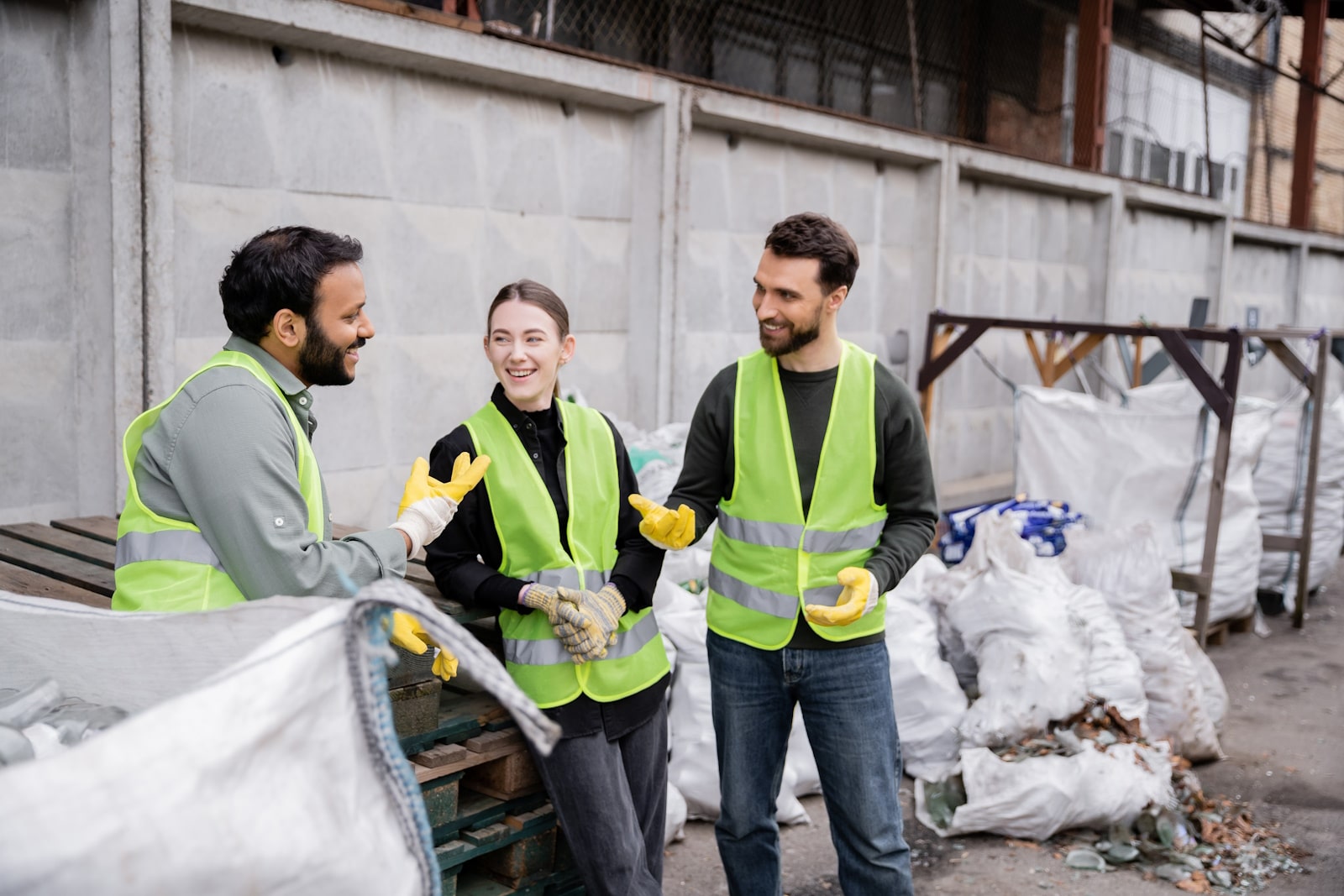
The informal waste sector plays a vital role in recycling and waste collection in South Africa. Many individuals work as waste pickers, collecting valuable materials that would otherwise be discarded. A waste management company in South Africa can integrate these workers into formal systems, providing training, resources, and proper working conditions. This not only improves efficiency but also ensures social equity for workers who are often vulnerable to exploitation.
By formalising these operations, companies can increase recycling rates, improve data tracking, and enhance overall waste management outcomes. Informal sector integration also benefits the environment by ensuring that materials are handled and processed correctly, reducing pollution and promoting sustainability. This collaborative approach demonstrates that social and environmental goals can be achieved together.
6. Innovating with Technology
Technological innovation is transforming the waste management sector. A waste management company in South Africa uses smart systems to optimise collection routes, track waste volumes, and sort materials more efficiently. These tools allow for better resource management, reduced operational costs, and lower carbon emissions. Technology also helps companies meet regulatory requirements and improve reporting accuracy.
Advanced processing techniques, such as automated sorting, digital tracking, and predictive analytics, enable more sustainable practices. These innovations ensure that recyclable materials are maximised, non-recyclables are converted into energy, and hazardous waste is safely managed. By embracing technology, a waste management company in South Africa can tackle growing waste challenges while maintaining a commitment to sustainability.
Sustainable waste management is essential for the health of our environment, communities, and economy. A waste management company in South Africa drives this change through initiatives such as waste-to-energy, recycling, circular economy principles, community engagement, informal sector support, and technological innovation. These efforts not only reduce landfill use and pollution but also promote resource efficiency, job creation, and social equity.
At A-Thermal, we are dedicated to helping businesses and communities adopt sustainable waste management practices. By working together, we can transform waste into a valuable resource and contribute to a cleaner, greener, and more sustainable future. Get in touch with us today to learn how we can help you make a positive environmental impact.