

Top Eco-Friendly Waste Treatment Options
The escalating waste crisis requires innovative approaches that balance environmental sustainability with practical waste management solutions. Eco-friendly waste treatment methods not only minimise the environmental footprint of human activities but also create opportunities for renewable energy generation, resource recovery, and improved soil health. South Africa faces unique challenges in managing municipal waste and waste packaging, making the adoption of sustainable strategies crucial for national environmental policies and local communities. These solutions help conserve natural resources, reduce greenhouse gas emissions, and foster a circular economy.
Implementing comprehensive waste treatment solutions can reduce landfill dependency and improve public health outcomes. These strategies encompass a range of techniques from biological and chemical processes to design innovations in waste packaging. By integrating these methods, industries, municipalities, and households can promote sustainability, turning waste streams into valuable resources while ensuring environmental compliance and economic benefits.
Composting: Transforming Organic Waste into Nutrient-Rich Soil
Composting harnesses the natural decomposition process of organic materials, including food scraps, garden clippings, and biodegradable waste packaging, to produce nutrient-rich soil. This process enhances soil fertility and reduces the need for chemical fertilisers, creating a sustainable option for agriculture, landscaping, and urban gardens. Diverting organic waste from landfills through composting significantly reduces methane emissions, a potent greenhouse gas. Community and municipal programmes can facilitate large-scale composting, providing local economic opportunities while improving soil management.
Beyond environmental benefits, composting contributes to circular economy principles by converting waste packaging that is biodegradable into useful resources. Municipalities in South Africa are increasingly encouraging households and businesses to adopt composting, linking landfill diversion with sustainable soil management and urban green space maintenance. Implementing composting not only reduces environmental impacts but also strengthens local resilience against waste management challenges.
Anaerobic Digestion: Harnessing Biogas from Organic Matter
Anaerobic digestion is a controlled biological process where microorganisms break down organic matter in oxygen-free conditions, producing biogas and nutrient-rich digestate. Biogas can be used to generate electricity, heating, or renewable natural gas, making it an efficient clean energy solution. This method is particularly effective for organic waste and biodegradable waste packaging, providing both waste treatment and energy recovery. Anaerobic digestion plants also stabilise waste materials, reducing odours and potential leachate.
The by-product digestate can be applied as natural fertiliser, enhancing soil health and reducing chemical fertiliser use. South Africa is exploring anaerobic digestion as a strategy for municipal and industrial waste management, aligning with environmental policies and renewable energy targets. Integrating this approach with other eco-friendly methods strengthens circular economy practices, maximising resource recovery while reducing environmental harm.
Recycling: Reprocessing Materials to Conserve Resources
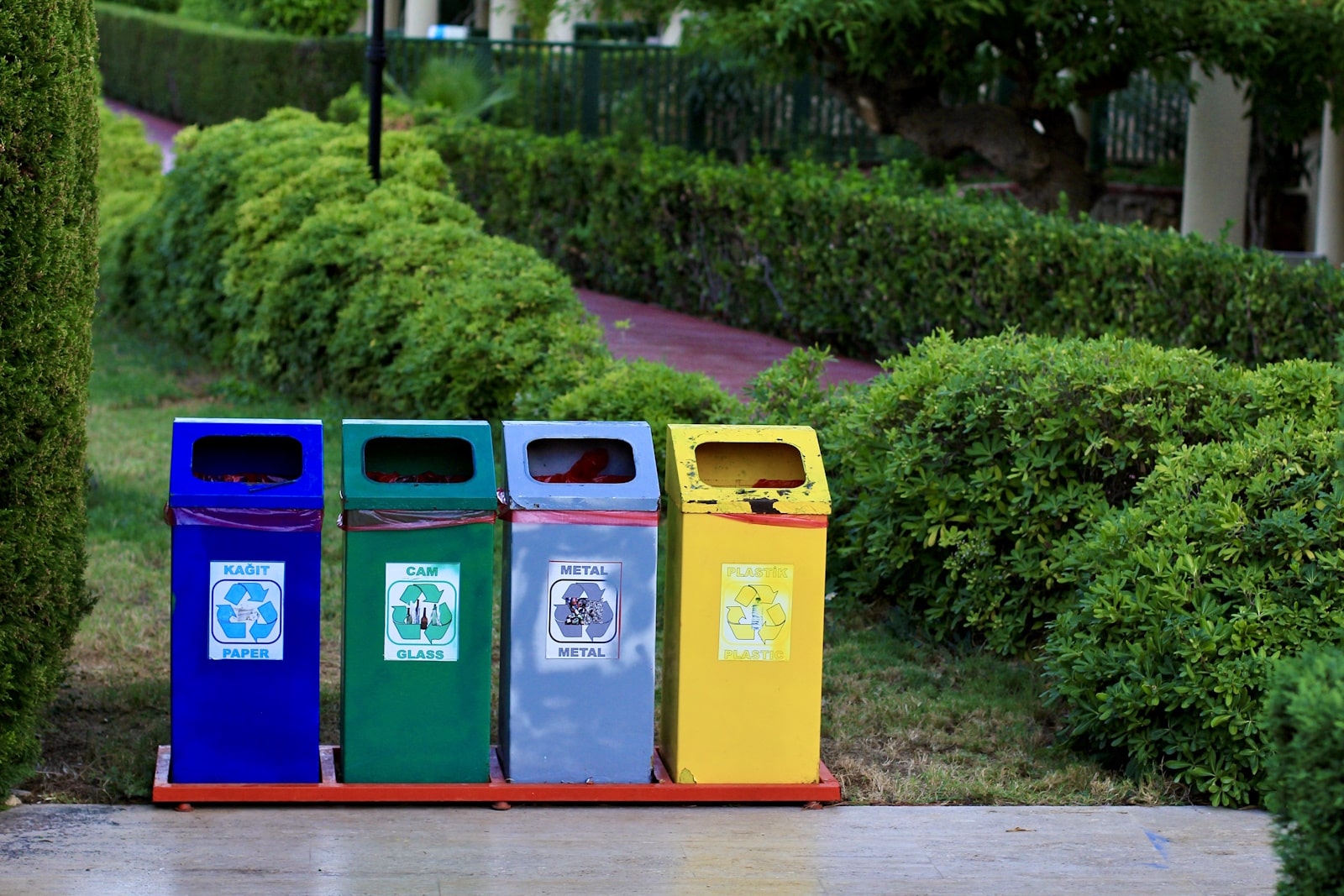
Recycling involves converting paper, plastics, glass, and metals into new products, conserving resources, and reducing energy consumption. Recycling waste packaging keeps valuable materials in circulation and prevents them from ending up in landfills. Effective recycling programs also reduce carbon emissions and encourage responsible consumption habits, making it a cornerstone of sustainable waste management strategies.
In South Africa, promoting recycling infrastructure and public awareness is critical to improving waste packaging management. Efficient collection, sorting, and processing ensure materials are transformed into new products, supporting local industries and reducing environmental impacts. Encouraging circularity through recycling is essential for sustainable resource management, especially in densely populated urban centres.
Waste-to-Energy (WtE): Converting Waste into Renewable Energy
Waste-to-Energy technologies convert non-recyclable waste into electricity or heat through combustion or gasification. This approach reduces landfill volumes and generates renewable energy, turning otherwise unusable waste packaging into a resource. WtE can provide a consistent energy supply while decreasing dependence on fossil fuels and reducing methane emissions from decomposing waste.
South Africa has increasingly considered WtE facilities as part of national energy planning. Integrating these systems supports sustainable waste management goals, reduces landfill stress, and contributes to renewable energy production. WtE complements other eco-friendly strategies, creating a holistic approach to waste packaging and municipal waste management.
Pyrolysis: Thermal Decomposition of Organic Materials
Pyrolysis involves heating organic materials, including certain waste packaging, in the absence of oxygen to produce bio-oil, syngas, and charcoal. It is particularly effective for non-recyclable plastics and biomass, providing an alternative to traditional disposal. Pyrolysis contributes to reducing landfill volumes, generating usable energy, and recovering valuable materials.
By carefully managing pyrolysis systems, South Africa can minimise environmental pollution while addressing waste packaging challenges. The by-products can feed industrial processes or energy production, creating opportunities for circular economy applications and reducing reliance on virgin resources.
Vermiculture: Utilising Worms for Organic Waste Breakdown
Vermiculture uses worms to convert organic waste, including biodegradable waste packaging, into nutrient-rich compost. This process is suitable for small-scale applications, urban agriculture, and community gardens. The compost produced enhances soil fertility, improves plant growth, and helps close the loop on organic waste management.
Integrating vermiculture into municipal and domestic programmes offers a low-cost, effective solution for organic waste and biodegradable waste packaging. This method supports sustainable agriculture and environmental conservation while reducing landfill pressure.
Bioremediation: Using Microorganisms to Detoxify Contaminated Environments
Bioremediation employs microorganisms or plants to break down hazardous contaminants in soil, water, or waste, including certain hazardous waste packaging. This eco-friendly approach detoxifies polluted environments, restores ecosystems, and reduces reliance on chemical treatments. Bioremediation also promotes biodiversity and environmental resilience.
In South Africa, bioremediation is increasingly applied to industrial sites and areas affected by chemical spills, offering a sustainable solution for managing hazardous waste. Leveraging native species and natural processes ensures effective remediation while supporting long-term ecosystem health.
Mechanical-Biological Treatment (MBT): Combining Mechanical Sorting with Biological Processes
Mechanical-Biological Treatment integrates mechanical sorting with biological treatment of waste, including biodegradable waste packaging. MBT separates recyclables and stabilises organic materials, reducing landfill volumes and producing refuse-derived fuel. This method enhances municipal waste management efficiency and maximises material recovery.
MBT facilities offer South Africa an opportunity to handle complex waste streams more sustainably. By combining recycling, composting, and MBT, municipalities can improve resource efficiency and reduce environmental impacts from waste packaging and other solid waste streams.
Sustainable Packaging Design: Minimising Environmental Impact
Sustainable packaging focuses on creating materials that are reusable, recyclable, or biodegradable. Designing for sustainability reduces environmental impacts, limits waste generation, and improves resource efficiency. Implementing sustainable packaging in South Africa supports compliance with national environmental policies and encourages responsible consumption.
Businesses adopting sustainable packaging demonstrate environmental stewardship, reduce landfill pressure, and enhance the recyclability of products. By integrating sustainable packaging strategies with eco-friendly waste treatment methods, South Africa can achieve significant environmental and economic benefits.
Eco-friendly waste treatment options provide essential tools to manage waste sustainably while promoting energy recovery, resource conservation, and environmental protection. Strategies such as composting, anaerobic digestion, recycling, waste-to-energy, pyrolysis, vermiculture, bioremediation, MBT, and sustainable packaging design collectively offer solutions for reducing the environmental footprint of waste packaging.
At A-Thermal, we are committed to helping organisations implement innovative, sustainable waste management solutions. Contact us to learn how we can work with you to manage waste packaging responsibly and achieve your environmental objectives. Together, we can create a cleaner, greener future.