

5 Eco-Friendly Waste Removal Options in South Africa
South Africa’s waste landscape is at a critical juncture. With millions of tonnes of waste generated each year, most of it still ends up in landfills, creating environmental, health, and economic challenges. Yet the country also has enormous opportunities to embrace sustainable alternatives that can transform waste from a liability into a valuable resource. By implementing eco-friendly waste removal options, households, businesses, and communities can support the circular economy, reduce pollution, and preserve natural ecosystems. This shift requires the active participation of individuals, municipalities, and waste management companies in South Africa to ensure systems are accessible, reliable, and effective.
The National Waste Management Strategy emphasises reducing waste to landfill, expanding recycling efforts, and introducing innovative methods of recovery. Alongside government regulation, industry leadership and community adoption are essential. The five approaches below demonstrate how South Africans can take practical steps toward waste reduction and sustainability, with solutions that benefit both the environment and the economy.
1. Recycling Programmes
Recycling is the cornerstone of sustainable waste management and one of the most impactful changes that can be made. By separating plastics, paper, glass, and metals at source, communities reduce landfill pressure and enable materials to be reintroduced into the economy. South Africa has made significant progress in this area, particularly in plastics, with input recycling rates higher than global averages. This is partly due to legislation like Extended Producer Responsibility, which requires producers to take responsibility for post-consumer packaging waste. Effective recycling depends on both infrastructure and participation, making it crucial for households to understand what can be recycled and how.
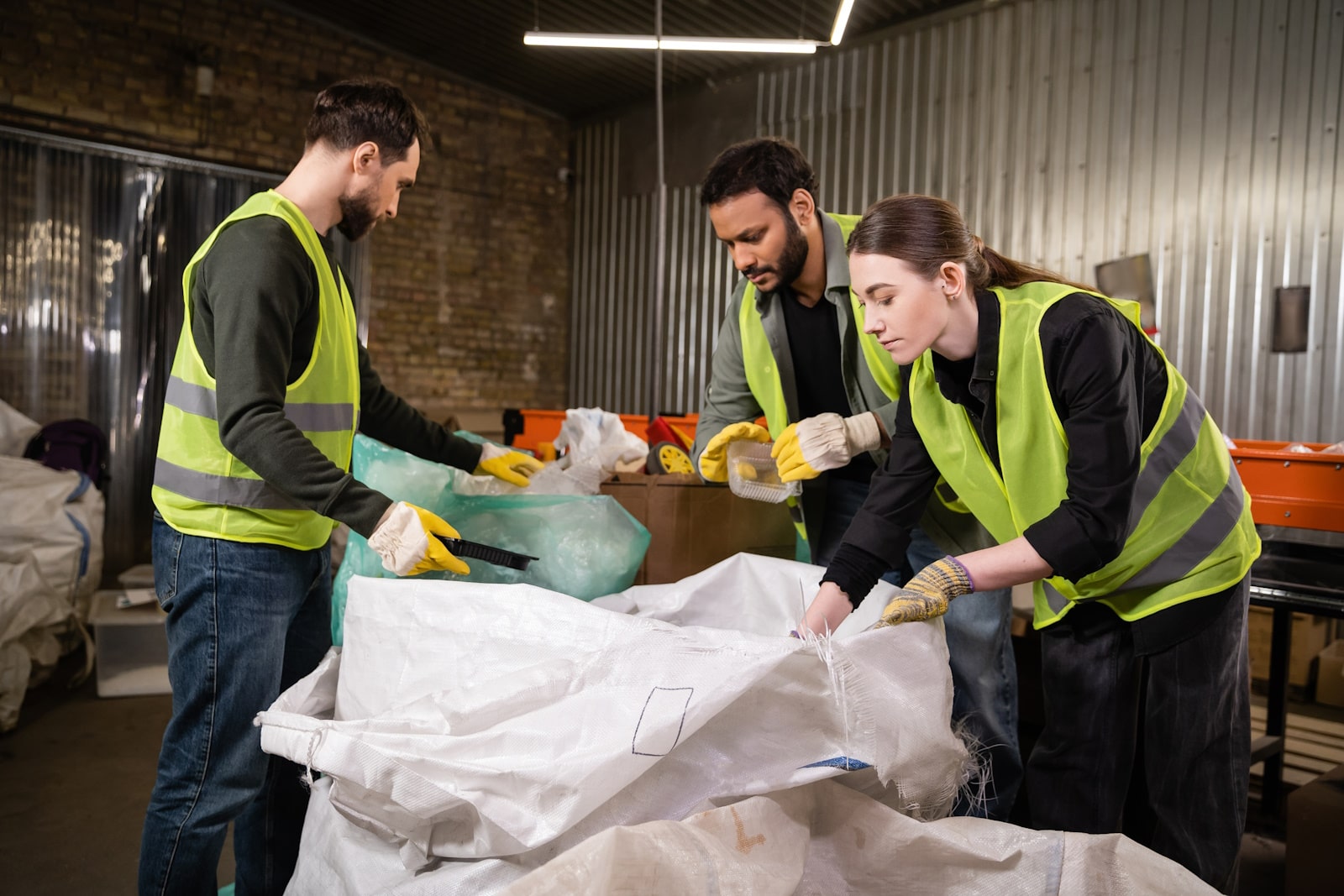
Waste management companies in South Africa are integral to these programmes, offering collection services, operating buy-back centres, and working alongside informal waste pickers. These collectors recover vast amounts of recyclable material, playing an important role in building a circular economy while supporting livelihoods. By working with professional companies that collaborate with the informal sector and comply with government guidelines, businesses and individuals can ensure that their waste is channelled into formal recycling streams instead of being lost to landfill.
2. Composting Food Scraps and Yard Waste
Organic waste is often overlooked despite being one of the largest contributors to landfill volumes. When left to decompose in landfills, food scraps and garden waste release harmful methane gases. Composting transforms this organic material into nutrient-rich soil conditioners, creating a valuable product for gardens, landscaping, and even small-scale agriculture. Households can set up simple backyard compost bins, while communities and schools can build larger compost hubs to process local organic waste. This practice not only reduces disposal costs but also provides a sustainable alternative to chemical fertilisers.
For urban areas, waste management companies in South Africa are increasingly offering compost collection or processing services to handle larger volumes. Some organisations are experimenting with bokashi, vermicomposting, and heat composting systems, turning food waste into valuable soil within weeks. These efforts not only reduce environmental impact but also demonstrate how composting can fit into broader municipal waste strategies. By adopting composting at scale, communities can transform organic waste into a key component of sustainable urban living.
3. E-Waste Disposal
Electronic waste is one of the fastest-growing waste streams globally and poses serious risks if not handled correctly. Old phones, computers, televisions, and batteries contain toxic materials such as lead and mercury, which can leach into the environment if dumped in landfills. At the same time, these items contain valuable components—metals, plastics, and rare earth elements—that can be recovered through proper recycling. Responsible disposal of e-waste ensures environmental protection while unlocking economic potential.
Specialised facilities and programmes are emerging across the country to collect, dismantle, and recycle electronic waste. Waste management companies in South Africa are beginning to partner with municipalities and certified recyclers to provide collection points or organise dedicated drop-off days. This ensures that harmful components are neutralised while reusable materials re-enter the economy. For businesses with high volumes of obsolete electronics, professional e-waste disposal services ensure compliance with environmental regulations and reduce corporate risk.
4. Hazardous Waste Disposal
Households and businesses often generate hazardous waste in the form of batteries, paint tins, fluorescent bulbs, and cleaning chemicals. Improper disposal of these items contaminates soil, pollutes groundwater, and poses significant health risks to communities. Under South African law, hazardous waste must be managed separately, with the National Environmental Management: Waste Act providing a clear framework for safe handling and disposal. Following this legislation is not only environmentally responsible but also a legal requirement for businesses.
Waste management companies in South Africa provide essential hazardous waste services, ensuring that these materials are safely collected, transported, and treated in compliance with national laws. Specialist companies like A-Thermal operate advanced facilities that neutralise or destroy hazardous substances without harming the environment. For households, many municipalities now provide designated drop-off centres or collection days. By using professional services, both individuals and businesses can ensure hazardous materials are dealt with in a way that safeguards public health and the environment.
5. Donation, Reuse, Biodegradable Bags, and Green Junk Removal
Not all waste should be considered waste. Items such as clothing, furniture, and appliances can be donated or reused, extending their life cycle and benefiting those in need. Food waste, too, can be redirected from landfill through donation systems, addressing both waste reduction and food insecurity. In addition, small changes like switching to biodegradable waste bags can make a significant difference. Compostable bags prevent microplastics from entering ecosystems and can be disposed of directly in composting systems.
Green-focused junk removal services are another growing trend. These providers sort items for donation and recycling before sending the remainder to landfill, ensuring maximum recovery of useful materials. Waste management companies in South Africa that follow this model not only reduce environmental impact but also create social benefits by donating usable items to local charities. By choosing service providers that prioritise reuse, offer biodegradable solutions, and sort waste responsibly, households and businesses contribute to a cleaner, more sustainable future.
South Africa’s waste challenges require urgent and innovative solutions, but they also present opportunities for sustainable growth. By recycling, composting, disposing of e-waste and hazardous materials correctly, and supporting reuse, every household and business can contribute to a greener economy. Equally important is the role of waste management companies in South Africa, which are leading efforts to divert waste from landfills, comply with environmental legislation, and introduce new eco-friendly services.
At A-Thermal, we understand the pressing need for sustainable waste solutions. We specialise in safe, compliant waste disposal, with expertise in hazardous materials and environmentally responsible practices. Partner with us to take proactive steps towards sustainability—together, we can reduce waste, protect our environment, and build a cleaner future. Contact us today to see how we can support your waste management needs.