
Worker Safety in Hazardous Medical Disposal Waste
Handling medical disposal waste poses a significant risk to healthcare workers if not managed correctly. Exposure to infectious agents, toxic chemicals, and sharp instruments can lead to serious injuries or illnesses. Protecting staff while maintaining efficient waste management systems requires a robust framework of safety protocols, training, and regulatory compliance. Ensuring worker safety is not just a legal requirement; it’s an essential component of fostering a safe and responsible healthcare environment. Proper handling of medical disposal waste also safeguards patients and the wider community, preventing environmental contamination and the spread of disease.
Healthcare institutions must prioritise the implementation of structured programmes that emphasise both personal protection and procedural compliance. From the moment waste is generated, every step—from segregation to disposal—demands careful attention and adherence to guidelines. By embedding safety as a core organisational value, healthcare facilities can significantly reduce workplace incidents, build staff confidence, and align with South African legal standards for medical waste management.
Personal Protective Equipment (PPE)
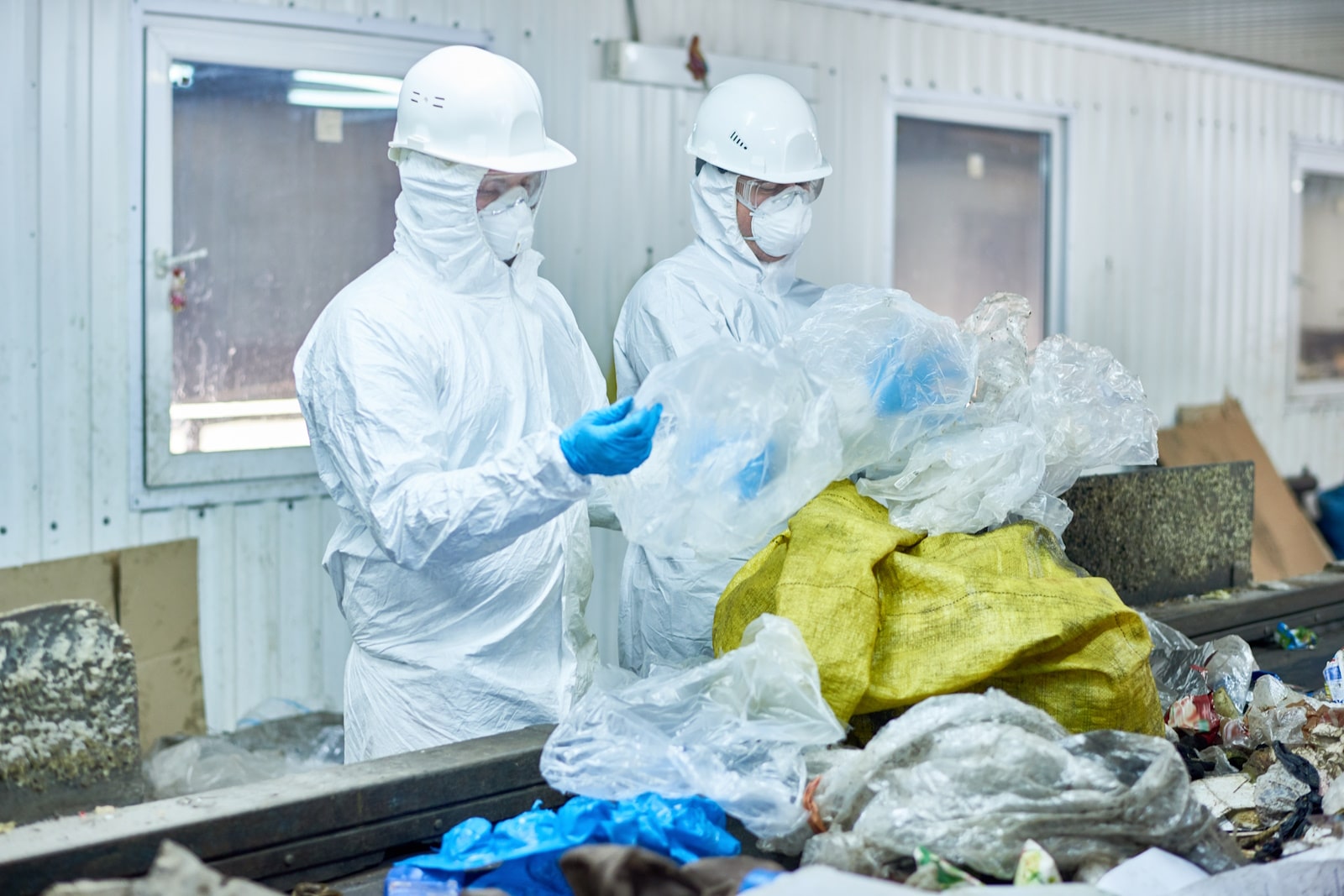
Personal Protective Equipment (PPE) is fundamental in shielding healthcare workers from the dangers of medical disposal waste. Gloves, masks, gowns, and eye protection create barriers against infectious agents, chemical contaminants, and toxic substances. Proper selection, fitting, and disposal of PPE are critical, as compromised or incorrectly used equipment can expose staff to serious hazards. Regular training on PPE use ensures that workers can respond effectively to high-risk situations while maintaining comfort and mobility during long shifts.
Beyond basic usage, PPE protocols must include inspection and maintenance to ensure ongoing effectiveness. Contaminated or damaged PPE can increase the likelihood of exposure, making rigorous adherence to replacement schedules and cleaning standards essential. Healthcare facilities must also ensure sufficient PPE supplies and accessible storage to guarantee readiness at all times. In combination with other safety measures, consistent PPE use significantly mitigates risks associated with medical disposal waste handling.
Training and Education
Continuous staff education is vital for safe medical disposal waste handling. Workers need to understand the hazards, segregation techniques, emergency procedures, and proper disposal methods. Structured training programmes not only build awareness but also reinforce safe behavioural practices in high-risk environments. Regular refresher courses and scenario-based exercises ensure that healthcare personnel remain competent and confident in dealing with potential hazards.
Training should also encompass the evolving regulations and technological advancements in medical waste management. Staff must be aware of new disposal equipment, automated systems, and chemical neutralisation techniques. Education initiatives contribute to a culture of safety where personnel feel empowered to identify hazards, report incidents, and adopt best practices. This knowledge-driven approach is central to protecting both workers and the environment from risks associated with medical disposal waste.
Waste Segregation Practices
Segregation of medical disposal waste is a primary strategy for reducing occupational and environmental risk. Distinguishing between infectious, chemical, sharps, and radioactive waste ensures that each category is treated using the most appropriate and safest method. Colour-coded bins, clear labelling, and strict adherence to segregation protocols prevent cross-contamination and simplify subsequent disposal processes.
Effective segregation requires consistency and oversight. Staff must be trained to recognise waste categories and understand the consequences of improper handling. Mismanagement can lead to serious injuries, contamination, or regulatory penalties. Implementing regular audits and accountability measures encourages compliance and fosters a safety-conscious culture. Clear segregation practices, combined with proper disposal, form the backbone of responsible management of medical disposal waste.
Safe Handling of Sharps
Sharps are one of the most hazardous components of medical disposal waste, including needles, scalpels, and other pointed instruments. To reduce injury risk, sharps must be placed immediately into puncture-resistant containers that are clearly labelled and securely closed. Direct handling of needles or blades should be avoided, and designated disposal routines must be strictly followed to prevent accidental exposure.
Healthcare facilities should also provide ergonomically designed sharps containers and ensure that they are accessible at points of use. Overfilled or improperly sealed containers increase the likelihood of injuries. Combining proper storage, handling, and disposal of sharps with continuous staff training creates a comprehensive safety net for workers managing medical disposal waste.
Decontamination Procedures
Decontamination is essential for maintaining a safe working environment when handling medical disposal waste. Equipment, surfaces, and work areas must be cleaned using validated methods to neutralise pathogens and remove chemical residues. Routine decontamination reduces the risk of cross-infection and ensures that reusable instruments meet hygiene standards before further use.
Workplace policies should specify the frequency, techniques, and chemicals suitable for decontamination. Staff must be trained to follow protocols accurately, including correct dilution, contact times, and disposal of cleaning residues. Integrating thorough decontamination with PPE usage and proper waste segregation forms a multilayered protection system against hazards associated with medical disposal waste.
Incident Reporting Systems
Prompt reporting of injuries, spills, or exposure incidents is critical for timely response and long-term safety improvements. A structured incident reporting system allows healthcare managers to investigate causes, implement corrective actions, and maintain records for regulatory compliance. Staff should be trained to recognise reportable events and to act immediately, minimising risks to themselves and colleagues.
The reporting system also enables trend analysis, helping facilities identify recurring hazards and evaluate the effectiveness of current safety protocols. Coupled with regular audits and feedback, this approach strengthens institutional safety culture and reduces the incidence of accidents associated with medical disposal waste.
Ergonomic Safety
Ergonomic considerations are often overlooked in medical disposal waste handling. Workers frequently lift, move, or process heavy containers, leading to musculoskeletal injuries if proper techniques are not followed. Ergonomic training focuses on correct lifting, posture, and equipment use to prevent strain and long-term injury.
Facilities can further enhance safety by providing adjustable trolleys, lift-assist devices, and designated storage areas. Combining ergonomic strategies with comprehensive staff training reduces injury risk, improves efficiency, and maintains workforce health in medical disposal waste operations.
Vaccination and Health Monitoring
Healthcare workers are often exposed to pathogens present in medical disposal waste, making immunisation and regular health monitoring essential. Vaccination against hepatitis, tetanus, and other relevant infections provides a critical layer of protection. Periodic health check-ups ensure early detection of occupational illness and reinforce preventive measures.
Facilities must establish health surveillance programmes, track immunisation status, and provide access to medical consultations for exposed workers. These measures not only safeguard individual staff but also contribute to overall workplace safety and regulatory compliance for medical disposal waste handling.
Emergency Response Plans
Accidental exposures, chemical spills, or other emergencies require a well-defined response plan. Rapid containment, evacuation, and medical treatment protocols must be clearly communicated to all staff. Drills and scenario-based training help ensure preparedness, reducing response times and limiting health risks.
Emergency plans should include contact details for medical support, clear roles for team members, and post-incident evaluation procedures. Integrating these protocols with PPE use, decontamination procedures, and reporting systems creates a resilient safety framework for managing medical disposal waste.
Regulatory Compliance
Adherence to South African laws, local regulations, and international guidelines is fundamental for safe medical disposal waste handling. Compliance ensures that healthcare facilities meet occupational health standards, protect the environment, and avoid legal penalties. Facilities should regularly review policies and updates to maintain alignment with regulatory expectations.
A culture of compliance also reinforces accountability and ensures that safety protocols are consistently applied. By integrating legal requirements with practical safety measures such as PPE, training, and waste segregation, healthcare facilities can effectively manage risks associated with medical disposal waste.
At A-Thermal, we prioritise safe and responsible management of medical disposal waste. Contact us today to learn how our solutions and expert guidance can help protect your staff, ensure compliance, and maintain a safe working environment. Together, we can create a culture of safety in every healthcare facility.