
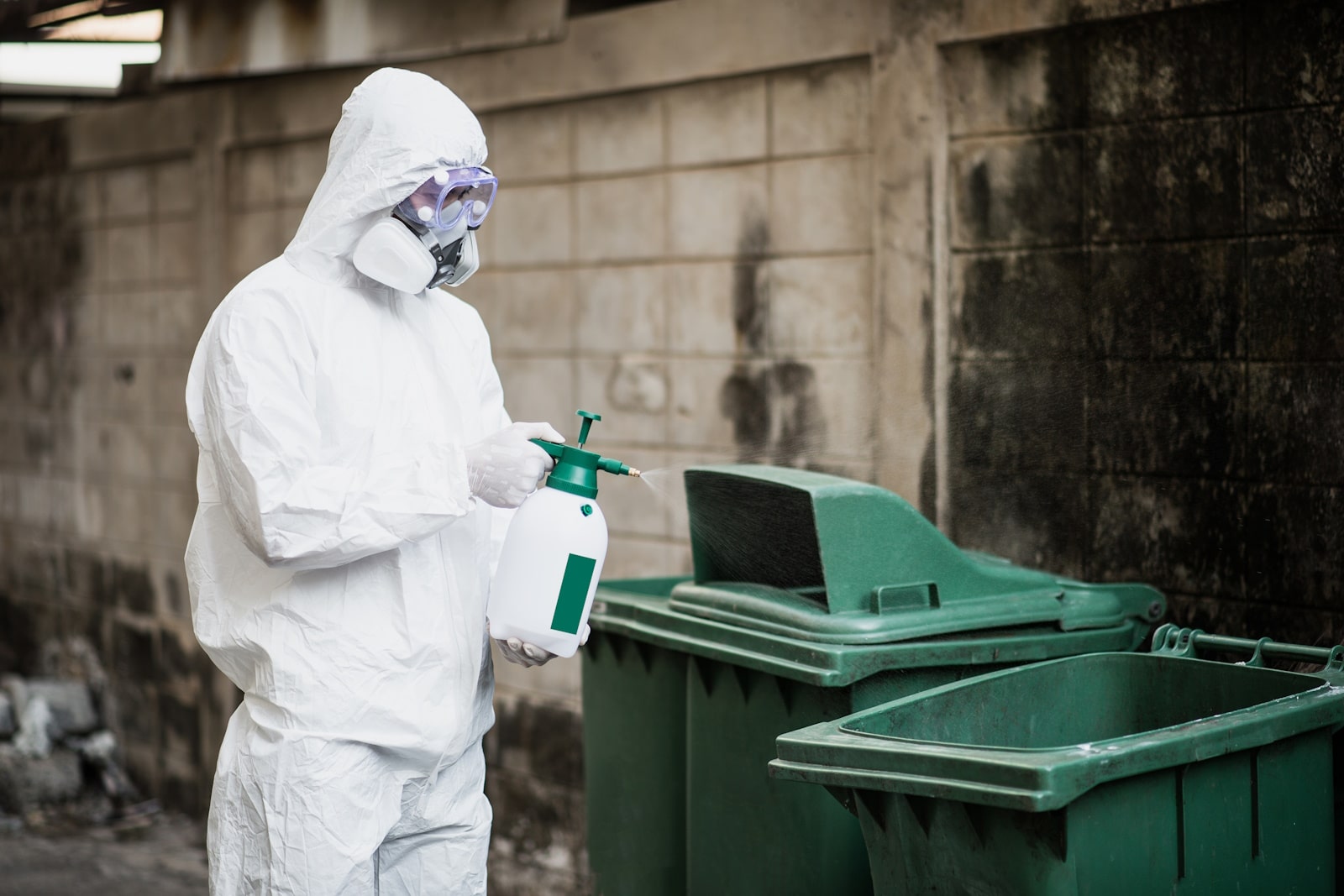
Disposal and Sterilisation of Laboratory Biohazards
Proper disposal and sterilisation of medical and laboratory biohazards is a cornerstone of infection control and environmental safety. Medical waste, including infectious materials, pathological specimens, sharps, pharmaceuticals, and hazardous chemicals, poses serious risks if handled incorrectly. Beyond the immediate threat of disease transmission, improper management can lead to environmental contamination and legal liabilities. Healthcare facilities and a certified medical waste company play a vital role in ensuring that waste is treated and disposed of according to stringent standards, particularly in line with South African legislation. By adopting effective sterilisation techniques, organisations can safeguard staff, patients, and the broader community.
Managing medical and laboratory biohazards requires a structured approach, combining regulatory compliance with operational best practices. The National Environmental Management: Waste Act (No. 59 of 2008) and the Health Care Risk Waste Management Regulations (2013) in South Africa outline obligations for collection, treatment, and disposal of healthcare risk waste. Only registered providers, such as a trusted medical waste company, are authorised to handle these materials, ensuring waste is treated to eliminate pathogens. Hospitals and laboratories must carefully segregate waste at the source, implement internal handling protocols, and rely on proven sterilisation methods to maintain safety and compliance.
Autoclaving: High-Pressure Steam Sterilisation
Autoclaving uses high-pressure saturated steam to destroy bacteria, viruses, fungi, and spores. By subjecting biohazardous waste to temperatures between 121°C and 134°C, autoclaves effectively neutralise pathogens and render materials safe for disposal. This method is especially suitable for sharps, contaminated instruments, and laboratory cultures. The high level of reliability makes autoclaving a preferred option for medical facilities seeking environmentally responsible sterilisation methods, with no toxic residues generated in the process.
For a medical waste company, autoclaving ensures that infectious waste is treated before disposal, reducing the risk of occupational exposure or community contamination. Facilities must maintain operational standards, including regular monitoring of temperature, pressure, and cycle duration, to guarantee consistent sterilisation. Proper training for personnel is critical, as the equipment is high-pressure and requires careful handling. By combining autoclaving with secure waste transport and storage, a medical waste company can provide a comprehensive solution for healthcare providers.
Chemical Disinfection: Neutralising Infectious Agents
Chemical disinfectants, such as bleach (sodium hypochlorite) and alcohol, are widely used for the rapid neutralisation of pathogens. Disinfection is particularly important for surfaces, instruments, and non-incinerable liquid waste. Applying the correct concentration and contact time is essential to ensure that bacteria, viruses, and fungi are effectively inactivated. For liquid biohazardous waste, chemical treatment often precedes other sterilisation or disposal steps.
A professional medical waste company integrates chemical disinfection into standard protocols to prevent the spread of infections during storage, transport, or handling. Staff must be trained in safe usage and disposal of disinfectants, as improper handling can pose health risks or environmental hazards. Chemical disinfection complements physical sterilisation methods, forming a layered approach to biohazard management. This dual strategy ensures regulatory compliance and reinforces confidence in safe waste handling practices.
Incineration: High-Temperature Combustion
Incineration involves the complete combustion of medical waste at temperatures typically ranging from 800°C to 1000°C. This process destroys pathogens, reduces waste volume, and ensures the safe disposal of pharmaceutical, pathological, and highly infectious materials. Modern incinerators are equipped with emission controls to minimise air pollution while maintaining compliance with environmental regulations.
For a medical waste company, incineration provides a dependable method for eliminating hazardous waste that cannot be safely treated by other means. Incinerators require skilled operation and adherence to legal permits, particularly under South African regulations, which dictate operational temperatures and treatment times. The combination of incineration with upstream segregation and containment guarantees that healthcare facilities meet safety standards while reducing environmental impact.
Microwave Sterilisation: Emerging Technology
Microwave sterilisation uses controlled microwave energy to heat biohazardous materials, effectively destroying pathogens. This method has gained traction for its efficiency, rapid processing times, and lower environmental footprint compared to incineration. Microwave systems are designed for sealed environments, preventing exposure to contaminants and enabling the safe treatment of infectious waste.
A medical waste company may deploy microwave sterilisation to treat liquid, semi-solid, or mixed waste streams. The technology is particularly suited to facilities with high volumes of infectious waste requiring rapid turnaround. While initial investment costs are higher, microwave sterilisation provides an energy-efficient, eco-friendly alternative to traditional methods. Staff training and routine maintenance are essential to maintain consistent sterilisation outcomes.
Encapsulation and Solidification: Immobilising Hazardous Waste
Encapsulation involves stabilising hazardous waste in a solid matrix, such as cement or polymer. This method prevents liquid or semi-solid waste from leaking, containing toxins and pathogens securely for storage or landfilling. Encapsulation is particularly useful for chemical, pharmaceutical, and low-volume infectious waste streams that cannot be treated via traditional thermal methods.
A professional medical waste company often combines encapsulation with other sterilisation techniques, such as chemical treatment, to ensure biohazardous properties are neutralised before disposal. Proper containment reduces the risk of environmental contamination and allows compliance with South African waste management policies. This approach is critical for facilities handling complex or mixed waste streams, providing an added layer of safety.
Plasma and Ozone Treatment: Advanced Sterilisation
Plasma and ozone treatment are innovative methods for inactivating pathogens using ionised gases or ozone. These techniques are highly effective against a broad spectrum of microorganisms and generate minimal secondary waste. Plasma treatment is particularly useful for specialized laboratory waste, while ozone gas can be applied for certain high-risk or pharmaceutical materials.
For a medical waste company, these advanced treatments offer environmentally responsible options that meet modern biohazard management demands. They require specialised equipment, skilled operation, and integration with existing waste handling protocols. By incorporating plasma or ozone sterilisation, a medical waste company can provide clients with cutting-edge solutions aligned with sustainability goals.
Sharps and Needle Management
Sharps, including needles, scalpels, and broken glass, present a unique risk of injury and infection. Proper management involves using puncture-proof containers and disposing of sharps through autoclaving or incineration. Immediate containment at the point of use is critical to prevent accidental exposure among staff and waste handlers.
A medical waste company ensures that sharps are collected, transported, and treated according to strict safety guidelines. Regular training in sharps handling, along with the use of compliant containment solutions, reduces occupational hazards. By maintaining rigorous procedures, a medical waste company protects healthcare staff, waste handlers, and the public while meeting regulatory standards.
Safe disposal and sterilisation of medical and laboratory biohazards is fundamental to public health and environmental protection. Employing methods such as autoclaving, chemical disinfection, incineration, microwave sterilisation, encapsulation, plasma and ozone treatment, and rigorous sharps management ensures pathogens are effectively neutralised. Partnering with a reliable medical waste company allows healthcare facilities to maintain compliance with South African regulations, safeguard staff and patients, and reduce ecological impact.
At A-Thermal, we specialise in comprehensive, safe, and compliant medical waste management. Contact us today to explore how we can help your facility manage biohazardous waste efficiently, responsibly, and in accordance with the highest standards.