

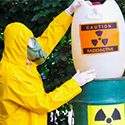


Compliance in Medical Disposal Waste Management
Poorly managed medical disposal waste poses serious health and environmental risks. From infectious sharps to pharmaceutical residues, every aspect of healthcare waste must be handled according to strict regulatory protocols. Yet even as awareness of these risks grows, facilities in both developed and developing nations continue to face hurdles in achieving consistent compliance. In South Africa, where both public and private sectors are under pressure to reduce harm and increase transparency, gaps in enforcement, technology, and training remain prominent.
Medical disposal waste has grown in complexity since the COVID-19 pandemic, with increased volumes and more stringent safety expectations. Navigating this ever-evolving landscape requires understanding not only the rules but also the systemic challenges that prevent healthcare providers from adhering to them. From inconsistent regulations across regions to institutional inertia, the barriers are multifaceted—and overcoming them will require unified action and innovative solutions.
Varying Standards Across Regions
Inconsistency in how medical disposal waste is defined and regulated continues to create confusion across jurisdictions. Globally, healthcare waste standards vary greatly, with some countries prioritising incineration while others mandate non-burn alternatives. Even within a single country like South Africa, different provinces interpret and enforce the National Environmental Management: Waste Act and the Gauteng Health Care Waste Management Regulations differently. This fragmentation makes it difficult for national operators to comply consistently and increases the risk of accidental non-compliance.
For multinational organisations or cross-provincial medical groups, regulatory discrepancies can lead to process misalignment and costly audits. Without clear, harmonised standards, it becomes difficult to build unified training programmes, standard operating procedures, or waste categorisation systems. A single misinterpretation—such as incorrect classification of pathological waste—can lead to severe legal and environmental consequences.
Lack of Enforcement
Laws and policies governing medical disposal waste are only as effective as their enforcement mechanisms. Across many regions, oversight remains inconsistent due to limited resources, staff shortages, and prioritisation of other health system demands. In South Africa, some licensed treatment facilities report capacity overloads, which contributes to delays, bottlenecks, and—occasionally—improper handling or unauthorised dumping.
Where enforcement is weak, compliance efforts suffer. Facilities may take shortcuts, delay reporting, or use non-certified service providers. Without regular inspections, even those with well-intentioned waste management plans can fall into non-compliance. A lack of visible accountability erodes trust in the system and enables bad actors to continue harmful practices without consequence. Strengthening enforcement is essential for upholding the integrity of medical disposal waste regulations and for protecting communities from hazardous exposure.
Inadequate Staff Training
A well-informed workforce is vital to compliant medical disposal waste management, yet healthcare staff are frequently undertrained in best practices. Many workers, particularly in high-pressure clinical environments, are unsure of proper segregation techniques, waste classifications, or documentation procedures. In South Africa, despite existing regulatory frameworks requiring training, audits have revealed that implementation is uneven across facilities and seldom refreshed.
This knowledge gap leads to serious compliance risks. Untrained staff may discard cytotoxic waste in general waste bins or fail to correctly label hazardous containers. Beyond legal implications, this can expose workers and patients to infection, chemical burns, or long-term health effects. Continuous, practical training programmes—not just theoretical compliance documents—are essential to reduce these risks and ensure safe, efficient disposal at every level of the healthcare system.
Cost of Compliance
The financial burden associated with compliant medical disposal waste practices remains one of the most persistent challenges, especially for smaller clinics and rural facilities. High-end autoclaves, sealed transport containers, on-site storage infrastructure, and licensing fees for approved disposal partners can create barriers to access. When faced with budget constraints, facilities may be tempted to bypass approved processes in favour of cheaper, non-compliant methods.
In South Africa’s public sector, competing priorities like patient care, staffing and medicine procurement often overshadow waste management funding. Yet non-compliance can incur greater long-term costs, including environmental remediation, legal penalties, or reputational damage. To bridge this gap, healthcare systems need financial support mechanisms such as subsidies, grants, or shared treatment hubs—especially in under-resourced communities where cost remains the most significant compliance hurdle.
Improper Segregation of Waste
Segregating medical disposal waste at its source is the cornerstone of safe handling, yet many facilities fall short. Proper segregation requires categorising waste streams—such as sharps, infectious materials, pharmaceutical residues, and general non-hazardous waste—into colour-coded containers and storing them in line with health and safety regulations. However, research shows high rates of misclassification, with non-hazardous waste frequently mixed with regulated medical waste.
This practice not only inflates disposal costs, since more waste is treated as hazardous than necessary, but also increases the risk of injury or contamination during handling. Overfilled sharps containers, incorrectly labelled bags, or mixing of food waste with clinical waste can expose waste handlers and transporters to preventable harm. Implementing a culture of accountability, supported by regular waste audits and visual training aids, can drastically improve segregation performance and lower risk.
Documentation Gaps
Accurate documentation is a legal and ethical requirement in the handling of medical disposal waste. From waste manifests and storage logs to transport records and treatment certificates, proper paperwork enables traceability and accountability throughout the disposal process. Unfortunately, many facilities lack a consistent documentation framework or fail to update it regularly.
In South Africa, many healthcare sites still rely on manual or fragmented systems, making it difficult to ensure a complete audit trail. This opens the door to falsified records, lost data, or accidental breaches of compliance. A robust digital tracking system, integrated with facility operations, not only helps maintain compliance but also provides data for process improvement and regulatory reporting. Ensuring the integrity of documentation is as critical as the physical disposal process itself.
Technological Limitations
Outdated technology is a major obstacle to effective medical disposal waste management. Many healthcare facilities still use legacy incinerators with limited emissions control or autoclaves that fail to meet modern sterilisation standards. While innovative technologies such as microwave disinfection, plasma gasification, and chemical neutralisation are now available, adoption has been slow due to capital costs, limited training, and infrastructure needs.
In South Africa, urban centres are more likely to access newer waste treatment technologies, while rural hospitals and clinics often rely on basic or outdated methods. The result is a two-tiered system where compliance is easier to achieve in some areas than others. Investment in scalable, affordable technology—supported by public-private partnerships and incentives—can make advanced disposal solutions more accessible across the healthcare ecosystem.
Resistance to Change
Cultural and institutional resistance often delays the implementation of improved medical disposal waste practices. Many facilities stick to outdated protocols or resist investing in new systems due to a fear of disruption or uncertainty about regulatory changes. Without clear incentives or external pressure, some healthcare leaders deprioritise waste compliance in favour of other short-term operational concerns.
Yet the risks of inaction are too great to ignore. Improper waste handling not only violates the law but endangers the health of patients, staff, and surrounding communities. To foster a shift in mindset, leadership must be engaged in compliance strategy from the outset. Internal champions, aligned incentives, and strong governance frameworks are necessary to ensure waste management becomes a permanent and prioritised part of organisational culture.
Lack of Public Awareness
Public awareness is a powerful driver of institutional accountability, yet most communities remain unaware of the dangers posed by improper medical disposal waste. Without understanding how waste impacts their health, environment, or water sources, citizens are less likely to demand action or report violations. This leaves compliance as an internal issue, with limited external scrutiny or support.
In South Africa, efforts to educate the public on environmental and health hazards from healthcare waste have been sporadic. Strengthening outreach campaigns, community partnerships, and patient education initiatives can empower citizens to act as watchdogs. Informed communities can put pressure on both public and private facilities to uphold safe, compliant practices, ultimately creating a more transparent and responsible healthcare system.
At A-Thermal, we understand the complexity of managing medical disposal waste in line with current regulations and best practice. Our services are designed to address every challenge—from proper segregation and staff training to certified transportation and state-of-the-art treatment solutions. We are committed to helping facilities meet their compliance obligations while improving operational efficiency and environmental performance.
If your healthcare facility is facing challenges in compliance, technology, or documentation, reach out to us. We can provide tailored, expert solutions to ensure your medical disposal waste is handled lawfully, safely, and sustainably. Let us partner with you to raise your compliance standards and protect your community.